Friday, June 9, 2023

Welcome to Macedonia

 Welcome to Macedonia 

Macedonia is a historical and geographical region located in southeastern Europe. It encompasses parts of several modern-day countries, including Greece, North Macedonia, Bulgaria, and Albania. The region holds great historical significance and has been inhabited since ancient times. Ancient Macedonia was a kingdom in the northeastern part of the Greek peninsula. It reached its height under the reign of Philip II and his son Alexander the Great in the 4th century BCE. Alexander the Great's conquests expanded the kingdom's influence and created one of the largest empires in history, stretching from Greece to Egypt and as far east as India. In modern times, the region of Macedonia has been a subject of political disputes. The area known as North Macedonia was part of the former Socialist Federal Republic of Yugoslavia and declared independence in 1991. However, Greece objected to the country's use of the name "Macedonia," as it also has a region called Macedonia. This dispute was resolved in 2019 with the signing of the Prespa Agreement, which led to the country being renamed North Macedonia. The Greek region of Macedonia is located in the northern part of the country and is known for its rich history and cultural heritage. It is home to important archaeological sites, such as the ancient city of Aigai, the capital of the ancient Macedonian kingdom. Bulgaria also has a region called Macedonia, which is situated in its southwestern part. It shares borders with Greece and North Macedonia. The Bulgarian part of Macedonia is known for its picturesque landscapes, including the Pirin Mountains and the scenic Lake Ohrid. Albania has a small part of its territory that is historically referred to as Western Macedonia. It lies in the country's western region and shares borders with North Macedonia and Greece. This area is known for its natural beauty, including the stunning Lake Prespa. Each of these regions contributes to the rich history, culture, and diversity associated with the name Macedonia.

Here are the top five places to visit in North Macedonia: 

1. Skopje: Skopje is the capital and largest city of North Macedonia. It is a vibrant and diverse city that offers a mix of rich history, modern architecture, and cultural attractions. Here are some notable places to visit in Skopje: Skopje Fortress (Kale): Overlooking the city, the Skopje Fortress is a medieval fortress that dates back to the 6th century. Explore the ancient walls, towers, and enjoy panoramic views of Skopje and the Vardar River. Stone Bridge: The iconic Stone Bridge is one of Skopje's most recognizable landmarks. It connects the old and new parts of the city and offers a pleasant walk across the Vardar River. The bridge is beautifully illuminated at night. Macedonia Square: Located in the heart of Skopje, Macedonia Square is a bustling central square and a gathering place for locals and visitors. It is dominated by the massive statue of Alexander the Great on horseback, surrounded by fountains and shops. Skopje Old Bazaar: Immerse yourself in the atmosphere of the Skopje Old Bazaar, a lively and historic marketplace. Stroll through its narrow cobblestone streets, explore shops selling traditional crafts, enjoy local cuisine, and visit the centuries-old mosques, hammams, and caravanserais. Mother Teresa Memorial House: Skopje is the birthplace of Mother Teresa, and her Memorial House pays tribute to her life and humanitarian work. The museum showcases her personal items, photographs, and exhibits that highlight her remarkable contributions to the world. Museum of Contemporary Art: For art enthusiasts, the Museum of Contemporary Art is worth a visit. It houses an extensive collection of modern and contemporary artworks by Macedonian and international artists. Millennium Cross: Situated on top of Vodno Mountain, the Millennium Cross is one of the city's symbols. Take a cable car or hike up the mountain to reach the cross and enjoy breathtaking views of Skopje and the surrounding landscape. Skopje City Park: Escape the urban hustle and bustle in Skopje City Park. This green oasis offers walking paths, recreational areas, and a beautiful lake where you can rent a boat. It's an ideal spot for relaxation and enjoying nature. These are just a few highlights, and Skopje has much more to offer, including numerous museums, art galleries, shopping centers, and a vibrant nightlife scene. Exploring the city on foot allows you to discover its hidden gems and experience the unique blend of old and new that characterizes Skopje.


2. Ohrid: Ohrid is a picturesque city located on the shores of Lake Ohrid in southwestern North Macedonia. It is one of the oldest human settlements in Europe and a UNESCO World Heritage site. Here are some of the top attractions and things to do in Ohrid: Ohrid Old Town: Explore the narrow cobblestone streets of Ohrid's Old Town, lined with charming houses, churches, and traditional shops. Visit the Ancient Theatre, which dates back to the Hellenistic period, and enjoy the lively atmosphere of the main square. St. Sophia Cathedral: This Byzantine-era church is a must-visit attraction in Ohrid. Admire its impressive architecture and stunning frescoes that depict biblical scenes. Church of St. John at Kaneo: Perched on a cliff overlooking Lake Ohrid, this medieval church is one of the city's most iconic landmarks. Its picturesque setting and beautiful architecture make it a popular spot for photography. Samuil's Fortress: Visit the ancient fortress located on the hill above Ohrid. Explore the ruins, walk along the fortification walls, and enjoy panoramic views of the city and the lake. Plaošnik Archaeological Site: Discover the remains of an early Christian basilica and an ancient university complex at the Plaošnik archaeological site. It also houses the reconstructed Church of St. Clement of Ohrid, which serves as a cultural and spiritual center. Lake Ohrid: Take a boat ride on the crystal-clear waters of Lake Ohrid and soak in the breathtaking views of the surrounding mountains. You can also swim, sunbathe, or enjoy water sports at the lake's beaches. Bay of Bones Museum: Located near the city, the Bay of Bones Museum is an open-air archaeological complex built on a wooden platform over the lake. It offers a unique insight into the prehistoric settlements of the region. National Ohrid Museum: Delve into the rich history and culture of the region at the National Ohrid Museum. It showcases a wide range of artifacts, including ancient objects, Byzantine icons, and medieval manuscripts. St. Naum Monastery: Take a short trip from Ohrid to visit the St. Naum Monastery, located on the southern shore of Lake Ohrid. Explore the beautiful complex, including the main church, the monastery's museum, and the stunning natural springs nearby. Ohrid Walking Tour: Join a guided walking tour of Ohrid to learn more about the city's history and legends. A knowledgeable guide can provide insights into the architecture, culture, and stories behind the city's landmarks. These attractions and activities offer a glimpse into the rich cultural and natural heritage of Ohrid. The city's combination of historical sites, stunning landscapes, and the serene beauty of Lake Ohrid makes it a popular destination for travelers.


3. Matka Canyon: Matka Canyon is a stunning natural gem located just outside Skopje, the capital city of North Macedonia. It is a popular destination for outdoor enthusiasts, nature lovers, and those seeking a peaceful retreat. Here's what you can experience in Matka Canyon: Boat Ride: Take a boat ride on the emerald green waters of Matka Lake, surrounded by towering cliffs and lush vegetation. The boat tour allows you to explore the canyon's narrow passages and discover hidden caves, such as Vrelo Cave, one of Matka's main attractions. Vrelo Cave: Known as one of the deepest underwater caves in Europe, Vrelo Cave is a fascinating natural wonder. Join a guided tour and venture into the cave to admire its mesmerizing stalactite formations and the crystal-clear waters that flow through it. Hiking and Rock Climbing: Matka Canyon offers numerous hiking trails, ranging from easy walks along the lake to more challenging routes that lead to panoramic viewpoints. The area is also popular for rock climbing, with routes suitable for both beginners and experienced climbers. Monasteries and Churches: Explore the canyon's spiritual side by visiting the monasteries and churches scattered throughout the area. St. Andrew's Monastery, located on a cliff above the lake, and the Church of St. Nicholas Shishovski are among the notable sites to visit. Outdoor Activities: Matka Canyon provides opportunities for various outdoor activities. You can rent a kayak or a paddleboard and navigate the tranquil waters of the lake, go fishing, or enjoy a picnic amidst the beautiful scenery. Wildlife and Nature: Matka Canyon is home to diverse flora and fauna, making it an ideal spot for nature enthusiasts. Keep an eye out for various bird species, such as falcons and eagles, and take in the beauty of the surrounding cliffs and forests. Photography: With its breathtaking landscapes, unique rock formations, and picturesque reflections on the lake, Matka Canyon offers ample opportunities for photographers to capture stunning shots. Whether you prefer a relaxing boat ride, an adventurous hike, or simply immersing yourself in the tranquil beauty of nature, Matka Canyon provides an unforgettable experience. It's a perfect day trip from Skopje for nature lovers and outdoor enthusiasts seeking a break from the city's hustle and bustle.


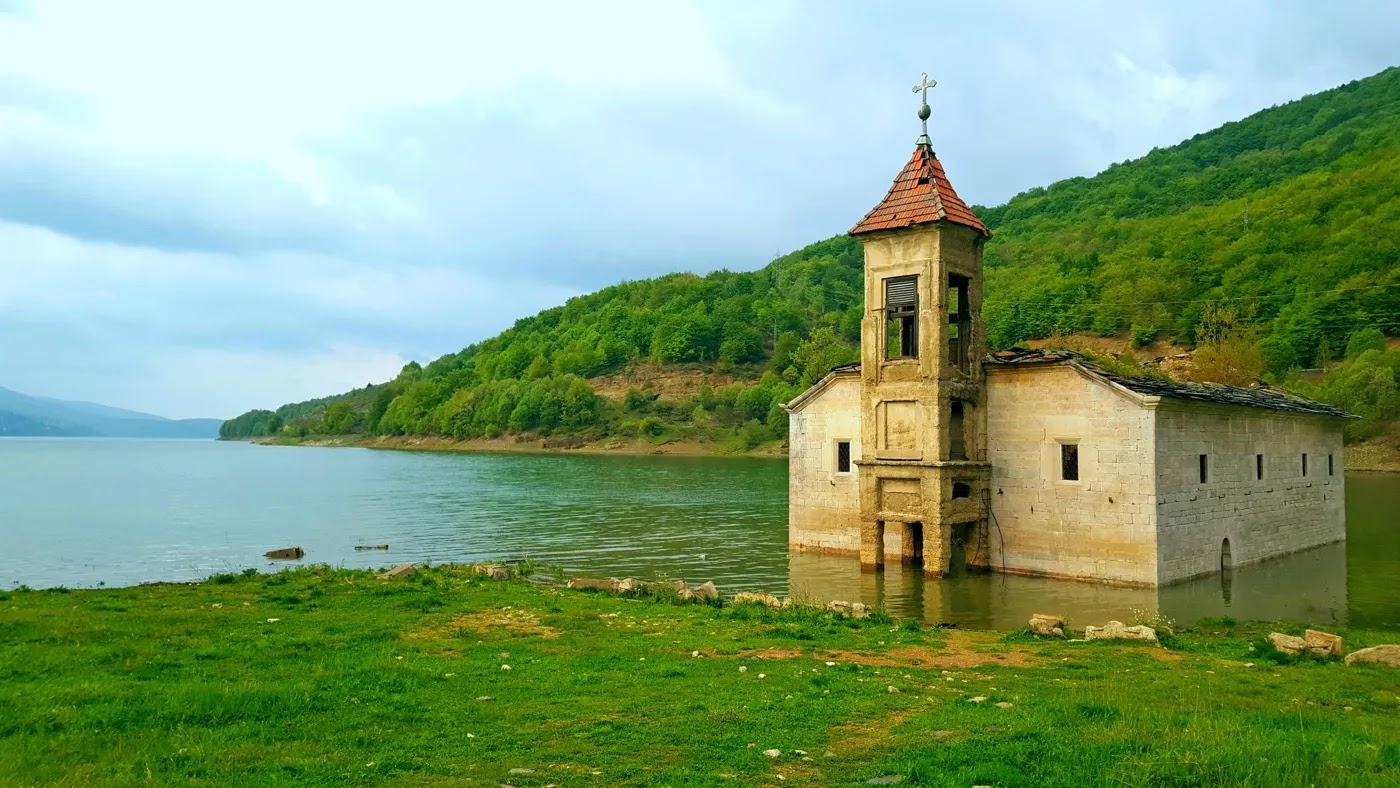
4. Mavrovo National Park: Mavrovo National Park is a vast and stunning nature reserve located in the western part of North Macedonia. It is known for its diverse landscapes, including majestic mountains, dense forests, crystal-clear lakes, and picturesque valleys. Here's what you can explore and enjoy in Mavrovo National Park: Outdoor Activities: Mavrovo National Park offers a wide range of outdoor activities for nature lovers and adventure enthusiasts. Hiking is a popular choice, with numerous trails of varying difficulty levels, allowing you to explore the park's pristine wilderness and enjoy panoramic views. You can also go mountain biking, rock climbing, and horseback riding in designated areas. Mavrovo Lake: The centerpiece of the park is the stunning Mavrovo Lake. Surrounded by mountains, it offers a serene atmosphere and picturesque scenery. You can rent a kayak, paddleboard, or rowboat to explore the lake, swim in its clear waters, or simply relax on its shores. Skiing and Winter Sports: Mavrovo National Park is a renowned winter sports destination. During the winter season, the park's ski resort, Mavrovo Ski Center, attracts skiers and snowboarders with its well-groomed slopes and modern facilities. It's a great place to enjoy winter sports or take lessons if you're a beginner. Wildlife Watching: The park is home to a diverse array of wildlife, including brown bears, wolves, lynx, chamois, and various bird species. Wildlife enthusiasts can embark on guided tours or explore the park's trails to spot and observe these fascinating creatures in their natural habitat. Fishing: Fishing enthusiasts can try their luck in the park's rivers and lakes, including Mavrovo Lake, where you can find species like trout and carp. Fishing permits are required, and it's important to follow regulations and guidelines to preserve the park's ecosystem. Cultural Heritage: Mavrovo National Park is not only about nature; it also holds cultural and historical significance. Explore the traditional villages within the park, such as Galichnik, and witness the local architecture, customs, and way of life. Visit the monasteries and churches in the area, such as St. Jovan Bigorski Monastery, known for its exquisite wood-carved iconostasis. Nature Photography: With its breathtaking landscapes, diverse flora, and fauna, Mavrovo National Park provides ample opportunities for nature photography. Capture the beauty of the mountains, forests, lakes, and the wildlife that inhabits the area. Mavrovo National Park is a haven for outdoor enthusiasts and nature lovers, offering a combination of natural beauty, adventure, and tranquility. Whether you visit during the summer or winter, the park promises unforgettable experiences and a chance to connect with the pristine wilderness of North Macedonia. 

5. Bitola: Bitola is a historic city located in southwestern North Macedonia. It is known for its rich history, cultural heritage, and charming atmosphere. Here are some highlights and attractions to explore in Bitola: Shirok Sokak: Start your visit by strolling along Shirok Sokak, the city's main pedestrian street. Lined with cafes, shops, and beautiful neoclassical buildings, it offers a vibrant atmosphere and a chance to soak in the local culture. Bitola Clock Tower: Visit the iconic Bitola Clock Tower, one of the city's symbols. Climb to the top for panoramic views of Bitola and its surroundings. Heraclea Lyncestis: Just outside the city, explore the ancient ruins of Heraclea Lyncestis. This archaeological site reveals the remains of an ancient Macedonian city with well-preserved mosaics, a theater, and Roman baths. Take a guided tour to learn about the history and significance of this ancient city. Bitola Old Bazaar: Discover the charm of the Bitola Old Bazaar, a historic marketplace that has been a bustling hub for centuries. Explore the narrow cobblestone streets, visit the shops selling traditional crafts and local products, and enjoy a traditional meal in one of the local restaurants. Church of St. Demetrius: Admire the impressive Church of St. Demetrius, a beautiful Orthodox church with striking architecture and elaborate interior decoration. It is one of the city's main religious landmarks. Yeni Mosque: Visit the Yeni Mosque, an Ottoman-era mosque that showcases beautiful Islamic architecture. It is an important cultural and historical monument in Bitola. Bitola City Park: Take a break from sightseeing and relax in the peaceful Bitola City Park. This green oasis offers walking paths, benches, and beautiful landscaping, making it a great place to unwind and enjoy nature. Bitola Museum: Immerse yourself in Bitola's history and culture at the Bitola Museum. Housed in the old Bitola Military Academy building, the museum exhibits artifacts, documents, and displays that shed light on the city's past. Philip II of Macedon Statue: Pay a visit to the statue of Philip II of Macedon, the father of Alexander the Great. The statue is located in the city center and serves as a tribute to Bitola's historical significance. Pelister National Park: If you have more time, consider taking a trip to Pelister National Park, located near Bitola. This pristine natural park is home to Mount Pelister, where you can hike through picturesque trails, enjoy beautiful landscapes, and even spot endemic flora and fauna. Bitola offers a blend of historical landmarks, cultural treasures, and natural beauty, making it a captivating destination to explore in North Macedonia.


Thursday, June 8, 2023

Welcome to Serbia (Land of the South Slavs)

 Welcome to Serbia

Serbia is a country located in Southeast Europe, on the Balkan Peninsula. Its capital and largest city is Belgrade. Here are some key facts about Serbia: Geography: Serbia is landlocked and bordered by eight countries: Hungary to the north, Romania to the northeast, Bulgaria to the east, North Macedonia to the south, Albania to the southwest, Montenegro to the west, Bosnia and Herzegovina to the northwest, and Croatia to the northwest. History: Serbia has a rich and complex history. It was part of the Byzantine Empire, the Ottoman Empire, and the Austro-Hungarian Empire at various times. Serbia played a significant role in the Balkan Wars and World War I. It was part of the former Yugoslavia, which dissolved in the early 1990s, leading to the independence of several successor states, including Serbia. Government and Politics: Serbia is a parliamentary republic with a multi-party system. The President is the head of state, and the Prime Minister is the head of government. The National Assembly is the country's legislative body. Population: Serbia has a population of around 7 million people. The majority of the population is ethnically Serbian, and the official language is Serbian. Other ethnic groups in the country include Hungarians, Bosniaks, Roma, Croats, and Albanians. Economy: Serbia's economy is classified as an upper-middle-income economy. It has a mixed economy with agriculture, manufacturing, services, and information technology sectors. Key industries in Serbia include automotive manufacturing, agriculture, mining, and energy. Culture: Serbian culture is diverse and influenced by its history and geographic location. Traditional Serbian music, folklore, and dance are significant parts of the cultural heritage. Serbian Orthodox Christianity is the predominant religion in the country, with many religious sites and monasteries throughout Serbia. Tourism: Serbia has a growing tourism industry, attracting visitors with its historical sites, natural beauty, and cultural heritage. Popular tourist destinations include Belgrade, Novi Sad, Niš, the Iron Gates (Đerdap) Gorge, Kopaonik National Park, and the monasteries of Fruška Gora, among others. Please let me know if there's anything specific you would like to know about Serbia. 


Serbia offers a variety of attractions for visitors to explore. Here are the top five visited places in Serbia: 

1. Belgrade: Belgrade is the capital and largest city of Serbia, located at the confluence of the Sava and Danube rivers. Here is some additional information about Belgrade: History: Belgrade has a long and eventful history, dating back to ancient times. It has been inhabited since the prehistoric periods and has been ruled by various civilizations, including the Romans, Byzantines, Ottomans, and Austrians. The city has witnessed numerous wars, conquests, and transformations throughout its history. Architecture: Belgrade's architecture reflects its diverse history and influences. The city features a mix of architectural styles, including medieval fortifications, Ottoman-era buildings, charming Art Nouveau structures, and modernist and contemporary designs. The contrast between historical and modern architecture creates a unique cityscape. Cultural Hub: Belgrade is considered a cultural hub in the Balkans, offering a vibrant arts and entertainment scene. The city hosts numerous theaters, art galleries, music festivals, and cultural events throughout the year. It is known for its lively nightlife, with a wide range of clubs, bars, and restaurants that cater to various tastes and preferences. Green Spaces: Despite being a bustling urban center, Belgrade is abundant in green spaces and parks. Kalemegdan Park, located within the Belgrade Fortress, is a popular gathering place with historical monuments, walking paths, and beautiful views of the rivers. Other parks, such as Tasmajdan and Ada Ciganlija, provide recreational opportunities and a relaxing escape from the city's hustle and bustle. Museum Quarter: Belgrade boasts a diverse range of museums that cater to different interests. The Museum of Contemporary Art, Nikola Tesla Museum, Ethnographic Museum, and National Museum are just a few examples of the city's cultural institutions that showcase art, science, history, and ethnography. Floating River Clubs (Splavovi): Belgrade is famous for its floating river clubs located along the banks of the Sava and Danube rivers. These clubs offer a unique nightlife experience, with live music, DJs, and a lively atmosphere. They are especially popular during the summer months when locals and visitors gather to enjoy the vibrant party scene. Shopping and Dining: Belgrade offers a wide range of shopping options, from modern shopping malls to traditional markets and boutiques. Knez Mihailova Street, the city's main pedestrian zone, is lined with shops, cafes, and restaurants. Visitors can explore the street and nearby areas to experience the local cuisine, including Serbian specialties such as grilled meat dishes, burek, and rakija (fruit brandy). Belgrade's rich history, cultural offerings, and vibrant atmosphere make it a captivating destination for travelers seeking a blend of tradition and modernity. 


2. Novi Sad: Novi Sad is the second-largest city in Serbia, located in the northern part of the country. Known for its cultural vibrancy and picturesque surroundings, Novi Sad has much to offer. Here's some information about Novi Sad: Petrovaradin Fortress: The most iconic landmark of Novi Sad is the Petrovaradin Fortress, situated on the right bank of the Danube River. This 18th-century fortress features impressive fortifications, underground tunnels, and stunning views of the city and the river. It is also the venue for the popular EXIT Music Festival, held annually in July. The City Center: Novi Sad's city center is a charming area with pedestrian streets, historical buildings, and a vibrant atmosphere. The main square, Trg Slobode (Freedom Square), is a gathering place with the striking Neo-Renaissance building of the City Hall. Stroll along Zmaj Jovina Street, lined with cafes, shops, and art galleries, and explore the lively Dunavska Street, known for its restaurants and nightlife. The Cathedral of Saint Mary: This magnificent Neo-Gothic cathedral is one of the city's most significant religious landmarks. The Cathedral of Saint Mary (Cathedral of the Holy Name of Mary) features intricate architecture, beautiful stained glass windows, and impressive interior artwork. Danube Park: Situated near the city center, Danube Park (Dunavski Park) offers a peaceful retreat with lush greenery, walking paths, and benches. It is an ideal place to relax, enjoy a picnic, or take a leisurely stroll along the banks of the Danube River. The Museum of Vojvodina: This regional museum showcases the cultural and historical heritage of the Vojvodina region, where Novi Sad is located. The museum houses a vast collection of archaeological artifacts, artworks, traditional costumes, and historical objects that provide insights into the region's diverse history and multicultural heritage. Fruska Gora National Park: Just a short drive from Novi Sad, Fruska Gora National Park offers a picturesque retreat with rolling hills, forests, and Orthodox monasteries. The park is ideal for outdoor activities such as hiking, biking, and exploring the serene monastic complexes. Strand: Novi Sad's popular city beach, called Strand, is situated on the banks of the Danube River. It features sandy shores, swimming areas, sports facilities, and beach bars. During the summer months, it becomes a lively spot where locals and visitors relax, swim, and enjoy various water activities. Novi Sad's combination of cultural heritage, natural beauty, and relaxed atmosphere makes it an attractive destination. The city's festivals, art scene, and friendly ambiance further enhance its appeal.


3. Niš: Niš is a city located in the southern part of Serbia, known for its rich history, cultural heritage, and strategic location. Here is some information about Niš: Historical Significance: Niš has a long and significant history, dating back to Roman times. It was an important crossroads and military stronghold in the Balkans. The city is renowned for its association with the Roman Emperor Constantine the Great, who was born in Niš. The city also played a crucial role during the Ottoman period and the subsequent liberation wars. Niš Fortress: The Niš Fortress is a well-preserved fortress that stands prominently in the city center. Built during the Ottoman era, it showcases a blend of Ottoman and medieval Serbian architectural styles. The fortress is home to various historical sites, including the Turkish hammam, the Skull Tower, and the Archaeological Hall. Skull Tower: The Skull Tower (Ćele Kula) is a unique and somber historical monument located within the Niš Fortress. It was constructed by the Ottomans using the skulls of Serbian rebels who fought against their rule in the early 19th century. Today, it serves as a reminder of the city's turbulent past. Mediana Archaeological Site: Mediana is an ancient Roman archaeological site situated on the outskirts of Niš. It was once a luxurious residence of Emperor Constantine the Great. Visitors can explore the ruins of ancient villas, baths, and mosaics, providing insights into Roman life and architecture. St. Sava Church: St. Sava Church is a Serbian Orthodox church located in the heart of Niš. It is one of the city's most prominent religious landmarks, featuring beautiful frescoes and intricate Byzantine-style architecture. The church serves as an important spiritual and cultural center for the local community. Niška Banja: Niška Banja is a nearby spa town known for its healing thermal waters and wellness facilities. It offers a range of treatments and recreational activities, making it a popular destination for relaxation and rejuvenation. Tinkers Alley (Kazandžijsko sokače): Tinkers Alley is a narrow street in the city center that preserves the traditional atmosphere of old Niš. 


4. Zlatibor: Zlatibor is a popular mountainous region and tourist destination located in western Serbia. Known for its natural beauty, outdoor activities, and serene landscapes, Zlatibor attracts visitors throughout the year. Here's some information about Zlatibor: Location and Geography: Zlatibor is situated in the Dinaric Alps, part of the larger Zlatibor District. It covers an area of about 1,000 square kilometers and is characterized by rolling hills, meadows, dense pine forests, and clear mountain streams. The region's altitude ranges between 800 and 1,500 meters above sea level. Natural Beauty: Zlatibor is renowned for its picturesque landscapes and pristine nature. Visitors can enjoy breathtaking views of the surrounding mountains, including Tornik, the highest peak in the region. The area is dotted with scenic hiking trails, peaceful lakes, and stunning viewpoints, making it ideal for outdoor enthusiasts and nature lovers. Outdoor Activities: Zlatibor offers a wide range of outdoor activities for visitors. Hiking, mountain biking, and horseback riding are popular ways to explore the region's scenic trails. During the winter season, Zlatibor transforms into a ski resort, attracting skiers and snowboarders of all skill levels. Additionally, fishing, paragliding, and Nordic walking are among the activities available in the area. Traditional Culture and Cuisine: Zlatibor is known for its rich cultural heritage and traditional Serbian culture. Visitors can experience the region's authentic folklore, music, and dance performances. The local cuisine features hearty dishes, including grilled meat specialties, traditional dairy products, and homemade bread. Health and Wellness: Zlatibor has become a renowned wellness destination, offering numerous spas, wellness centers, and health resorts. The region's clean mountain air and thermal springs provide opportunities for relaxation, rejuvenation, and various wellness treatments. Ethnic Village "Sirogojno": Situated near Zlatibor, the ethnic village of Sirogojno is a well-preserved open-air museum that showcases traditional Serbian rural architecture, crafts, and culture. Visitors can explore authentic wooden houses, workshops, and exhibitions, providing insights into the local way of life. Excursions and Nearby Attractions: Zlatibor's central location allows for easy access to nearby attractions. Visitors can take day trips to the nearby Uvac River and explore its stunning meanders and impressive wildlife. The Tara National Park, known for its deep canyons and the Drina River, is also within reach. Zlatibor offers a blend of natural beauty, outdoor activities, cultural experiences, and wellness opportunities, making it an attractive destination for those seeking relaxation, adventure, or a connection with Serbian traditions.


5. Subotica: Subotica is a city located in the northern part of Serbia, near the border with Hungary. Known for its stunning architecture, multicultural heritage, and vibrant arts scene, Subotica offers a unique blend of cultural richness and historical charm. Here is some information about Subotica: Art Nouveau Architecture: Subotica is renowned for its remarkable Art Nouveau architecture. The city boasts one of the highest concentrations of Art Nouveau buildings in Europe, with intricate facades, decorative details, and vibrant colors. The most famous examples include the City Hall, the Synagogue, and various residential and commercial buildings. Subotica Synagogue: The Synagogue in Subotica is one of the city's most iconic landmarks and a significant cultural site. Built-in Art Nouveau style, it is one of the largest synagogues in Europe and stands as a testament to the city's multicultural history. Today, it serves as a cultural center and occasionally hosts exhibitions and events. Palić Lake: Located just a few kilometers from Subotica, Palić Lake is a popular tourist destination known for its natural beauty and recreational opportunities. The lake offers sandy beaches, promenades, and water activities such as swimming, boating, and fishing. Visitors can also explore the surrounding park, which features elegant villas and a zoo. Subotica City Hall: The City Hall of Subotica is an architectural gem that showcases a blend of Art Nouveau and Hungarian secession styles. With its impressive facade, intricate details, and prominent tower, the City Hall is a symbol of the city's grandeur and serves as an administrative center. The Great Catholic Church: Also known as the Cathedral of St. Theresa of Avila, the Great Catholic Church is an imposing religious structure in Subotica. This neo-Gothic masterpiece features stunning stained glass windows, intricate sculptures, 


These are just a few of the many attractions Serbia has to offer. The country is rich in history, natural landscapes, and cultural heritage, making it an enticing destination for travelers.

Saturday, June 3, 2023

Welcome to Senegal (The land of the “Teranga)

 Welcome to Senegal

Senegal, officially known as the Republic of Senegal, is a country located on the west coast of Africa. Here are some key details about Senegal: Geography: Senegal is situated in West Africa and shares borders with several countries. It is bordered by Mauritania to the north, Mali to the east, Guinea to the southeast, Guinea-Bissau to the southwest, and The Gambia to the northwest. The country also has a coastline along the Atlantic Ocean. Capital: The capital city of Senegal is Dakar, which is not only the largest city in the country but also serves as its economic and administrative center. Population: As of my knowledge cutoff in September 2021, the estimated population of Senegal was around 17 million people. However, please note that population figures may have changed, and the current population is likely to be higher. Languages: The official language of Senegal is French, which is inherited from the colonial era. However, several regional languages are widely spoken, including Wolof, Serer, Pulaar, Mandinka, and Diola. Wolof is the most widely spoken indigenous language and serves as a lingua franca in urban areas. Religion: Islam is the predominant religion in Senegal, with approximately 95% of the population identifying as Muslim. However, Senegal is known for its religious tolerance and harmony, with various religious communities coexisting peacefully. Economy: Senegal's economy is diverse, with key sectors including agriculture, industry, services, and fishing. Agriculture plays a vital role in the economy, with peanuts, millet, sorghum, and rice being the primary crops. Additionally, Senegal has significant industries in sectors such as petroleum refining, chemicals, textiles, construction materials, and tourism. Culture: Senegal has a rich cultural heritage, with vibrant music, dance, and art scenes. The country is known for its musical genres such as Mbalax, which was popularized by internationally acclaimed musician Youssou N'Dour. Senegalese cuisine is also renowned, with dishes like Thieboudienne (a rice and fish dish) and Yassa (marinated meat or fish with onions and lemon) being popular. Tourism: Senegal has several attractions for tourists. The capital city Dakar offers a mix of modern and traditional attractions, including markets, museums, and historical sites. The Île de Gorée, a UNESCO World Heritage site, is known for its role in the Atlantic slave trade. The country also boasts beautiful beaches, wildlife reserves, and national parks such as Niokolo-Koba National Park and Djoudj National Bird Sanctuary. It's important to note that the information provided above is based on my knowledge cutoff in September 2021, and there may have been some changes or developments since then.

Senegal offers a range of beautiful and culturally significant places to visit. While individual preferences may vary, here are five popular destinations that attract many visitors to Senegal: 

1. Dakar: Dakar is the capital and largest city of Senegal. It is located on the Cape Verde Peninsula on the country's Atlantic coast. Here are some key features and attractions of Dakar: African Renaissance Monument: This impressive bronze statue stands tall on a hill overlooking the city. It symbolizes the rebirth and resurgence of Africa and is one of the iconic landmarks of Dakar. Dakar Grand Mosque: Also known as the Grande Mosquée de Dakar, this mosque is a prominent religious and architectural site in the city. Its minaret offers a panoramic view of Dakar. Dakar Medina: The old quarter of Dakar, known as the Medina, is a bustling neighborhood filled with narrow streets, local markets, and vibrant shops. It's a great place to experience the city's lively atmosphere and indulge in some shopping. Goree Island: Located just off the coast of Dakar, Goree Island is a UNESCO World Heritage site and a powerful reminder of the transatlantic slave trade. The island features historical sites like the House of Slaves, museums, and colorful colonial-era architecture. IFAN Museum of African Arts: The Institut Fondamental d'Afrique Noire (IFAN) Museum is one of Africa's oldest museums. It houses an extensive collection of African art, artifacts, and cultural exhibits, providing insights into the diverse cultures of the continent. Dakar Cathedral: The Cathedral of Our Lady of Victories, also known as Dakar Cathedral, is an impressive Catholic cathedral located in the Plateau district of Dakar. It is an architectural marvel and an important religious landmark. Dakar Corniche: The Corniche refers to the scenic coastal road that stretches along the Atlantic Ocean. It offers breathtaking views of the ocean, beautiful beaches, luxury hotels, restaurants, and recreational areas. Village des Arts: This artistic hub showcases the vibrant contemporary art scene in Dakar. It features galleries, workshops, and studios where local and international artists display their works. Markets: Dakar is known for its bustling markets, such as the Sandaga Market, Kermel Market, and Soumbedioune Fish Market. These markets offer a variety of goods, including traditional crafts, textiles, spices, and fresh produce. Nightlife and Entertainment: Dakar boasts a lively nightlife scene with numerous bars, clubs, and live music venues. The city is known for its vibrant music culture, including genres like Mbalax, Jazz, and Afrobeat. Dakar offers a blend of history, culture, and modernity, making it a fascinating destination for visitors to Senegal.


2. Île de Gorée: Île de Gorée, or Goree Island, is a small island located off the coast of Dakar, the capital city of Senegal. It holds significant historical and cultural importance and is recognized as a UNESCO World Heritage site. Here are some key features and attractions of Île de Gorée: History of the Slave Trade: Île de Gorée is renowned for its historical role in the transatlantic slave trade. The island was a major trading post where African men, women, and children were held captive before being transported to the Americas. The House of Slaves, a former slave holding facility, is now a museum that educates visitors about the brutal realities of the slave trade. Architecture: The island features well-preserved colonial-era architecture, characterized by colorful buildings, narrow cobblestone streets, and picturesque courtyards. The architectural style reflects the island's past as a trading post and European settlement. Museum of the History of Gorée: In addition to the House of Slaves, there is a museum dedicated to the history of Île de Gorée. The Museum of the History of Gorée provides a comprehensive overview of the island's past, including its role in the slave trade, the colonial period, and its cultural heritage. Cultural Events: Île de Gorée hosts various cultural events throughout the year, including music and dance performances, art exhibitions, and festivals. These events showcase the vibrant cultural traditions of Senegal and the island. Scenic Views: Visitors to Île de Gorée can enjoy scenic views of the Atlantic Ocean from different points on the island. The picturesque coastline, with its rocky cliffs and sandy beaches, offers a peaceful and serene atmosphere. Art and Craftwork: The island is home to several artists and artisans who create and sell traditional crafts, artwork, and souvenirs. Visitors can explore art galleries and shops to purchase unique handmade items. Peace and Tranquility: Île de Gorée offers a tranquil and relaxed environment away from the hustle and bustle of Dakar. Its small size and car-free streets contribute to a peaceful atmosphere, making it an ideal place for leisurely walks and quiet contemplation. Culinary Delights: The island has a selection of restaurants and cafes that offer traditional Senegalese cuisine, allowing visitors to savor local dishes while enjoying the island's ambiance. Île de Gorée serves as a reminder of the atrocities of the slave trade and encourages reflection on the shared history of humanity. It attracts visitors from around the world who come to learn about this dark chapter in history and experience the island's unique cultural heritage.


3. Saint-Louis: Saint-Louis is a city located in northern Senegal and is the capital of the Saint-Louis Region. It holds historical significance as the first French settlement in West Africa and served as the capital of French West Africa from 1895 until 1902. Here are some key features and attractions of Saint-Louis: Architecture: Saint-Louis is known for its well-preserved colonial architecture, reflecting its past as a French trading post. The city features colorful buildings, balconies, and ornate facades that showcase a blend of European and local architectural styles. Saint-Louis Island: The historic heart of the city is situated on an island at the mouth of the Senegal River, known as Saint-Louis Island. It is a UNESCO World Heritage site and offers charming streets, lively markets, and beautiful colonial-era buildings. The island's narrow streets are ideal for exploring on foot or by horse-drawn carriage. Faidherbe Bridge: Spanning the Senegal River, the Faidherbe Bridge connects Saint-Louis Island to the mainland. This iconic iron bridge was named after the French Governor Louis Faidherbe and is a prominent landmark of the city. Saint-Louis Jazz Festival: Saint-Louis is renowned for its vibrant music scene and hosts an annual jazz festival. The Saint-Louis Jazz Festival attracts local and international artists, showcasing a diverse range of musical styles and performances. Langue de Barbarie: Located just north of Saint-Louis, Langue de Barbarie is a narrow sand spit that separates the Senegal River from the Atlantic Ocean. It is a natural reserve known for its scenic beauty, sand dunes, and birdwatching opportunities. Historical and Cultural Sites: Saint-Louis is home to several museums and cultural sites that offer insights into the city's history and heritage. The Musée Mermoz, Musée du Sahel, and Musée de Saint-Louis are among the notable institutions where visitors can learn about the region's culture, history, and natural environment. Guet Ndar Fishing Village: Located on the mainland, the Guet Ndar fishing village provides a glimpse into the traditional way of life and the thriving local fishing industry. Visitors can observe fishermen preparing their nets, witness fish auctions, and experience the vibrant atmosphere of the village. Birdwatching: Saint-Louis and its surrounding areas are a paradise for birdwatchers. The nearby Djoudj National Bird Sanctuary, a UNESCO World Heritage site, is one of the most important bird sanctuaries in the world, hosting millions of migratory birds. Saint-Louis offers a unique blend of history, culture, and natural beauty, making it a captivating destination for visitors to Senegal. Its colonial charm, lively music scene, and proximity to natural reserves make it an appealing place to explore and experience the rich cultural heritage of the region.


 4. Sine Saloum Delta: The Sine Saloum Delta is a scenic and ecologically diverse region located in the west of Senegal, between the Saloum River and the Sine River. It is recognized as a UNESCO World Heritage site and is known for its rich biodiversity, mangrove forests, and unique cultural heritage. Here are some key features and attractions of the Sine Saloum Delta: Mangrove Forests: The Sine Saloum Delta is characterized by extensive mangrove forests that provide critical habitats for a wide variety of plant and animal species. These mangroves are essential for the region's ecosystem, acting as nurseries for fish and offering protection against erosion. Delta Exploration: Visitors can explore the delta by taking boat tours or pirogue (traditional wooden canoe) rides through the intricate network of waterways. This allows you to experience the unique landscapes, encounter wildlife, and appreciate the tranquility of the delta. Wildlife Viewing: The delta is home to a diverse range of wildlife, including numerous bird species, such as flamingos, pelicans, herons, and various migratory birds. Crocodiles, monkeys, manatees, and other animals can also be spotted in the region. Birdwatching enthusiasts will particularly enjoy the abundance of birdlife in the delta. Fishing Communities: The Sine Saloum Delta is inhabited by local fishing communities that rely on the river and mangrove ecosystems for their livelihoods. Visitors can learn about traditional fishing techniques, witness the daily activities of fishermen, and even try their hand at fishing. Shell Island (Île aux Coquillages): Shell Island is a small island in the Sine Saloum Delta, named for its abundance of seashells. It offers pristine beaches, crystal-clear waters, and an opportunity to relax and enjoy the natural beauty of the surroundings. Cultural Heritage: The delta region is also rich in cultural heritage, with several ethnic groups living in the area, including the Serer and Wolof communities. Visitors can immerse themselves in the local culture, participate in traditional ceremonies, and interact with the friendly locals. Community Tourism: The Sine Saloum Delta has embraced community-based tourism initiatives, allowing visitors to stay in eco-lodges or guesthouses run by local communities. This type of tourism supports sustainable development and provides an authentic cultural experience while contributing to the local economy. Delta Islands: The delta is dotted with numerous islands, each with its own unique charm and characteristics. From serene and secluded islands to bustling ones with fishing villages, exploring these islands offers a glimpse into the daily life and traditions of the delta's inhabitants. The Sine Saloum Delta offers a serene and picturesque environment, where visitors can appreciate the beauty of nature, observe wildlife, engage with local communities, and learn about the region's cultural heritage. It is a haven for nature lovers, photographers, and those seeking a peaceful escape from urban life.

5 Casamance: Casamance is a region in southern Senegal known for its stunning natural beauty, vibrant culture, and distinct identity. It is geographically separated from the rest of Senegal by The Gambia. Here are some key features and attractions of Casamance: Ziguinchor: Ziguinchor is the largest city and regional capital of Casamance. It serves as a gateway to the region and offers a blend of colonial and African architectural styles. The city has a bustling market, vibrant nightlife, and is a great starting point for exploring Casamance. Casamance River: The Casamance River is the lifeline of the region, providing scenic beauty and playing a vital role in the local economy. Boat trips along the river allow visitors to witness picturesque landscapes, lush mangroves, and traditional fishing villages. Beaches: Casamance boasts beautiful, unspoiled beaches along its coastline. The beach town of Cap Skirring is particularly popular, with its golden sands, crystal-clear waters, and laid-back atmosphere. It's an ideal spot for relaxation and water activities like swimming, sunbathing, and surfing. Diola Culture: The dominant ethnic group in Casamance is the Diola, known for their rich cultural traditions. Visitors can immerse themselves in Diola culture by attending traditional ceremonies, experiencing local music and dance performances, and visiting villages to interact with the friendly locals. Abéné: Abéné is a vibrant village located near Cap Skirring. It is renowned for its cultural heritage and is a hub for traditional music, dance, and drumming. The village hosts the annual Abéné Festival, where visitors can witness captivating performances and join in the festivities. Basse Casamance National Park: This national park, located near Ziguinchor, is a haven for wildlife enthusiasts. It is home to diverse flora and fauna, including various bird species, monkeys, hippos, and crocodiles. Guided tours allow visitors to explore the park's trails and experience its natural wonders. Oyster Cultivation: Casamance is famous for its oyster cultivation. The region's mangrove forests provide an ideal environment for oyster farming, and visitors can witness the process and even enjoy fresh oysters at local restaurants. Crafts and Artwork: Casamance is known for its craftsmanship, producing unique wood carvings, masks, pottery, and textiles. Local artisans create beautiful handicrafts that reflect the region's cultural heritage, and visitors can purchase these authentic creations as souvenirs. Casamance offers a different ambiance and experience compared to other parts of Senegal, with its lush landscapes, pristine beaches, and vibrant cultural traditions. It's a destination that combines natural beauty, cultural immersion, and relaxation, making it a favorite among travelers seeking a unique and off-the-beaten-path experience.


Welcome to Congo (Republic of the Congo)

 Welcome to Congo

Congo, officially known as the Republic of the Congo, is a country located in Central Africa. It is bordered by Gabon, Cameroon, the Central African Republic, the Democratic Republic of the Congo, and the Atlantic Ocean. The capital city is Brazzaville. Here are some key facts about Congo: Geography: The Republic of the Congo covers an area of approximately 342,000 square kilometers (132,000 square miles). The country is predominantly covered by rainforests, with the Congo River being its most significant geographical feature. Population: As of my knowledge cutoff in September 2021, the estimated population of Congo was around 5.4 million people. However, please note that population figures can change over time. Language: The official language of Congo is French, which is widely used in government, education, and business. Additionally, there are several local languages spoken by different ethnic groups, such as Lingala, Kikongo, and Kituba. Economy: The Congolese economy is primarily based on oil production, which accounts for a significant portion of the country's GDP. Other important sectors include agriculture, forestry, and mining. However, it's worth noting that the country has faced economic challenges and social issues in recent years. Culture: Congo is home to diverse ethnic groups, each with its own cultural traditions and languages. Music and dance play a vital role in Congolese culture, with genres like soukous and rumba gaining international recognition. The country has also produced renowned artists, including musicians and writers. It's important to note that there are two countries in Africa with similar names: the Republic of the Congo (often referred to as Congo-Brazzaville) and the Democratic Republic of the Congo (often referred to as Congo-Kinshasa or simply the DRC). These two countries are separate political entities with different governments, although they share a border and a portion of the Congo River.


Congo, also known as the Republic of the Congo, offers a range of attractions for visitors. Here are five notable places to visit in Congo: 

1.Brazzaville: Brazzaville is the capital and largest city of the Republic of the Congo, a country located in Central Africa. It is situated on the north side of the Congo River, opposite the city of Kinshasa, which is the capital of the neighboring Democratic Republic of the Congo. Brazzaville has a population of over 1.8 million people, making it the most populous city in the Republic of the Congo. The city serves as the political, economic, and administrative center of the country. It is home to government institutions, foreign embassies, and various industries. The city has a rich history, originally founded as a French colonial post in 1880 by Pierre Savorgnan de Brazza, a Franco-Italian explorer. It became the capital of French Equatorial Africa in 1910 and gained independence in 1960 when the Republic of the Congo was established. Brazzaville has several notable landmarks and attractions, including the Basilique Sainte-Anne, a stunning Catholic basilica overlooking the city, the Presidential Palace, the Congo River waterfront, and the vibrant markets like the Marché Total, where locals and visitors can find a variety of goods and traditional crafts. The city is also known for its vibrant music scene, with genres like Congolese rumba and soukous originating from the region. Brazzaville offers a mix of traditional Congolese culture and modern influences, making it an interesting and diverse city to explore.


2. Odzala-Kokoua National Park: Odzala-Kokoua National Park is a national park located in the Republic of the Congo, in Central Africa. It is one of the most important protected areas in the country and covers an area of approximately 13,500 square kilometers (5,200 square miles). The park is renowned for its pristine rainforest, diverse wildlife, and unique ecological features. The national park is named after the two main rivers that flow through it: the Odzala River and the Kokoua River. It encompasses a range of habitats, including dense tropical rainforests, marshes, savannahs, and rivers. The park is part of the Congo Basin, which is one of the largest intact rainforest ecosystems in the world. Odzala-Kokoua National Park is home to a remarkable array of wildlife, including several endangered and rare species. It is known for its populations of western lowland gorillas, forest elephants, chimpanzees, and a variety of monkey species. Other notable animals found in the park include buffalo, bongo antelopes, sitatungas, and various bird species. One of the unique features of the park is its bais, which are natural forest clearings that attract wildlife. These bais provide opportunities for wildlife viewing and research, as animals gather there to drink water and feed on mineral-rich soils. Visitors can observe wildlife from hides and platforms strategically located near the bais. The park offers opportunities for eco-tourism and wildlife safaris, allowing visitors to explore its natural wonders and experience the beauty of the African rainforest. Activities in the park include guided nature walks, boat trips along the rivers, birdwatching, and cultural visits to local communities. Odzala-Kokoua National Park is not only important for conservation but also for scientific research and the preservation of cultural heritage. It is part of the Congo Basin Forest Partnership and is recognized as a UNESCO World Heritage Site. The park plays a vital role in protecting the biodiversity of the region and contributing to the sustainable development of local communities.


3 Pointe-Noire: Pointe-Noire is the second-largest city in the Republic of the Congo, located on the country's southwestern coast in Central Africa. It is a major port city and serves as an important economic hub for the country. Pointe-Noire is situated on the Atlantic Ocean, about 510 kilometers (320 miles) south of the capital city, Brazzaville. The city has a population of over one million people, making it the most populous urban center in the Republic of the Congo. Pointe-Noire is known for its vibrant atmosphere, bustling markets, and lively nightlife. It is a melting pot of various ethnic groups, cultures, and influences. As a port city, Pointe-Noire plays a significant role in the country's economy. The port of Pointe-Noire is the principal gateway for international trade, handling the export of petroleum, minerals, and agricultural products. It is a vital link for the transportation of goods to and from the landlocked neighboring countries of the Democratic Republic of the Congo and Central African Republic. The city offers beautiful beaches along the Atlantic coastline, attracting both locals and tourists. Visitors can enjoy swimming, sunbathing, and various water sports activities. The coastline also features stunning cliffs and rock formations. Pointe-Noire has a rich cultural heritage, and it is home to several museums, art galleries, and cultural centers. The National Museum of Pointe-Noire showcases the history, culture, and traditions of the region. The city hosts various cultural events, including music festivals and exhibitions, showcasing the vibrant Congolese arts scene. For nature enthusiasts, the surrounding region offers opportunities for exploration. The nearby Conkouati-Douli National Park is known for its diverse wildlife, including forest elephants, gorillas, and various bird species. The park features mangroves, swamps, and dense rainforests, providing a unique natural experience. In summary, Pointe-Noire is a dynamic coastal city in the Republic of the Congo, with a thriving economy, beautiful beaches, cultural attractions, and access to natural wonders. It is an important gateway for trade and a vibrant center of commerce and culture in the country.


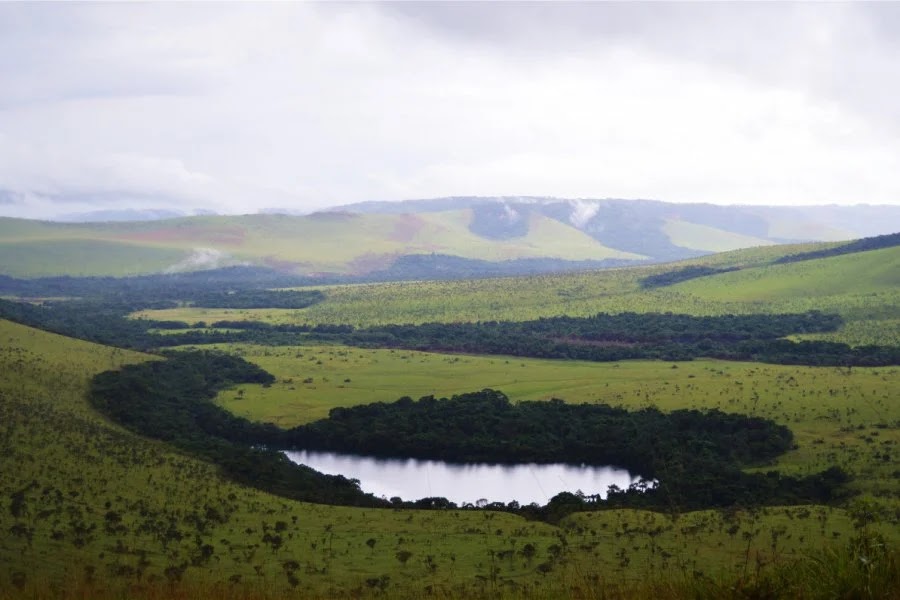
4 Lesio-Louna Natural Reserve: Located about 100 kilometers north of Brazzaville, Lesio-Louna Natural Reserve is a protected area renowned for its conservation efforts and primate rehabilitation center. Visitors can take guided tours to observe various primate species, including chimpanzees and mandrills, in their natural habitat. 

5. Lefini Reserve: The Lefini Reserve, also known as the Lefini Faunal Reserve, is a protected area located in the Republic of the Congo, in Central Africa. It is situated in the central part of the country, primarily in the Plateaux Department, and covers an area of approximately 4,430 square kilometers (1,710 square miles). The reserve was established in 1995 to protect the unique wildlife and ecosystems of the region. It is named after the Lefini River, which runs through the reserve. The Lefini Reserve is part of the greater Congo Basin, which is recognized as one of the world's most important biodiversity hotspots. The Lefini Reserve is characterized by diverse habitats, including tropical rainforests, savannahs, rivers, and swamps. It is home to a wide variety of wildlife, including several species of primates, such as chimpanzees, mandrills, and gorillas. Other mammals found in the reserve include forest elephants, buffalos, antelopes, and various species of monkeys. The reserve is renowned for its birdlife, with over 350 species recorded. This includes rare and colorful birds like the African grey parrot, crowned eagle, and black-casqued hornbill. Birdwatching enthusiasts will find the Lefini Reserve a fascinating destination for observing a wide range of avian species. Visitors to the Lefini Reserve can engage in activities such as guided nature walks, birdwatching, and wildlife spotting. The reserve offers opportunities for eco-tourism, providing a chance to explore the natural beauty of the Congo Basin and learn about its rich biodiversity. Local communities may also offer cultural experiences and insights into their traditional way of life. Conservation efforts in the Lefini Reserve focus on protecting the region's wildlife, ecosystems, and promoting sustainable development in the surrounding communities. The reserve plays an important role in preserving the natural heritage of the Republic of the Congo and contributes to the global efforts for biodiversity conservation. Please note that specific details about visiting the Lefini Reserve, such as access, accommodations, and travel arrangements, may be subject to change or require further information from local authorities or tour operators.


Friday, June 2, 2023

Welcome to Ghana (Land of Gold )

Welcome to Ghana

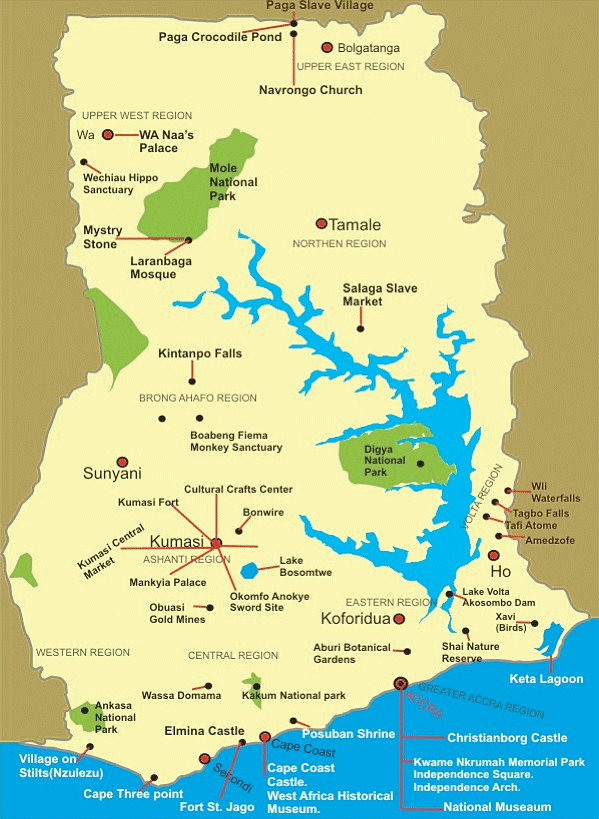
Ghana, officially known as the Republic of Ghana, is a country located in West Africa. Here are some key facts about Ghana: Capital: The capital city of Ghana is Accra. Geography: Ghana is situated along the Gulf of Guinea and bordered by Côte d'Ivoire (Ivory Coast) to the west, Burkina Faso to the north, and Togo to the east. The country has diverse geographical features, including coastal plains, hills, and the Ashanti uplands. Independence: Ghana gained independence from British colonial rule on March 6, 1957, becoming the first country in sub-Saharan Africa to achieve independence. Population: As of my knowledge cutoff in 2021, Ghana's estimated population was around 31 million people. However, please note that population figures may have changed since then. Official Language: The official language of Ghana is English. However, several indigenous languages are also spoken throughout the country, including Akan, Ewe, Ga, and many others. Government: Ghana operates as a unitary presidential constitutional democracy. The President of Ghana serves as the head of state and government, and the country has a multi-party political system. Economy: Ghana has a mixed economy, with agriculture, mining (especially gold), and petroleum production being significant sectors. The country has experienced notable economic growth in recent years, and it is considered one of the fastest-growing economies in Africa. Culture: Ghana has a rich cultural heritage, with diverse ethnic groups contributing to its traditions, music, dance, and festivals. The Kente cloth, Adinkra symbols, and traditional drumming are some notable aspects of Ghanaian culture. Tourism: Ghana has several attractions for tourists, including historical sites such as Cape Coast Castle and Elmina Castle, which played significant roles in the transatlantic slave trade. The Kakum National Park, Mole National Park, and the coastal beaches are also popular tourist destinations. Sports: Football (soccer) is the most popular sport in Ghana, and the national football team, known as the Black Stars, has achieved success on the international stage. Ghana has also produced several notable football players who have played for top clubs around the world. Please note that the information provided is based on the knowledge available up to September 2021, and there may have been some changes since then.


While tourism in Ghana offers various attractions, here are five popular and frequently visited places in the country: 

1. Cape Coast Castle: Cape Coast Castle is a significant historical site in Ghana and one of the most visited places in the country. Here's some more information about Cape Coast Castle: Location: Cape Coast Castle is located in the coastal city of Cape Coast in the Central Region of Ghana. It sits along the Gulf of Guinea. Historical Significance: Cape Coast Castle played a central role in the transatlantic slave trade during the colonial era. Built by the Swedes in the 17th century and later controlled by the British, it served as a major trading post where enslaved Africans were held captive before being transported across the Atlantic Ocean. UNESCO World Heritage Site: Cape Coast Castle is recognized as a UNESCO World Heritage Site since 1979. It is one of several castles and forts along the Ghanaian coastline that collectively form the "Ghanaian Forts and Castles" UNESCO World Heritage Site. Architecture: The castle is a well-preserved colonial structure with distinct architectural features. It consists of various sections, including dungeons, prison cells, a courtyard, administrative offices, and a governor's residence. The castle's architecture reflects the European influences of the time. Tours and Exhibits: Cape Coast Castle is open to visitors and offers guided tours. During these tours, visitors can explore the castle's interior, including the dark and cramped dungeons where enslaved Africans were kept. There are informative exhibits and displays that provide historical context, detailing the horrors of the transatlantic slave trade and its impact on Ghana and the African continent. Door of No Return: One notable feature of Cape Coast Castle is the "Door of No Return." It is a symbolic doorway through which enslaved Africans passed before boarding the ships bound for the Americas. The door represents the final departure from their homeland, often never to return. Memorial and Reflection: Cape Coast Castle serves as a place for reflection, remembrance, and education. It offers visitors an opportunity to learn about the dark chapter of human history and the resilience of those who endured slavery. Visiting Cape Coast Castle allows individuals to understand the brutal history of the transatlantic slave trade and the importance of remembering and learning from it. It serves as a powerful reminder of Ghana's past and its ongoing commitment to promoting tolerance, human rights, and cultural understanding.

2. Kakum National Park: Kakum National Park is a popular tourist destination in Ghana, known for its lush rainforest and unique canopy walkway. Here's more information about Kakum National Park: Location: Kakum National Park is located in the Central Region of Ghana, approximately 33 kilometers (20 miles) north of Cape Coast. It covers an area of about 375 square kilometers (145 square miles). Rainforest Biodiversity: The park is characterized by its dense tropical rainforest, which is home to a diverse array of plant and animal species. It is estimated that the park contains over 400 species of birds, 600 species of butterflies, and numerous mammals, reptiles, and amphibians. Canopy Walkway: One of the main attractions of Kakum National Park is its canopy walkway, which is suspended between several tall trees in the forest. The walkway consists of seven bridges and stretches for about 350 meters (1,150 feet) in length and up to 40 meters (130 feet) above the forest floor. Walking on the canopy walkway provides visitors with a unique perspective and stunning views of the rainforest. Wildlife and Bird Watching: Kakum National Park offers opportunities for wildlife and bird watching. While larger mammals such as elephants and buffalo are rarely seen, visitors may encounter various primates, including the endangered Diana monkey and the olive colobus monkey. The park is also home to species like the giant African millipede, tree frogs, and numerous bird species, including the African grey parrot and the great blue turaco. Nature Trails and Guided Tours: The park features several nature trails that allow visitors to explore the rainforest and experience its biodiversity up close. Guided tours are available, led by knowledgeable park rangers who provide insights into the flora, fauna, and ecological importance of the rainforest. Conservation and Research: Kakum National Park plays a vital role in conservation efforts in Ghana. It serves as a protected area for the preservation of the rainforest ecosystem and its biodiversity. The park is also involved in scientific research, including studies on ecology, wildlife behavior, and forest conservation. Visitor Facilities: Kakum National Park offers visitor facilities such as a visitor center, picnic areas, and camping grounds. The park provides a serene environment for relaxation, enjoying nature, and experiencing the tranquility of the rainforest. Kakum National Park offers a unique opportunity for visitors to immerse themselves in Ghana's tropical rainforest, explore its remarkable biodiversity, and enjoy an exhilarating walk on the canopy walkway. It is an ideal destination for nature lovers, adventure enthusiasts, and those interested in conservation and environmental education.


3. Mole National Park: Mole National Park is one of the most prominent national parks in Ghana and is known for its wildlife, including elephants, antelopes, and other diverse species. Here's more information about Mole National Park: Location: Mole National Park is situated in the northern part of Ghana, specifically in the West Gonja District of the Savannah Region. It covers an area of approximately 4,577 square kilometers (1,772 square miles). Wildlife: The park is renowned for its diverse wildlife population. It is home to over 90 species of mammals, including elephants, buffalo, warthogs, hyenas, leopards, and various antelope species like waterbucks, bushbucks, and hartebeests. Mole National Park is also inhabited by over 300 bird species, making it a great spot for birdwatching. Elephant Sanctuary: Mole National Park is particularly known for its elephant population. The park hosts one of the largest concentrations of elephants in Ghana, and visitors have a good chance of spotting these magnificent creatures during their visit. Safari Tours: Visitors to Mole National Park can embark on guided safari tours to explore the park's wildlife. These tours are typically conducted in vehicles or on foot, with experienced guides providing insights into the park's flora and fauna. Observation Deck: The park features an elevated observation deck that offers panoramic views of the surrounding savannah and provides an excellent vantage point for wildlife watching. From the deck, visitors can often spot elephants, antelopes, and other animals. Lodging and Facilities: Mole National Park offers lodging facilities within the park. The Mole Motel is the main accommodation option, providing comfortable rooms and amenities. The motel also has a swimming pool where visitors can relax after a day of wildlife viewing. Additionally, there are camping facilities available for those who prefer a more immersive experience. Cultural Encounters: In addition to its wildlife, Mole National Park provides opportunities for cultural encounters with the local communities. Visitors can engage with the indigenous people, learn about their traditional lifestyles, and gain insights into their customs and traditions. Conservation Efforts: Mole National Park plays a crucial role in conservation efforts in Ghana. It is dedicated to protecting and preserving the biodiversity of the area, particularly the elephant population. The park works in collaboration with local communities to promote sustainable practices and raise awareness about conservation. Mole National Park offers a remarkable safari experience, allowing visitors to witness the beauty of Ghana's wildlife in their natural habitat. It is a must-visit destination for nature enthusiasts, wildlife lovers, and those seeking an authentic African safari experience.

4 . Kumasi and the Ashanti Region: Kumasi is the capital city of the Ashanti Region in Ghana and holds significant cultural and historical importance. Here's more information about Kumasi and the Ashanti Region: Location: Kumasi is located in the southern part of Ghana, approximately 270 kilometers (170 miles) northwest of the capital city, Accra. It is situated in the Ashanti Region, which is known as the cultural heartland of Ghana. Ashanti Kingdom: The Ashanti Region is the ancestral home of the Ashanti people and is historically associated with the Ashanti Kingdom, one of the most powerful and influential pre-colonial states in West Africa. The kingdom played a central role in Ghana's history and remains an important cultural and traditional institution in the region. Cultural Heritage: Kumasi and the Ashanti Region are known for their rich cultural heritage and traditions. The region is renowned for its unique festivals, vibrant markets, traditional crafts, and Ashanti royal ceremonies. Visitors can witness colorful traditional rituals, explore local markets such as Kejetia Market, and observe the craftsmanship of Adinkra symbols, Kente cloth, and Ashanti gold jewelry. Manhyia Palace Museum: The Manhyia Palace Museum in Kumasi is a prominent attraction that offers insights into the Ashanti Kingdom's history and culture. The museum showcases artifacts, regalia, and historical documents related to the Ashanti royalty, providing visitors with a deeper understanding of the region's traditions and customs. Crafts and Artisan Villages: The Ashanti Region is known for its skilled artisans and craftsmanship. Visitors can explore various artisan villages, such as Ntonso for Adinkra cloth printing, Bonwire for Kente weaving, and Ahwiaa for wood carving. These villages offer opportunities to observe and even participate in the creation of traditional crafts. Educational Institutions: Kumasi is home to several prestigious educational institutions, including the Kwame Nkrumah University of Science and Technology (KNUST). The university is renowned for its academic programs in science, technology, engineering, and arts. Natural Attractions: Besides its cultural heritage, the Ashanti Region boasts natural attractions worth exploring. Lake Bosomtwe, a crater lake formed by a meteorite impact, is located near Kumasi and offers opportunities for relaxation, swimming, and boating. The Owabi Wildlife Sanctuary, located on the outskirts of Kumasi, is home to various bird species and is a popular spot for birdwatching. Hospitality: The Ashanti people are known for their warm hospitality and friendliness. Visitors to Kumasi and the Ashanti Region can experience the renowned Ashanti hospitality, enjoy local cuisine, and interact with the friendly locals. Kumasi and the Ashanti Region provide a captivating blend of history, culture, and natural beauty. Exploring the region allows visitors to delve into the rich heritage of the Ashanti Kingdom and witness the traditions that have been preserved over centuries.


5 . Busua Beach: Busua Beach is a popular beach destination located on the southwestern coast of Ghana. It is known for its beautiful sandy beach, clear waters, and relaxed atmosphere. Here's more information about Busua Beach: Location: Busua Beach is situated in the Western Region of Ghana, approximately 40 kilometers (25 miles) west of the city of Takoradi. Scenic Beach: Busua Beach is renowned for its picturesque beauty. It features a long stretch of sandy beach that is perfect for sunbathing, taking leisurely walks, and enjoying the tranquil ambiance. The beach is backed by palm trees, creating a tropical and serene setting. Surfing and Water Sports: Busua Beach is a popular spot for surfing enthusiasts, especially during the peak surfing season from May to August. The beach offers consistent waves that are suitable for both beginners and experienced surfers. Additionally, visitors can engage in other water sports such as paddleboarding and kayaking. Fishing Village: Busua is also a fishing village, and visitors can witness the daily activities of local fishermen as they bring in their catch or set out to sea. It offers a glimpse into the traditional fishing practices of the region. Accommodation and Facilities: Busua Beach provides a range of accommodation options to suit various budgets, from budget-friendly guesthouses to more upscale resorts. Visitors can find restaurants and beach bars along the shoreline, offering delicious local and international cuisine. Cultural Experiences: The nearby village of Busua offers opportunities for cultural immersion. Visitors can interact with the local community, learn about their traditional way of life, and experience the warmth and hospitality of the Ghanaian people. Cape Three Points: Cape Three Points, the southernmost tip of Ghana and mainland West Africa, is located near Busua Beach. It is a short distance away and is worth visiting for its rugged coastline, rocky cliffs, and stunning ocean views. Eco-Tourism: The area around Busua Beach is characterized by lush vegetation and palm forests. Visitors can explore the surrounding nature trails, visit nearby villages, and experience eco-tourism initiatives that promote sustainable practices and community development. Busua Beach offers a laid-back and relaxing atmosphere, making it an ideal destination for beach lovers, surfers, and those seeking a peaceful coastal getaway. Its natural beauty, warm hospitality, and range of activities make it a popular choice for both locals and international tourists.


Welcome to Budapest

Welcome to Budapest  Budapest is the capital and largest city of Hungary, home to about 1.7 million people (around 2.5–3 million in the metr...