Thursday, May 18, 2023

Welcome to Croatia (The land of a thousand islands)

 Welcome to Croatia

Croatia, officially known as the Republic of Croatia, is a country located in southeastern Europe. It shares borders with Slovenia to the northwest, Hungary to the northeast, Serbia to the east, Bosnia and Herzegovina to the southeast, and Montenegro to the southeast. Its western coast is along the Adriatic Sea. Here are some key points about Croatia: Capital: The capital city of Croatia is Zagreb, located in the northwest of the country. It is the largest city and serves as the political, cultural, and economic center of the country. Language: The official language is Croatian, which is a South Slavic language. History: Croatia has a rich history that dates back to ancient times. It was part of the Roman Empire, the Kingdom of Croatia, the Austro-Hungarian Empire, and Yugoslavia before gaining independence in 1991. Tourism: Croatia is known for its stunning coastline along the Adriatic Sea, which attracts millions of tourists each year. The historic city of Dubrovnik, with its well-preserved walls, is a UNESCO World Heritage Site. Other popular destinations include Split, Zadar, Hvar, and the Plitvice Lakes National Park. Islands: Croatia has over a thousand islands scattered along its coast, with the largest ones being Krk, Cres, Brač, and Hvar. These islands offer beautiful beaches, crystal-clear waters, and charming Mediterranean towns. Sports: Croatia has a strong sports culture, and football (soccer) is particularly popular. The Croatian national football team achieved great success by reaching the final of the FIFA World Cup in 2018. Other popular sports in Croatia include basketball, handball, and water polo. Cuisine: Croatian cuisine is diverse, influenced by its neighboring countries and the regions within Croatia. Traditional dishes include seafood, grilled meats, pastries, and various stews. Some popular Croatian dishes are cevapi, sarma, and Peka. Nature: In addition to its coastline, Croatia is known for its natural beauty. The Plitvice Lakes National Park, with its cascading lakes and waterfalls, is a UNESCO World Heritage Site. Other national parks like Krka and Paklenica offer opportunities for hiking, wildlife spotting, and outdoor activities. EU and NATO: Croatia became a member of the European Union (EU) in 2013 and joined the North Atlantic Treaty Organization (NATO) in 2009. Please note that the information provided here is up to my knowledge cutoff in September 2021, and there may have been developments or changes in Croatia since then.


Croatia is known for its diverse and beautiful destinations that attract tourists from around the world. While it's challenging to narrow it down to just five, here are some of the top visited places in Croatia:

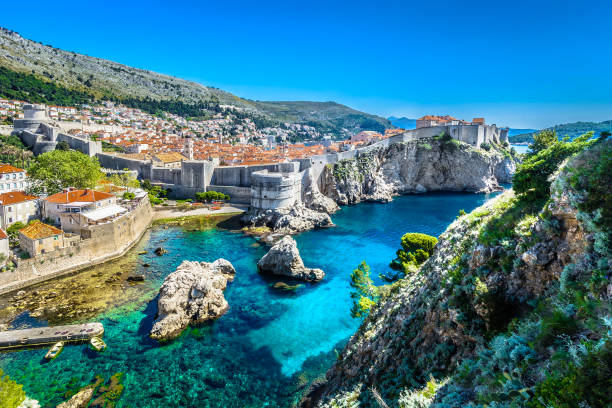
 1. Dubrovnik: Dubrovnik is a historic city located on the Adriatic coast in southern Croatia. It is often referred to as the "Pearl of the Adriatic" due to its picturesque beauty and well-preserved medieval architecture. Here are some key highlights of Dubrovnik: Dubrovnik Old Town: The Old Town of Dubrovnik is a UNESCO World Heritage Site and the heart of the city. Enclosed by 16th-century stone walls, it features narrow cobblestone streets, historic buildings, churches, and palaces. The main pedestrian street, called the Stradun or Placa, is lined with shops, restaurants, and cafes. City Walls: Dubrovnik is famous for its remarkably well-preserved city walls. Visitors can walk along the walls, which offer panoramic views of the Old Town, the Adriatic Sea, and the surrounding areas. The walls also include several forts and towers, such as the Minceta Tower and the Lovrijenac Fortress. Fort Lovrijenac: Perched on a cliff overlooking the sea, Fort Lovrijenac is a fortress that played a significant role in Dubrovnik's defense throughout history. It is also known as the "Dubrovnik Gibraltar" and is a popular spot for visitors to enjoy stunning views of the city and the Adriatic. Dubrovnik Cathedral: Located in the Old Town, the Dubrovnik Cathedral, also known as the Cathedral of the Assumption of the Virgin Mary, is a beautiful Baroque-style church. It houses numerous religious artifacts and treasures, including paintings, sculptures, and relics. Stradun: The Stradun is the main street and the central hub of activity in the Old Town. Lined with elegant buildings, shops, cafes, and restaurants, it is a vibrant pedestrian street that offers a great place for leisurely strolls and people-watching. Dubrovnik Cable Car: For panoramic views of the city and the surrounding area, a ride on the Dubrovnik Cable Car is highly recommended. It takes visitors from the Old Town to the top of Mount Srd, where a viewing platform offers breathtaking vistas of Dubrovnik and the Adriatic Sea. Game of Thrones Filming Location: Dubrovnik gained additional fame as one of the main filming locations for the popular TV series Game of Thrones. Many iconic scenes, including those set in King's Landing, were filmed in various locations throughout the city. Dubrovnik is a captivating destination that offers a perfect blend of history, culture, stunning architecture, and natural beauty. It attracts visitors from all over the world who come to explore its rich heritage and experience its unique atmosphere.
2. Split: Split is a vibrant city located on the central Dalmatian coast of Croatia. It is the second-largest city in Croatia and serves as a significant cultural and economic center. Split is renowned for its rich history, stunning architecture, and lively atmosphere. Here are some key highlights of Split: Diocletian's Palace: The main attraction in Split is the UNESCO-listed Diocletian's Palace, a Roman palace built by Emperor Diocletian in the 4th century. It is one of the best-preserved Roman ruins in the world and forms the historic core of the city. Within the palace walls, visitors can explore narrow streets, hidden squares, ancient buildings, shops, and restaurants. Peristyle Square: The Peristyle Square is the central square within Diocletian's Palace. It features impressive Roman architecture, including the Vestibule, a grand entrance hall, and the Cathedral of St. Domnius, an ancient mausoleum that now serves as a cathedral. The square is a popular gathering place and often hosts live music performances. Riva Promenade: The Riva is Split's famous waterfront promenade that stretches along the harbor. It is a lively place to stroll, relax, and enjoy views of the Adriatic Sea. The Riva is lined with cafes, restaurants, and palm trees, making it an ideal spot for people-watching. Marjan Hill: Marjan Hill is a lush green oasis located near the city center. It offers beautiful walking trails, viewpoints, and secluded beaches. Climbing to the top of Marjan Hill rewards visitors with panoramic views of the city, surrounding islands, and the Adriatic Sea. Bacvice Beach: Bacvice Beach is the most popular city beach in Split, known for its fine sand and clear waters. It is conveniently located near the city center and offers various amenities, including beach bars, restaurants, and sports facilities. Bacvice Beach is also famous for the traditional game of picigin, a ball game played in shallow water. Split Old Town: In addition to Diocletian's Palace, Split's Old Town boasts charming medieval streets, picturesque squares, and numerous historical buildings. Exploring the Old Town allows visitors to admire the mix of architectural styles, including Gothic, Renaissance, and Baroque influences. Ivan Mestrovic Gallery: The Ivan Mestrovic Gallery is a museum dedicated to the renowned Croatian sculptor Ivan Mestrovic. It showcases a significant collection of his sculptures, drawings, and architectural designs. The gallery is located in a beautiful villa surrounded by a serene garden. Split offers a delightful combination of ancient history, modern amenities, and a lively Mediterranean atmosphere. Its strategic location makes it an excellent starting point for exploring the nearby islands and the stunning Dalmatian coastline.

3. Plitvice Lakes National Park: Plitvice Lakes National Park is a stunning natural treasure located in central Croatia. It is the oldest and largest national park in the country and has been designated as a UNESCO World Heritage Site since 1979. Plitvice Lakes is renowned for its interconnected system of lakes, waterfalls, lush forests, and diverse wildlife. Here are some key features and highlights of Plitvice Lakes National Park: Lakes and Waterfalls: The park is characterized by its sixteen terraced lakes, which are interconnected by a series of cascading waterfalls. The lakes exhibit various shades of emerald and turquoise due to the minerals and organisms present in the water. Visitors can explore the park by walking along the wooden footbridges and trails that provide breathtaking views of the lakes and waterfalls. Upper Lakes and Lower Lakes: The park is divided into two main sections: the Upper Lakes (Gornja Jezera) and the Lower Lakes (Donja Jezera). The Upper Lakes feature numerous smaller lakes and cascades, while the Lower Lakes are home to the largest and most impressive waterfalls, including the iconic Veliki Slap (Great Waterfall), which is approximately 78 meters (256 feet) in height. Plitvica River: The Plitvica River flows through the national park and plays a crucial role in shaping the landscape. The river is responsible for the formation of the lakes, waterfalls, and karst formations that are characteristic of the area. Flora and Fauna: Plitvice Lakes National Park is rich in biodiversity. The park is covered by dense forests composed of beech, fir, and spruce trees. It is home to a variety of animal species, including brown bears, wolves, lynx, deer, and numerous bird species. Visitors may spot wildlife while exploring the park's trails. Hiking Trails: The park offers a well-developed network of hiking trails that cater to different levels of fitness and preferences. The trails range from easy, scenic walks around the lakes to more challenging hikes that take visitors to panoramic viewpoints. Boat rides and electric trains are also available for convenient transportation within the park. Educational Facilities: Plitvice Lakes National Park has educational facilities that provide information about the park's natural wonders, geology, and ecological importance. The park aims to promote environmental awareness and conservation efforts. Winter Wonderland: Plitvice Lakes National Park transforms into a winter wonderland during the colder months. The frozen lakes and snow-covered landscapes create a magical atmosphere, offering a different perspective on the park's beauty. Visiting Plitvice Lakes National Park provides a memorable and immersive experience in nature. Its exceptional beauty, tranquil ambiance, and pristine landscapes make it one of the most visited and cherished natural sites in Croatia.

4. Hvar: Hvar is a Croatian island located in the Adriatic Sea, off the Dalmatian coast. It is known for its natural beauty, sunny climate, crystal-clear waters, and vibrant atmosphere. Hvar has gained a reputation as a popular destination for both relaxation and entertainment. Here are some key highlights of Hvar: Hvar Town: Hvar Town is the main settlement on the island and is often considered one of the most beautiful towns in Croatia. It features a picturesque harbor, historic streets lined with medieval architecture, and a lively waterfront promenade. The town square, called Pjaca, is a vibrant gathering place filled with cafes, restaurants, and shops. St. Stephen's Square and Cathedral: The heart of Hvar Town is St. Stephen's Square (Trg Svetog Stjepana) and its iconic cathedral. The square is surrounded by historic buildings and is a popular spot for enjoying a drink or meal at one of the many outdoor cafes. The Cathedral of St. Stephen, with its distinctive bell tower, is a significant cultural and architectural landmark. Fortica Fortress: Perched high above Hvar Town, Fortica Fortress, also known as Hvar Fortress or Spanjola Fortress, offers panoramic views of the town, surrounding islands, and the Adriatic Sea. The fortress dates back to the 16th century and houses a small museum showcasing the island's history. Pakleni Islands: Just off the coast of Hvar, the Pakleni Islands (Pakleni Otoci) form an archipelago of about twenty small, unspoiled islands. The islands are known for their secluded coves, crystal-clear waters, and pine forest-covered hills. Many visitors take boat trips or rent boats to explore these idyllic islands and enjoy swimming, sunbathing, and snorkeling. Lavender Fields: Hvar is famous for its fragrant lavender fields that bloom during the summer months. The fields, located mainly in the interior of the island, create a beautiful sight and a pleasant aroma. Visitors can take guided tours or rent bicycles to explore the lavender fields and learn about the island's lavender production. Beaches: Hvar offers numerous beaches for sun-seekers to enjoy. Some popular beaches include Dubovica Beach, a picturesque pebble beach with crystal-clear waters; Stipanska Beach on the Pakleni Islands, known for its vibrant beach bars; and Pokonji Dol Beach, a family-friendly sandy beach located close to Hvar Town. Nightlife and Entertainment: Hvar has a vibrant nightlife scene that caters to different tastes. Hvar Town offers a variety of bars, clubs, and beach parties that attract visitors looking for a lively and energetic atmosphere. The island is especially popular among young travelers seeking a combination of relaxation and vibrant nightlife. Hvar offers a unique blend of natural beauty, cultural heritage, and a lively Mediterranean atmosphere. Whether you are looking to explore historical sites, relax on pristine beaches, immerse yourself in the local culture, or enjoy vibrant nightlife, Hvar has something to offer. 

5. Zagreb: Zagreb is the capital city of Croatia, located in the northwest part of the country. It is the largest city in Croatia and serves as the cultural, political, and economic center of the country. Zagreb offers a mix of historical charm, vibrant cultural scene, and a thriving urban atmosphere. Here are some key highlights of Zagreb: Upper Town (Gornji Grad): The Upper Town is the historic heart of Zagreb and features charming cobblestone streets, medieval architecture, and historic landmarks. It is home to the iconic St. Mark's Square, with its colorful tiled roof, and St. Mark's Church. The Upper Town also houses the Croatian Parliament, the Government Palace, and the Lotrščak Tower, which offers panoramic views of the city. Ban Jelačić Square: Located in the heart of the city, Ban Jelačić Square is the central square of Zagreb and a popular meeting point for locals and visitors alike. The square is surrounded by shops, cafes, and important landmarks. It serves as a starting point for exploring the city's vibrant streets and cultural sites. Dolac Market: Dolac Market is Zagreb's largest and most popular open-air market. It offers a vibrant atmosphere with stalls selling fresh produce, local products, flowers, and more. It's a great place to experience the local lifestyle and sample traditional Croatian delicacies. Museum of Broken Relationships: This unique museum explores the concept of failed relationships through a collection of donated personal objects accompanied by stories. It has gained international acclaim and provides a thought-provoking and emotional experience for visitors. Mirogoj Cemetery: Mirogoj Cemetery is one of the most beautiful and renowned cemeteries in Europe. It features stunning arcades, elaborate tombstones, and a tranquil atmosphere. Many notable figures from Croatian history, culture, and arts are buried here. Croatian National Theatre: The Croatian National Theatre in Zagreb is a magnificent neo-baroque building that hosts opera, ballet, and theater performances. It is considered one of the most prestigious cultural institutions in Croatia. Zagreb Cathedral: The Zagreb Cathedral, also known as the Cathedral of the Assumption of the Blessed Virgin Mary, is the tallest building in Croatia and a symbol of the city. Its twin spires dominate the skyline, and the interior features beautiful stained glass windows and ornate altars. Maksimir Park: Maksimir Park is a large green oasis located on the outskirts of Zagreb. It offers extensive walking paths, lakes, forests, and a zoo. It's a popular spot for leisurely strolls, picnics, and enjoying nature. Zagreb offers a rich blend of history, culture, and modern amenities. Its vibrant arts scene, bustling street life, and welcoming atmosphere make it a compelling destination for travelers. Whether you're interested in exploring historical sites, enjoying cultural events, or savoring local cuisine, Zagreb has much to offer.


Tuesday, May 16, 2023

Welcome to Bulgaria (The Land of Roses)

Welcome to Bulgaria

Bulgaria, officially known as the Republic of Bulgaria, is a country located in Southeastern Europe. Here's some information about Bulgaria: Geography: Bulgaria is bordered by Romania to the north, Serbia and North Macedonia to the west, Greece and Turkey to the south, and the Black Sea to the east. Its diverse geography includes mountains, plains, and a coastline along the Black Sea. Capital: Sofia is the capital and largest city of Bulgaria. It is situated in the western part of the country and serves as its political, economic, and cultural center. Language: The official language of Bulgaria is Bulgarian, which uses the Cyrillic alphabet. English is also widely spoken in major cities and tourist areas. Population: As of my knowledge cutoff in September 2021, Bulgaria had a population of around 6.9 million people. Government: Bulgaria is a parliamentary republic with a multi-party system. The President is the head of state, while the Prime Minister is the head of government. Economy: Bulgaria has a developing market economy, which has experienced significant growth since the 1990s. Key sectors of the economy include industry, services, agriculture, and tourism. Tourism: Bulgaria is known for its beautiful landscapes, including the Balkan Mountains, Rhodope Mountains, and the Black Sea coast. The country offers a rich history with numerous ancient archaeological sites, monasteries, and charming towns. Popular tourist destinations include Sofia, Plovdiv, Veliko Tarnovo, Bansko, and seaside resorts such as Sunny Beach and Golden Sands. Cultural Heritage: Bulgaria has a rich cultural heritage influenced by its Thracian, Roman, Byzantine, and Ottoman past. The country is famous for its traditional folk music, dance, and colorful festivals, such as the Kukeri Carnival and the Surva Festival. Cuisine: Bulgarian cuisine is diverse and flavorful, with influences from the Balkans, Mediterranean, and Ottoman cuisine. Traditional dishes include banitsa (a cheese-filled pastry), karma (meat stew), shop ska salad (a refreshing salad with tomatoes, cucumbers, peppers, and cheese), and various grilled meats. Historical Significance: Bulgaria has a long history that dates back to ancient times. It was once part of the powerful Byzantine and Ottoman Empires and played a significant role in the Eastern Roman Empire (Byzantium). The country also has historical sites like the UNESCO World Heritage-listed Boyana Church and the ancient city of Nessebar. Please note that the information provided is based on the knowledge available up until September 2021, and there may have been changes or developments since then. 


Bulgaria offers a variety of popular tourist destinations that attract visitors from around the world. Here are some of the top visited places in Bulgaria: 

1. Sofia: Sofia, the capital city of Bulgaria, is a vibrant and dynamic metropolis with a rich history and a blend of architectural styles. Here's some information about Sofia: Alexander Nevsky Cathedral: One of the most iconic landmarks in Sofia, the Alexander Nevsky Cathedral is a magnificent Orthodox cathedral. It is the largest cathedral in Bulgaria and serves as a symbol of the country's spiritual and cultural heritage. National Palace of Culture (NDK): This impressive building is a major congress and exhibition center in Sofia. NDK hosts various events, including concerts, conferences, exhibitions, and performances. Its surrounding park is a popular spot for relaxation and cultural gatherings. Sofia's City Center: The heart of the city, Sofia's center is a bustling area with wide boulevards, squares, and pedestrian streets. It is home to government buildings, shopping centers, restaurants, and cafes. The iconic yellow-brick-paved Vitosha Boulevard is a popular destination for shopping and leisurely walks. Boyana Church: Located at the foot of the Vitosha Mountain, Boyana Church is a UNESCO World Heritage site and a true gem of medieval Bulgarian art. The church is renowned for its remarkable frescoes, dating back to the 10th, 13th, and 19th centuries. National Museum of History: Housed in the former residence of the Bulgarian communist leader, the National Museum of History offers a comprehensive overview of Bulgaria's history from prehistoric times to the present day. It showcases a vast collection of artifacts, including Thracian treasures, medieval art, and ethnographic exhibits. Sofia's Parks: Sofia boasts several parks and green spaces that provide a peaceful retreat from the city's hustle and bustle. Borisova Gradina, located near the city center, is the oldest and largest park in Sofia, offering walking paths, sports facilities, and a lake. South Park and City Garden are also popular spots for relaxation and recreation. Saint Sofia Church: The city of Sofia derived its name from this ancient church. Saint Sofia Church dates back to the 6th century and is one of the oldest churches in Sofia. Its architecture combines both Byzantine and medieval Bulgarian elements. Museums and Galleries: Sofia has numerous museums and art galleries showcasing the country's cultural heritage. Some notable ones include the National Art Gallery, the Museum of Contemporary Art, the National Archaeological Museum, and the Earth and Man National Museum. Central Market Hall: Built in the early 20th century, the Central Market Hall (Tsentralni Hali) is a covered market where you can find a wide range of fresh produce, local delicacies, and traditional crafts. It's a great place to experience the local flavors and interact with the friendly vendors. These are just a few highlights of what Sofia has to offer. The city combines a modern urban atmosphere with a rich historical and cultural heritage, making it an exciting destination for visitors.

2. Plovdiv: Plovdiv, located in southern Bulgaria, is one of the oldest cities in Europe and a cultural gem of the country. Here's some information about Plovdiv: Old Town (Plovdiv's Old Town): Plovdiv's Old Town is a well-preserved architectural ensemble that takes you back in time. Its charming cobblestone streets, colorful Revival-era houses with wooden balconies, and ancient ruins create a unique atmosphere. The Old Town is home to historical sites like the Roman Theater, the Roman Stadium, and the Ancient Forum. Roman Theater: One of the most impressive Roman theaters in the world, the Roman Theater of Plovdiv is a must-visit. Dating back to the 2nd century, it has been remarkably preserved and is still used today for various cultural events, including concerts and theatrical performances. Kapana District: Kapana, meaning "The Trap," is a vibrant and artistic neighborhood in Plovdiv's city center. It is known for its narrow streets, art galleries, trendy cafes, craft shops, and creative studios. Kapana is a hub for the city's artistic and cultural scene, making it a popular place to explore. Ancient Philippopolis: Plovdiv has a rich history that dates back to ancient times when it was known as Philippopolis. Throughout the city, you can find remnants of its Roman, Byzantine, and Ottoman past, such as the Roman Stadium, the Ancient Forum, and the Djumaya Mosque. Ethnographic Museum: Housed in a beautiful 19th-century house in Plovdiv's Old Town, the Ethnographic Museum provides insight into Bulgarian culture and traditions. It exhibits a wide range of artifacts, including traditional costumes, crafts, and household items. Regional Archaeological Museum: Located in the heart of Plovdiv, the Regional Archaeological Museum is one of the most significant archaeological museums in Bulgaria. It displays a vast collection of artifacts from the region, spanning different historical periods, including Thracian, Roman, and medieval objects. Nebet Tepe: Nebet Tepe is an ancient hill in Plovdiv that offers panoramic views of the city. It was the site of the original settlement and later became a fortress. Today, you can explore its ruins and enjoy the picturesque vistas of Plovdiv's rooftops and surrounding landscape. International Fair Plovdiv: Plovdiv hosts one of the largest trade fair complexes in Southeastern Europe, known as the International Fair Plovdiv. It organizes various international exhibitions, trade shows, and conferences, attracting business professionals from around the world. Festivals and Events: Plovdiv is known for its vibrant cultural scene and hosts several festivals and events throughout the year. The most notable ones include the International Fair Plovdiv, the Night of Museums and Galleries, the Kapana Fest, and the Plovdiv Jazz Nights. Plovdiv's rich history, architectural beauty, and vibrant cultural life make it a captivating destination for both history enthusiasts and art lovers. The city was designated as the European Capital of Culture in 2019, further highlighting its significance as a cultural hub.

3. Veliko Tarnovo: Veliko Tarnovo, located in central Bulgaria, is a historic city known for its picturesque setting and rich cultural heritage. Here's some information about Veliko Tarnovo: Tsarevets Fortress: Tsarevets Fortress is the most iconic landmark of Veliko Tarnovo. Situated on a hill, it was the stronghold of the medieval Bulgarian rulers during the Second Bulgarian Empire. The fortress offers stunning views of the city and the Yantra River. Inside the complex, you can explore the royal palace, the Patriarchal Church, and the Sound and Light Show that tells the story of Bulgaria's history. Samovodska Charshia: Samovodska Charshia is a historic street in Veliko Tarnovo's old quarter. It preserves the atmosphere of the traditional Bulgarian market with its charming crafts shops, where artisans demonstrate traditional crafts such as pottery, woodcarving, and copper work. You can also find local products, souvenirs, and traditional Bulgarian cuisine in the area. Assenova Fortress: Located a short distance from Veliko Tarnovo, Assenova Fortress is another medieval fortress worth visiting. Perched on a rocky hill, it offers panoramic views of the surrounding landscape. The fortress dates back to the 13th century and played a significant role in the region's history. Tsarevets Archaeological Reserve: This archaeological reserve is an open-air museum that showcases the remains of the medieval capital, Tsarevets, and its fortifications. The reserve features ancient walls, gates, towers, and various archaeological finds. It provides valuable insights into the city's past and the Second Bulgarian Empire. Gurko Street: Gurko Street is a charming, narrow street lined with traditional houses and offering beautiful views of the old town and the Yantra River. It is named after the Bulgarian revolutionary and national hero, Hadzhi Dimitar Gurko. The street is a pleasant place for a leisurely stroll and to enjoy the architectural beauty of Veliko Tarnovo. The Church of St. Demetrius of Thessaloniki: This medieval church is an architectural masterpiece with its impressive frescoes and elegant design. It is located near Samovodska Charshia and is a significant religious site in Veliko Tarnovo. The Old Town: Veliko Tarnovo's old town is a labyrinth of narrow, winding streets and stone houses with wooden balconies. Exploring the old town allows you to discover hidden corners, small shops, art galleries, and cozy cafes. Sound and Light Show: Veliko Tarnovo offers a spectacular Sound and Light Show at Tsarevets Fortress during the summer months. The multimedia show combines music, lights, and laser effects to depict the historical events and battles that shaped Bulgaria's history. Veliko Tarnovo's historical significance, architectural beauty, and stunning landscapes make it a captivating destination for history enthusiasts and those seeking a unique cultural experience. The city's medieval charm and the grandeur of its fortresses leave a lasting impression on visitors.


4. Bansko: Bansko is a popular mountain resort town located in southwestern Bulgaria. Nestled in the Pirin Mountains, it offers a combination of natural beauty, outdoor activities, and a charming old town. Here's some information about Bansko: Ski Resort: Bansko is renowned as one of the top ski resorts in Bulgaria and attracts skiing and snowboarding enthusiasts from around the world. It boasts excellent ski slopes, modern ski facilities, and a long ski season that typically lasts from December to April. The resort has a variety of slopes suitable for all levels, from beginners to advanced skiers. Pirin National Park: Bansko is located on the edge of the Pirin National Park, a UNESCO World Heritage site. The park is known for its stunning alpine landscapes, diverse flora and fauna, and picturesque hiking trails. It offers opportunities for hiking, mountain biking, and nature exploration, with beautiful lakes, waterfalls, and peaks to discover. Old Town: Bansko's old town, situated at the foot of the Pirin Mountains, is a charming area with traditional Bulgarian architecture and narrow cobbled streets. It is a designated architectural reserve and is known for its well-preserved 18th and 19th-century houses, local crafts shops, and traditional taverns (known as "mechanics") where you can taste Bulgarian cuisine and local specialties. Bansko Museum Complex: The Bansko Museum Complex is a cultural institution that showcases the history, traditions, and heritage of Bansko and the surrounding region. It comprises several museum houses, including the Nikola Vaptsarov House Museum, the Neofit Rilski House Museum, and the Permanent Icon Exhibition. Holy Trinity Church: The Holy Trinity Church is a prominent religious site in Bansko. It is a beautiful Orthodox church known for its exquisite wood-carved iconostasis and murals. The church is an architectural masterpiece and a must-visit for those interested in religious art and culture. Jazz Festival: Bansko is famous for its annual International Jazz Festival, held in August. The festival attracts renowned jazz musicians from around the world and offers a vibrant atmosphere with live performances, concerts, and jam sessions. Thermal Springs: Bansko is also known for its thermal springs, which are believed to have healing properties. Several spa and wellness centers in the town offer a range of treatments and facilities, including thermal baths and saunas, providing a relaxing experience for visitors. Summer Activities: In addition to winter sports, Bansko offers a range of activities during the summer months. These include hiking, mountain biking, horseback riding, paragliding, and exploring the natural beauty of the Pirin Mountains. Bansko's combination of winter sports, natural landscapes, cultural heritage, and traditional charm makes it a popular destination for both outdoor enthusiasts and those seeking a relaxed mountain getaway.


5. Sunny Beach: Sunny Beach is a vibrant seaside resort located on the Black Sea coast of Bulgaria. Known for its long sandy beaches, lively nightlife, and wide range of entertainment options, it attracts tourists from around the world. Here's some information about Sunny Beach: Beaches: Sunny Beach boasts a beautiful stretch of coastline with long, sandy beaches that slope gently into the Black Sea. The beaches are well-maintained and offer various facilities and amenities, including sun loungers, umbrellas, beach bars, and water sports activities such as jet skiing, banana boat rides, and parasailing. Water Parks: Sunny Beach is home to several water parks, including Action Aquapark and Aqua Paradise. These parks provide a fun-filled experience for visitors of all ages with numerous water slides, wave pools, lazy rivers, and other attractions. Nightlife: Sunny Beach is famous for its vibrant nightlife scene. The resort offers a plethora of bars, clubs, and beach clubs that stay open late into the night. Partygoers can enjoy live music, DJ performances, themed parties, and a wide selection of drinks and cocktails. Entertainment and Activities: Sunny Beach provides a wide range of entertainment options to keep visitors entertained throughout their stay. These include go-karting, mini-golf, bungee jumping, trampolines, and amusement parks for children. There are also opportunities for boat trips, fishing excursions, and day trips to nearby attractions. Shopping and Dining: The resort features numerous shops, boutiques, and souvenir stalls where visitors can find clothing, beachwear, jewelry, and traditional Bulgarian crafts. Sunny Beach also offers a diverse culinary scene with a variety of restaurants, cafes, and food stalls serving both international and Bulgarian cuisine. Sunny Beach Promenade: The promenade along Sunny Beach is a lively area bustling with activity. It is lined with shops, restaurants, bars, and clubs, providing a vibrant atmosphere day and night. Visitors can enjoy a leisurely stroll, take in the sea views, and indulge in shopping or dining experiences. Nearby Attractions: Sunny Beach is well-located for exploring other attractions in the region. Nessebar, a UNESCO World Heritage site known for its ancient architecture and historical sites, is just a short distance away. Visitors can also take day trips to the picturesque town of Sozopol or explore the natural beauty of the nearby Strandzha Mountains. Sunny Beach's combination of beautiful beaches, lively nightlife, and a wide range of activities make it a popular destination for those seeking a beach vacation with plenty of entertainment options.


Monday, May 15, 2023

Welcome to Romania (The Land of Romans)

 Welcome to Romania

Romania is a country located in southeastern Europe, bordered by Ukraine to the north, Bulgaria to the south, Serbia to the southwest, Hungary to the west, and Moldova to the east. It has a diverse landscape that includes the Carpathian Mountains, rolling hills, and the Danube River, which forms part of its southern border. Here are some key facts about Romania: Capital: Bucharest Population: As of my knowledge cutoff in September 2021, Romania had a population of around 19 million people. Please note that the population might have changed since then. Language: The official language is Romanian. Government: Romania is a semi-presidential republic, which means it has both a president and a prime minister. Currency: The official currency is the Romanian leu (RON). History: Romania has a rich and complex history. It was once part of the Roman Empire and later came under the influence of the Ottoman Empire. In the 20th century, Romania went through various political changes, including monarchy, communist rule under Nicolae Ceausescu, and transition to a democratic government. EU and NATO: Romania joined the European Union (EU) in 2007 and is a member of the North Atlantic Treaty Organization (NATO). Economy: Romania has a mixed economy, with sectors such as manufacturing, agriculture, services, and tourism contributing to its GDP. It has seen significant economic growth since the 1990s. Tourism: Romania is known for its natural beauty, including the Carpathian Mountains, the Danube Delta, and the picturesque region of Transylvania. Popular tourist destinations include Bran Castle (often associated with the legend of Dracula), Peleș Castle, and the historic city of Sibiu. Culture: Romanian culture is influenced by a mix of Eastern European, Balkan, and Western European traditions. It has a rich folklore, including traditional music, dance, and crafts. Romanian cuisine is diverse, with dishes like sarmale (stuffed cabbage rolls) and mămăligă (polenta) being popular. Please keep in mind that the information provided is based on my training data until September 2021, and there may have been some changes or developments since then.


Romania offers a variety of captivating destinations to explore. While it's challenging to narrow it down to just five, here are five popular places to visit in Romania: 

1. Bucharest: Bucharest, the capital city of Romania, is a vibrant and bustling metropolis with a rich history and diverse cultural scene. Here are some highlights of Bucharest: Palace of the Parliament: Also known as the People's Palace, this colossal building is the world's heaviest administrative building and the second-largest building in the world, after the Pentagon. It was constructed during the communist era and now houses the Romanian Parliament and various museums. Revolution Square: Located in the heart of Bucharest, Revolution Square holds significant historical importance. It was the site of the 1989 Romanian Revolution that led to the overthrow of the communist regime. The square is surrounded by iconic landmarks such as the former Royal Palace (now the National Museum of Art of Romania), the Athenaeum, and the Memorial Cross. Old Town (Lipscani): The Lipscani District is the historic center of Bucharest, and it is a lively area known for its narrow streets, 19th-century buildings, and a vibrant nightlife scene. Here, you'll find a mix of trendy bars, restaurants, boutique shops, and historical sites like the Old Princely Court and Stavropoleos Monastery. Herastrau Park: Bucharest offers several green spaces, and Herastrau Park is the largest and most popular among them. Situated around Herastrau Lake, the park provides a peaceful retreat from the city's hustle and bustle. Visitors can stroll along the lake's promenade, rent a boat, enjoy outdoor activities, or relax in one of the many lakeside cafes. Village Museum: Located in Herastrau Park, the Village Museum (Muzeul Satului) offers a glimpse into Romania's rural heritage. It showcases traditional houses, churches, and structures from various regions of the country, allowing visitors to explore Romanian rural architecture and experience the country's cultural diversity. Apart from these highlights, Bucharest also boasts numerous museums, art galleries, theaters, and shopping centers. The city's dynamic atmosphere, mix of architectural styles, and thriving cultural scene make it a fascinating destination to explore.

2. Bran Castle: Bran Castle, often referred to as "Dracula's Castle," is a popular tourist attraction located near the town of Bran in Transylvania, Romania. Here's what you should know about Bran Castle: Historical Significance: Bran Castle is a medieval fortress that dates back to the 14th century. While it has become associated with the fictional character of Count Dracula from Bram Stoker's novel, there is no evidence to suggest that Stoker had Bran Castle in mind when describing Dracula's castle. However, the castle's Gothic appearance and its location in Transylvania, a region known for its vampire folklore, have contributed to the popular Dracula legend. Architecture and Setting: Perched atop a hill overlooking the picturesque surroundings, Bran Castle presents a striking sight. It features a combination of architectural styles, including Gothic, Renaissance, and Baroque elements. The castle consists of towers, courtyards, narrow passages, and secret staircases, providing visitors with an immersive experience of medieval architecture. Museum and Exhibitions: Today, Bran Castle serves as a museum that offers insights into the history and culture of the region. The interior of the castle is decorated with period furniture, art collections, and exhibits related to Romanian royalty. Visitors can explore various rooms, including the Queen's Chamber, the King's Chamber, and the Tower Room, each offering a glimpse into the castle's past. Stunning Surroundings: Bran Castle is located in a picturesque setting, surrounded by rolling hills and dense forests, creating a captivating atmosphere. The natural beauty of the area adds to the overall allure of the castle and provides opportunities for outdoor activities such as hiking and photography. Visitor Experience: A visit to Bran Castle allows you to learn about the castle's history, explore its rooms and chambers, and soak in the ambiance of the medieval fortress. The castle attracts a significant number of tourists each year, and there are often exhibitions and events organized within its premises, including themed tours and folklore festivals. While Bran Castle has become synonymous with the Dracula legend, it is important to note that the castle's real historical significance and architectural beauty are the main reasons why it is worth a visit. 

3. Sibiu: Sibiu is a charming city located in the heart of Transylvania, Romania. It is known for its well-preserved medieval architecture, cultural events, and rich history. Here's an overview of Sibiu: Historic Old Town: Sibiu's Old Town, also known as the "Historic Center," is a UNESCO World Heritage Site and the main attraction of the city. Its narrow, cobblestone streets are lined with colorful buildings, baroque facades, and medieval towers. The three main squares—Piata Mare (Grand Square), Piata Mica (Small Square), and Piata Huet (Huet Square)—are vibrant hubs with cafes, restaurants, and historical landmarks. Brukenthal National Museum: Housed in the 18th-century Brukenthal Palace, the Brukenthal National Museum is one of Romania's oldest museums. It showcases an impressive collection of European art, including paintings, sculptures, and decorative arts from various periods. The museum also includes a gallery dedicated to Romanian art. Council Tower: The Council Tower, located in the Small Square, is a symbol of Sibiu. Visitors can climb its 200 stairs for panoramic views of the city. The tower also hosts exhibitions and provides insights into the city's history. ASTRA Museum of Traditional Folk Civilization: Situated on the outskirts of Sibiu, the ASTRA Museum is an open-air museum that offers a glimpse into Romanian rural life and traditional folk culture. It covers a vast area, featuring over 400 authentic traditional buildings, including houses, churches, and watermills, representing various regions of Romania. Festivals and Events: Sibiu is renowned for its vibrant cultural scene, hosting numerous festivals throughout the year. The Sibiu International Theatre Festival, held annually in June, attracts theater companies from around the world. Other notable events include the Sibiu Jazz Festival, the Astra Film Festival, and the Sibiu Christmas Market. Lutheran Cathedral: The Evangelical Lutheran Cathedral, also known as the Sibiu Cathedral or the Church of Saint Mary, is a stunning Gothic-style church located in the city center. It features an impressive interior with intricate frescoes, an impressive organ, and a tower that can be climbed for panoramic views. Astra Park: Astra Park is a beautiful green space situated near the ASTRA Museum. It offers a peaceful retreat with lush gardens, walking paths, and a lake. Visitors can enjoy leisurely strolls, picnics, and even rent paddleboats. Sibiu's charm, cultural heritage, and well-preserved historic center make it a delightful destination for travelers interested in history, architecture, and cultural experiences.

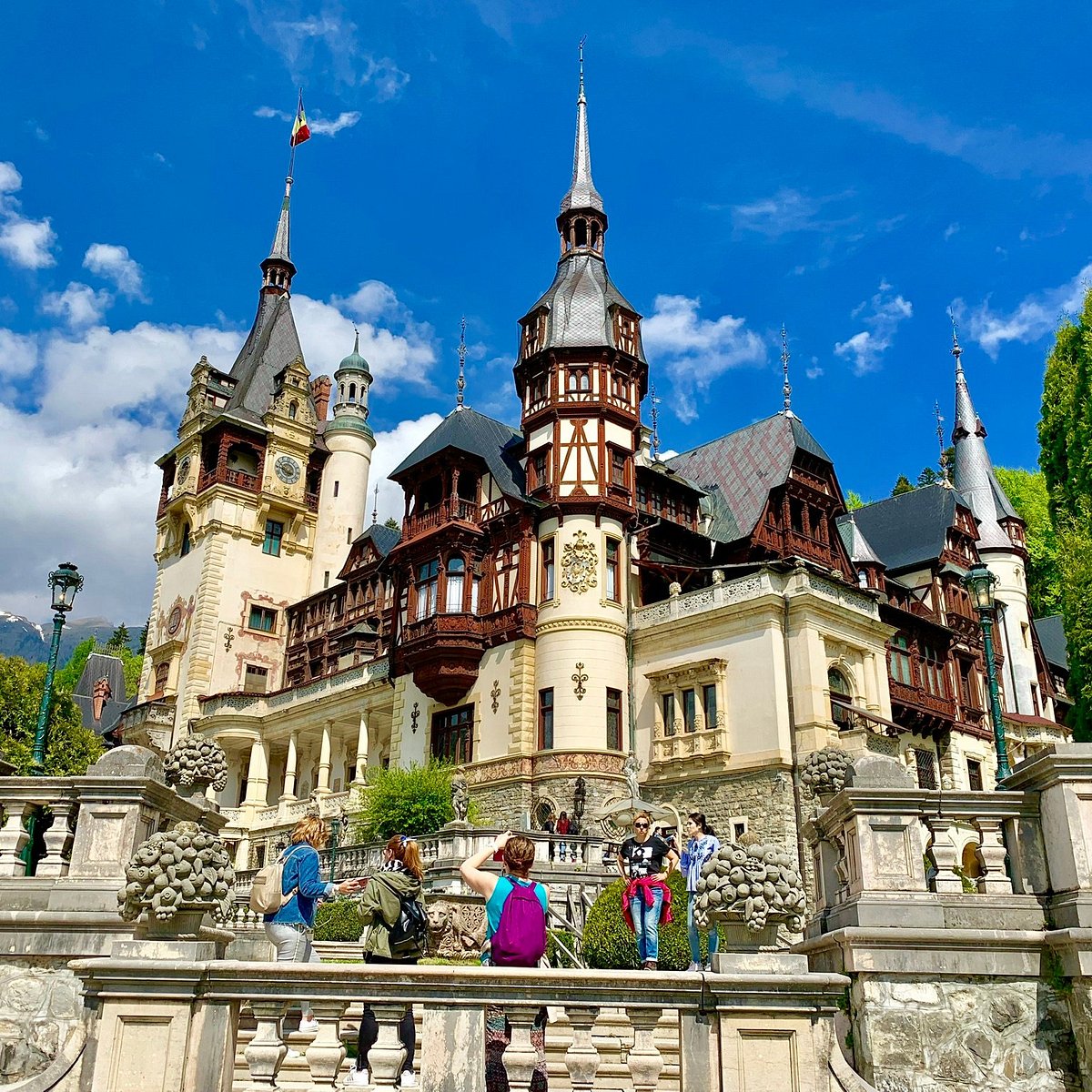
4. Peleș Castle: Peleș Castle is a magnificent royal palace located in the town of Sinaia, Romania. It is considered one of the most beautiful castles in Europe and a prime example of Neo-Renaissance architecture. Here are some key features and information about Peleș Castle: Architecture and Design: Peleș Castle was built between 1873 and 1914 as a summer residence for the Romanian royal family, under the reign of King Carol I. The castle's architectural style blends elements of Gothic Revival, Renaissance, and Baroque styles, creating a captivating and intricate design. The exterior features ornate facades, turrets, and towers, while the interior boasts opulent decorations, lavish furnishings, and intricate woodcarvings. Castle Interior: Visitors to Peleș Castle can explore several opulently decorated rooms, including the Grand Armory Hall, the Council Hall, the Royal Library, the Music Room, and the Imperial Suite. The castle's interior is adorned with luxurious materials such as marble, silk, and gold accents. The rooms showcase an impressive collection of art, including paintings, sculptures, and decorative objects from various periods. Pelisor Castle: Adjacent to Peleș Castle is Pelisor Castle, which was built as a residence for King Ferdinand I and Queen Marie. Pelisor Castle has its own unique charm and features Art Nouveau elements, including delicate stained glass windows and intricate woodwork. Surrounding Grounds: Peleș Castle is situated in the picturesque Carpathian Mountains, surrounded by a beautiful parkland. The park features manicured gardens, fountains, and statues, providing a serene and enchanting atmosphere. Visitors can take leisurely walks and enjoy the stunning natural scenery. Museum: Peleș Castle now serves as a museum, allowing visitors to explore its opulent rooms and learn about the history of the Romanian royal family. The museum displays a wide range of historical artifacts, including furniture, weaponry, paintings, and other treasures collected by the royal family over the years. Peleș Castle stands as a testament to Romania's rich history and royal heritage. Its architectural splendor, stunning setting, and well-preserved interior make it a popular destination for tourists and a must-see attraction in Romania.

5. Danube Delta: The Danube Delta is a unique and biodiverse ecosystem located in eastern Romania, where the Danube River flows into the Black Sea. It is one of the largest and best-preserved river deltas in Europe, covering an area of approximately 4,152 square kilometers (1,601 square miles). Here's what you should know about the Danube Delta: Natural Beauty: The Danube Delta is renowned for its natural beauty and picturesque landscapes. It consists of a complex network of channels, lakes, marshes, and sandbanks, forming a maze-like wetland paradise. The delta's scenic beauty is enhanced by its rich biodiversity, with a vast array of plant and animal species. Biodiversity and Wildlife: The Danube Delta is a haven for wildlife and is home to more than 300 species of birds, making it one of the most important bird-watching destinations in Europe. Visitors may spot various bird species, including pelicans, herons, egrets, cormorants, and many more. The delta is also inhabited by numerous fish species, such as pike, carp, and sturgeon, along with mammals like wild boars, otters, and foxes. Flora and Vegetation: The delta is characterized by diverse flora and vegetation. It is home to over 1,200 species of plants, including water lilies, reeds, willows, and floating meadows. The abundant vegetation provides essential habitats for many species of birds, fish, and other wildlife. Boat Tours and Nature Exploration: Exploring the Danube Delta is best done by taking boat tours or hiring local fishermen as guides. There are various options available, ranging from short trips to multi-day excursions. These tours allow visitors to navigate through the labyrinth of waterways, observe wildlife, visit traditional fishing villages, and experience the tranquility of the delta's untouched natural environment. UNESCO Biosphere Reserve: The Danube Delta is designated as a UNESCO Biosphere Reserve, recognizing its ecological importance and the need for its preservation. Efforts are in place to protect its delicate ecosystem, ensuring the sustainability of the delta's biodiversity and promoting responsible tourism practices. Visiting the Danube Delta offers a unique opportunity to immerse oneself in nature, witness a stunning array of wildlife, and appreciate the delicate balance of this remarkable ecosystem. It is a must-visit destination for nature enthusiasts, bird-watchers, and those seeking a peaceful and unspoiled natural environment.


Saturday, May 13, 2023

Welcome to Poland (The Land of Fields)

 Welcome to Poland

Poland, officially known as the Republic of Poland, is a country located in Central Europe. Here are some key points about Poland: Geography: Poland is bordered by Germany to the west, the Czech Republic and Slovakia to the south, Ukraine, and Belarus to the east, and Lithuania and Russia (Kaliningrad Oblast) to the northeast. It has a coastline along the Baltic Sea to the north. Capital and Largest City: Warsaw is the capital and largest city of Poland. Other major cities include Kraków, Łódź, Wrocław, and Poznań. History: Poland has a rich and complex history that dates back to the early medieval period. It was once one of the largest and most powerful countries in Europe but experienced territorial losses, partitions, and foreign occupation throughout its history. Poland regained its independence in 1918 after World War I. Government: Poland is a parliamentary republic with a president as the head of state and a prime minister as the head of government. The country follows a multi-party system. Economy: Poland has a diverse and rapidly developing economy. It is classified as a high-income country by the World Bank. Key sectors of the Polish economy include manufacturing, services, information technology, agriculture, and tourism. EU and NATO: Poland is a member of the European Union (EU) and NATO (North Atlantic Treaty Organization). It joined the EU in 2004 and NATO in 1999. Culture and Language: Polish is the official language of Poland. The country has a rich cultural heritage, including contributions to literature, music, art, and cinema. Polish cuisine is known for dishes like pierogi (dumplings), kielbasa (sausage), and bigos (hunter's stew). Tourism: Poland offers a variety of tourist attractions. Popular destinations include the historic city of Kraków with its UNESCO World Heritage-listed Old Town and Wawel Castle, the capital city Warsaw, the Wieliczka Salt Mine, the picturesque city of Gdańsk on the Baltic Sea coast, and the natural beauty of the Tatra Mountains. Religion: The majority of the Polish population identifies as Roman Catholic and the Catholic Church plays a significant role in Polish society and culture. Notable Personalities: Poland has been home to several notable individuals in various fields, including Marie Curie (Nobel laureate in physics and chemistry), Nicolaus Copernicus (astronomer), Lech Wałęsa (former president and Nobel Peace Prize laureate), and Andrzej Wajda (renowned film director). Please note that the information provided is up to date as of my knowledge cutoff in September 2021, and there may have been developments or changes since then.


Poland offers a wide range of tourist attractions and beautiful destinations. While it's challenging to narrow it down to just five, here are five popular and highly visited places in Poland: 

1. Kraków: Kraków is one of the most popular and culturally significant cities in Poland. Here's some more information about Kraków: Historic Old Town: The historic center of Kraków, known as the Old Town (Stare Miasto), is a UNESCO World Heritage site. It is renowned for its beautifully preserved medieval architecture, charming cobblestone streets, and picturesque squares. The Main Market Square (Rynek Główny) is the heart of the Old Town and one of the largest medieval squares in Europe. Wawel Castle: Located on a hill overlooking the Vistula River, Wawel Castle is a historic royal residence and a symbol of Polish national identity. It served as the residence of Polish kings and queens for centuries. The castle complex includes the stunning Wawel Cathedral, where many Polish monarchs are buried. St. Mary's Basilica: Situated in the Main Market Square, St. Mary's Basilica (Kościół Mariacki) is an iconic Gothic church. It is known for its exquisite interiors, including the magnificent altarpiece by Veit Stoss, considered one of the masterpieces of European medieval art. Visitors can also climb the church tower for panoramic views of the city. Jewish Quarter (Kazimierz): Kraków's Jewish Quarter, known as Kazimierz, is a vibrant and culturally rich neighborhood. It has a fascinating history as the historical center of Jewish life in Kraków. Today, Kazimierz is filled with trendy cafes, art galleries, and Jewish heritage sites, including the Remuh Synagogue and the Old Jewish Cemetery. Auschwitz-Birkenau: While not technically located in Kraków, Auschwitz-Birkenau is an important historical site and a somber reminder of the Holocaust. Located about an hour's drive from Kraków, this former Nazi concentration and extermination camp is now a museum and memorial, allowing visitors to learn about the atrocities committed during World War II. Cultural Events and Festivals: Kraków is known for its vibrant cultural scene and hosts numerous festivals throughout the year. The most famous is the annual International Cultural Festival, which showcases music, dance, theater, and art from around the world. The Kraków Christmas Market and the Jewish Culture Festival are also popular events. Cuisine: Kraków offers a diverse culinary scene with traditional Polish dishes and international flavors. You can try local specialties such as pierogi (dumplings), bigos (hunter's stew), and Barzani (traditional Polish pretzels). The city is also known for its lively nightlife with many bars, clubs, and pubs. Kraków's rich history, stunning architecture, and cultural heritage make it a must-visit destination in Poland. Whether you explore its historic sites, immerse yourself in its vibrant culture, or savor its delicious cuisine, Kraków offers a memorable experience for travelers.

2. Warsaw: Warsaw is the capital and largest city of Poland, located in the east-central part of the country. Here's some information about Warsaw: History and Architecture: Warsaw has a rich and complex history. The city was heavily affected by World War II, with significant damage to its historic buildings. However, extensive reconstruction efforts after the war restored many of its architectural gems, including the picturesque Old Town (Stare Miasto) and the Royal Castle, both UNESCO World Heritage sites. The city also features a mix of architectural styles, ranging from Gothic and Renaissance to Baroque and Modernist. Warsaw Uprising and Museums: Warsaw played a pivotal role in World War II, and the Warsaw Uprising of 1944 is a significant event in its history. The Warsaw Uprising Museum provides an immersive experience, detailing the heroic efforts of the Polish resistance against the German occupation. Other notable museums in Warsaw include the POLIN Museum of the History of Polish Jews, which explores the rich Jewish heritage of the city, and the Museum of Warsaw, showcasing the history and culture of the city. Royal Lazienki Park: Lazienki Park is a beautifully landscaped park in Warsaw, spanning over 76 hectares. The park features stunning gardens, pavilions, and the iconic Palace on the Water (Lazienki Palace). It's a popular spot for leisurely walks, concerts, and cultural events. Visitors can also enjoy the famous Chopin concerts held at the Chopin Monument in the park during the summer months. Modern Warsaw: As the capital city, Warsaw is a bustling center of business, politics, and culture. The city boasts a modern skyline with several skyscrapers, including the Palace of Culture and Science, a landmark building that offers panoramic views of the city. Warsaw also has numerous shopping centers, theaters, art galleries, and a vibrant nightlife scene. Wilanów Palace: Wilanów Palace is a magnificent Baroque palace located in the southern part of Warsaw. It is surrounded by beautiful gardens and serves as a museum showcasing Polish art and historical artifacts. The palace and its grounds provide a glimpse into the grandeur of Polish aristocratic life. Vistula River and Boulevards: The Vistula River flows through Warsaw, offering scenic views and recreational opportunities. The riverbanks are lined with parks, promenades, and lively bars and restaurants. The Vistula Boulevards provide a great place for leisurely strolls, bike rides, or enjoying a picnic while admiring the cityscape. Cultural Events: Warsaw is known for its vibrant cultural scene, hosting numerous festivals, concerts, and events throughout the year. The Warsaw International Film Festival, Warsaw Summer Jazz Days, and the Warsaw Autumn International Festival of Contemporary Music are just a few examples of the city's diverse cultural offerings. Warsaw is a dynamic city that beautifully blends its rich history with modern developments. With its historical sites, museums, green spaces, and cultural events, Warsaw offers a compelling experience for visitors interested in exploring the capital city of Poland.

3. Wrocław: Wrocław, pronounced "cross-what," is a vibrant city located in western Poland. Known for its picturesque architecture, lively atmosphere, and rich cultural heritage, Wrocław offers a range of attractions. Here's more information about Wrocław: Market Square (Rynek): The Market Square in Wrocław is one of the largest town squares in Europe and the centerpiece of the city. Lined with colorful buildings and adorned with beautiful facades, the square is a lively gathering place with numerous restaurants, cafes, and shops. The Gothic-style Old Town Hall, located in the square, houses the Museum of Burgher Art. Gothic Architecture: Wrocław is renowned for its stunning Gothic architecture. The Wrocław Cathedral, also known as the Cathedral of St. John the Baptist, is a prominent landmark with its impressive twin towers. Other notable Gothic buildings include the Church of Our Lady on the Sand and the Holy Cross Church. Ostrów Tumski: Ostrów Tumski, also known as Cathedral Island, is the oldest part of Wrocław and a historic and cultural hub. It is home to the Wrocław Cathedral, which dates back to the 10th century and is an architectural masterpiece. Ostrów Tumski offers a charming atmosphere with its narrow streets, charming houses, and scenic views of the Oder River. Centennial Hall: Centennial Hall (Hala Stulecia) is a UNESCO-listed site and an architectural marvel. Built-in 1913, it is one of the earliest examples of reinforced concrete structures. The hall hosts various cultural events, concerts, and exhibitions and is surrounded by the beautiful Wrocław Pergola and the tranquil Szczytnicki Park. Dwarf Statues: Wrocław is known for its dwarf statues scattered throughout the city. These small bronze statues, each with its unique theme and character, have become a symbol of the city. Hunting for the dwarf statues has become a popular activity for visitors exploring Wrocław's streets and alleys. Wrocław University: Wrocław is home to one of the oldest and most prestigious universities in Central Europe, the University of Wrocław. Founded in 1702, the university's main building is an architectural gem and is worth a visit. The university adds to the youthful and intellectual vibe of the city. Cultural Events and Festivals: Wrocław hosts numerous cultural events and festivals throughout the year. The Wrocław Good Beer Festival, Era New Horizons International Film Festival, and the International Wratislavia Cantans Festival are just a few examples of the city's vibrant cultural scene. Wrocław's Islands and Bridges: Wrocław is known as the "City of 12 Islands" due to its location on the Oder River and the numerous islands within the city limits. The picturesque Tumski Bridge, adorned with padlocks left by couples as a symbol of their love, is a popular spot for romantic walks and offers scenic views of the city. Wrocław's historical charm, diverse architecture, and cultural offerings make it a fascinating destination in Poland. Whether exploring its medieval streets, enjoying cultural events, or admiring its Gothic masterpieces, Wrocław offers a memorable experience for visitors. 

4. Gdańsk: Gdańsk, located on the Baltic Sea coast in northern Poland, is a historic port city with a rich maritime heritage. Here's some information about Gdańsk: Old Town: Gdańsk's Old Town (Stare Miasto) is a beautifully preserved medieval city center and one of the most iconic and visited areas in the city. The streets are lined with colorful, meticulously restored buildings, Gothic-style churches, and historic landmarks. The highlight of the Old Town is the iconic Crane (Żuraw), a medieval port crane that once played a crucial role in the city's maritime trade. Long Market: The Long Market (Długi Targ) is the main thoroughfare of Gdańsk's Old Town. It is a bustling pedestrian street adorned with magnificent townhouses featuring elaborate facades. At the center of the Long Market stands the Neptune Fountain, a symbol of the city. St. Mary's Church: St. Mary's Church (Bazylika Mariacka) is one of the largest brick churches in the world and an architectural masterpiece. Its towering Gothic spires dominate the city's skyline. Inside, visitors can admire stunning stained glass windows and the Astronomical Clock. Solidarity Movement and European Solidarity Centre: Gdańsk played a significant role in the history of Poland's struggle for freedom and democracy. It was the birthplace of the Solidarity movement in the 1980s, which played a pivotal role in the collapse of communism in Eastern Europe. The European Solidarity Centre is a museum and cultural institution that commemorates this important chapter in Polish history. Westerplatte: Located at the entrance to the Gdańsk harbor, Westerplatte is a historic site that marks the starting point of World War II. It was here that the first shots of the war were fired when the Polish garrison defended against the German attack in 1939. Today, visitors can explore the memorial and the remnants of the fortifications. Gdańsk Shipyard: The Gdańsk Shipyard is another significant site associated with the Solidarity movement. It was here that the shipyard workers, led by Lech Wałęsa, went on strike in 1980, demanding labor rights and political reform. The shipyard is now a symbol of the struggle for democracy and houses the European Solidarity Centre. Amber: Gdańsk is renowned for its connection to amber, often referred to as the "Gold of the North." Amber jewelry, souvenirs, and artwork can be found throughout the city. The Amber Museum, located in the Gothic-style Prison Tower, showcases the history and significance of this precious gemstone. Baltic Sea Coast: Gdańsk's location on the Baltic Sea provides access to beautiful sandy beaches. The nearby seaside resort of Sopot is known for its long pier, vibrant atmosphere, and spa facilities. Gdynia, another neighboring city, offers modern port facilities and a thriving cultural scene. Gdańsk's rich history, stunning architecture, and maritime heritage make it a captivating destination in Poland. Whether exploring its medieval streets, visiting historic landmarks, or enjoying the coastal atmosphere, Gdańsk offers a unique and memorable experience for visitors.


5. Zakopane: Zakopane is a charming town located in the southern part of Poland, nestled in the Tatra Mountains. Known as the winter capital of Poland, Zakopane attracts visitors year-round with its stunning natural scenery and a vibrant local culture. Here's some information about Zakopane: Tatra Mountains: Zakopane is the gateway to the Tatra Mountains, the highest mountain range in Poland. The area offers breathtaking alpine landscapes, including towering peaks, deep valleys, and crystal-clear mountain lakes. Hiking and trekking enthusiasts can explore numerous trails, ranging from easy walks to more challenging climbs. The popular hiking route to Morskie Oko, a picturesque mountain lake, is a must-visit. Gubałówka: Gubałówka is a popular hill overlooking Zakopane, accessible by a funicular railway. Visitors can take a ride up the hill to enjoy panoramic views of the town and the surrounding mountains. Gubałówka also offers various activities, including skiing, snowboarding, and tobogganing during the winter season. Krupówki Street: Krupówki Street is the main pedestrian thoroughfare in Zakopane and the heart of the town's social and commercial life. The street is lined with numerous shops, restaurants, cafes, and traditional wooden stalls selling local crafts and souvenirs. It's a great place to immerse yourself in the local atmosphere and try regional delicacies. Wooden Architecture: Zakopane is known for its distinctive wooden architecture, characterized by traditional highland-style houses called "drewnianki." These charming structures feature intricate woodwork, decorative motifs, and steeply sloping roofs. The best place to admire Zakopane's wooden architecture is in the historic area of Krzeptówki. Goral Culture: The local culture of Zakopane is deeply rooted in the Goral ethnic group, who are the indigenous people of the Tatra region. Visitors can experience the Goral culture through traditional music, dances, and delicious regional cuisine. The town's lively folk performances, known as "Goralskie Ochoty," are a popular attraction. Thermal Spas: Zakopane is home to several thermal spas and wellness centers, offering relaxation and rejuvenation. The warm mineral-rich waters provide a soothing experience after a day of hiking or skiing. The Terma Bania and Chochołowskie Thermal Baths are among the popular choices for relaxation and wellness. Skiing and Winter Sports: Zakopane is a popular destination for winter sports enthusiasts. The town offers excellent skiing and snowboarding facilities, with several ski resorts catering to different skill levels. Kasprowy Wierch and Gubałówka are popular ski areas in Zakopane. Tatra National Park: The Tatra National Park, located near Zakopane, is a UNESCO Biosphere Reserve and a haven for nature lovers. The park is home to diverse flora and fauna, including rare species such as the Tatra chamois. Visitors can explore the park's trails, go rock climbing, or simply enjoy the pristine natural surroundings. Zakopane's combination of natural beauty, cultural heritage, and outdoor activities make it a sought-after destination in Poland. Whether you're an outdoor enthusiast, a lover of traditional culture, or seeking relaxation in a serene mountain setting, Zakopane has something to offer for everyone.


Friday, May 12, 2023

Welcome to Hungary (Land of Magyars)

 Welcome to Hungary 

Hungary is a landlocked country located in Central Europe. It is known for its rich history, stunning architecture, thermal baths, and vibrant cultural scene. Here's some more information about Hungary: Budapest: Budapest, the capital and largest city of Hungary, is a major tourist destination. The city is divided by the Danube River and is famous for its historic landmarks, including Buda Castle, the Hungarian Parliament Building, Fisherman's Bastion, and St. Stephen's Basilica. The city also offers a wealth of cultural attractions, thermal baths, and lively nightlife. Hungarian Parliament Building: The Hungarian Parliament Building in Budapest is an iconic landmark and one of the most beautiful parliamentary buildings in the world. Its architecture is a blend of Gothic, Renaissance, and Baroque styles. Visitors can take guided tours of the building to explore its ornate interiors and learn about Hungarian politics and history. Lake Balaton: Lake Balaton, often referred to as the "Hungarian Sea," is the largest freshwater lake in Central Europe and a popular summer resort destination. The lake offers opportunities for swimming, sailing, and other water sports. The area surrounding the lake also boasts charming villages, vineyards, and thermal spas. Hungarian Cuisine: Hungarian cuisine is known for its hearty and flavorful dishes. Goulash, a traditional Hungarian stew, is one of the most famous dishes. Other popular dishes include lángos (fried bread), chimney cake (sweet pastry), and kürtőskalács (chimney cake). Hungarian wines, particularly Tokaji and Bull's Blood, are also well-regarded. Thermal Baths: Hungary is famous for its thermal baths, and Budapest is home to several renowned bathhouses. The Széchenyi Thermal Bath and Gellért Baths are among the most popular. These baths offer a relaxing and rejuvenating experience with their thermal pools, saunas, and spa treatments. Historic Towns: Hungary has several well-preserved historic towns that are worth visiting. Some notable examples include Eger, known for its castle and wine production, Szentendre with its charming streets and art galleries, and Pécs, a city known for its rich history and Roman heritage. Music and Festivals: Hungary has a vibrant music and festival scene. The Sziget Festival in Budapest is one of the largest music festivals in Europe, attracting international artists and visitors from around the world. The Budapest Spring Festival and the Budapest Summer Festival showcase classical music, opera, and ballet performances. Danube Bend: The Danube Bend is a scenic area in northern Hungary where the Danube River curves sharply. The region offers picturesque landscapes, charming towns such as Visegrád and Esztergom, and historical attractions like Visegrád Castle. These are just a few highlights of what Hungary has to offer. The country's rich cultural heritage, natural beauty, and warm hospitality make it an appealing destination for travelers. Whether you're interested in history, architecture, cuisine, or relaxation, Hungary has something to offer for everyone.


Here are five of the most visited places in Hungary: 

1. Budapest: Budapest is the capital and largest city of Hungary, situated on the banks of the Danube River. It is a vibrant and historic city that offers a mix of stunning architecture, rich history, thermal baths, cultural attractions, and a lively atmosphere. Here's more information about Budapest: Hungarian Parliament Building: The Hungarian Parliament Building is an iconic landmark and one of the most impressive parliamentary buildings in the world. It showcases a magnificent blend of Gothic and Renaissance architectural styles. Visitors can take guided tours to explore the interior and admire the grandiose halls, the Hungarian Crown Jewels, and the stunning views of the Danube River. Buda Castle and Castle Hill: Buda Castle is a historic castle complex located on Castle Hill, offering panoramic views of the city. The complex includes the Royal Palace, Matthias Church, and the Fisherman's Bastion, which is known for its fairy-tale-like turrets and panoramic views. Visitors can explore the medieval streets, visit museums, and enjoy the charming atmosphere of this UNESCO World Heritage site. Thermal Baths: Budapest is famous for its thermal baths, which are an integral part of the city's culture and history. Széchenyi Thermal Bath, Gellért Baths, and Rudas Baths are among the most popular ones. These thermal baths offer a relaxing and rejuvenating experience with their various indoor and outdoor pools, saunas, steam rooms, and spa treatments. Chain Bridge and Danube Promenade: The Chain Bridge is an iconic symbol of Budapest and connects the Buda and Pest sides of the city. Walking across the bridge provides stunning views of the Danube River and the cityscape. The Danube Promenade along the riverbank is a popular spot for leisurely walks, with beautiful views of Castle Hill and the Hungarian Parliament Building. Heroes Square and City Park: Heroes' Square is a monumental square that pays tribute to Hungarian history and culture. It features statues of national heroes and the iconic Millennium Monument. Nearby, City Park offers green spaces, a boating lake, the Vajdahunyad Castle, and the Széchenyi Thermal Bath. The park is a popular spot for outdoor activities and relaxation. St. Stephen's Basilica: St. Stephen's Basilica is a magnificent neoclassical church named after Hungary's first king. Visitors can admire its grand architecture, climb to the dome for panoramic views of the city, and view the mummified hand of St. Stephen, the country's patron saint. Great Market Hall: The Great Market Hall is a bustling and colorful indoor market, offering a wide range of fresh produce, local products, and Hungarian specialties. It's a great place to sample traditional Hungarian cuisine, buy souvenirs, and experience the lively atmosphere of a Hungarian market. Budapest's unique blend of history, culture, thermal baths, and architectural beauty makes it a captivating destination for travelers. Whether exploring its iconic landmarks, relaxing in the thermal baths, or enjoying the vibrant nightlife, Budapest offers a memorable experience for visitors.

2. Lake Balaton: Lake Balaton is the largest freshwater lake in Central Europe and a popular tourist destination in Hungary. Located in the Transdanubian region, it offers a combination of natural beauty, recreational activities, and charming lakeside towns. Here's more information about Lake Balaton: Beaches and Watersports: Lake Balaton is known for its beautiful beaches, making it a perfect destination for swimming, sunbathing, and water activities. The lake's shallow waters and sandy shores are particularly appealing for families with children. Visitors can enjoy activities such as sailing, windsurfing, kayaking, and fishing on the lake. Thermal Spas: The Lake Balaton region is home to several thermal spas, which offer relaxation and wellness experiences. These spas utilize the lake's thermal waters rich in minerals, providing therapeutic and rejuvenating treatments. The Hévíz Thermal Lake, located near the western end of the lake, is the largest natural thermal lake in Europe and a popular attraction. Wine Region: The area surrounding Lake Balaton is renowned for its wine production. The region's mild climate and fertile soil make it ideal for vineyards. Visitors can explore the charming wine towns of Badacsony, Balatonfüred, and Csopak, where they can taste a variety of local wines, including the famous Balaton white wines. Tihany Peninsula: The Tihany Peninsula is a picturesque area on the northern shore of Lake Balaton. It is known for its stunning views, lavender fields, and the Benedictine Abbey of Tihany, which dates back to the 11th century. The peninsula offers scenic hiking trails, panoramic viewpoints, and a charming village with traditional houses and artisanal shops. Festivals and Events: Lake Balaton hosts various festivals and events throughout the year. The Balaton Sound music festival in Zamárdi attracts international DJs and electronic music enthusiasts. The Keszthely Wine Festival and the Tihany Lavender Festival showcase the region's wine and lavender production, respectively. These events add to the vibrant atmosphere and entertainment options around the lake. Szigliget Castle: Szigliget Castle is a medieval fortress located on the northern shore of Lake Balaton. It offers panoramic views of the lake and the surrounding countryside. Visitors can explore the castle ruins and learn about its history and significance as a defensive stronghold. Balaton Uplands National Park: The Balaton Uplands National Park is a protected area encompassing the northern shore of Lake Balaton and the surrounding hills. It offers diverse flora and fauna, scenic landscapes, and numerous hiking trails. The park is a great destination for nature lovers, providing opportunities for birdwatching, cycling, and exploring the countryside. Lake Balaton's combination of natural beauty, recreational activities, wine production, and cultural attractions make it a popular destination for both locals and tourists. Whether you're seeking relaxation, outdoor adventures, or cultural experiences, Lake Balaton offers something for everyone.

3. Eger: Eger is a historic town located in northern Hungary, known for its rich history, charming architecture, and renowned wine production. It is a popular tourist destination that offers a mix of cultural attractions, thermal baths, and scenic beauty. Here's more information about Eger: Eger Castle: The Eger Castle is a prominent landmark in the town, known for its role in defending Hungary against the Ottoman Empire in the 16th century. Visitors can explore the castle complex, which includes the Bishop's Palace, the medieval fortress walls, and the Eger Castle Museum. From the top of the castle, you can enjoy panoramic views of the town and surrounding countryside. Eger Basilica: The Eger Basilica, also known as the Cathedral Basilica of St. John the Apostle, is a grand neoclassical church located in the heart of Eger. It is one of the largest and most impressive churches in Hungary, featuring beautiful frescoes, statues, and ornate interior decorations. Visitors can admire the architecture, attend mass, and enjoy the peaceful atmosphere. Dobó Square: Dobó Square is the main square in Eger and the vibrant heart of the town. It is named after the Hungarian hero István Dobó, who played a significant role in the defense of Eger against the Ottoman Empire. The square is lined with historic buildings, shops, restaurants, and outdoor cafes, making it a lively and enjoyable place to stroll and relax. Eger Wine Region: Eger is renowned for its wine production, particularly its red wine called "Egri Bikavér" or Bull's Blood. The town and its surrounding area are dotted with vineyards and wineries, offering visitors the opportunity to taste a variety of local wines. Wine enthusiasts can visit the wine cellars, participate in wine tastings, and learn about the wine-making traditions of the region. Eger Thermal Baths: Eger is home to several thermal baths, providing relaxation and wellness experiences. The most famous thermal bath in Eger is the Turkish-style Eger Turkish Baths, which dates back to the 17th century. Visitors can enjoy the thermal pools, steam rooms, saunas, and various spa treatments for rejuvenation and healing. Szépasszonyvölgy (Valley of the Beautiful Women): Located on the outskirts of Eger, Szépasszonyvölgy is a picturesque wine valley where many wineries are located. Visitors can explore the cellars, taste local wines, and enjoy the tranquil surroundings. The valley is a popular spot for wine lovers and offers a unique atmosphere for relaxation and wine tourism. Eger's rich history, beautiful architecture, wine culture, and thermal baths make it a captivating destination in Hungary. Whether you're interested in history, wine, relaxation, or exploring charming streets, Eger offers a delightful experience for visitors.


4. Szentendre: Szentendre is a charming town located near Budapest, Hungary, and is a popular day trip destination from the capital city. Known for its picturesque streets, colorful buildings, and vibrant art scene, Szentendre offers a unique atmosphere and a rich cultural experience. Here's more information about Szentendre: Mediterranean Atmosphere: Szentendre has a distinct Mediterranean feel with its cobblestone streets, colorful houses, and lively squares. The town's architecture is influenced by Serbian, Baroque, and Rococo styles, creating a unique and enchanting ambiance. Visitors can wander through the narrow streets, explore the hidden corners, and enjoy the relaxed atmosphere of this charming riverside town. Art Galleries and Museums: Szentendre is often referred to as the "Artist's Village" due to its thriving art scene. The town is home to numerous art galleries, museums, and workshops that showcase a wide range of artistic styles, including traditional and contemporary art. The Open-Air Ethnographic Museum is a popular attraction, offering insight into Hungarian folk culture and traditional architecture. Serbian Orthodox Church: Szentendre has a significant Serbian community, and the Serbian Orthodox Church is one of the town's notable landmarks. The church features stunning frescoes and an ornate interior, reflecting the town's Serbian heritage. Marzipan Museum: Szentendre is also known for its marzipan museum, which displays intricate sculptures made entirely out of marzipan, a sweet almond paste. Visitors can admire the impressive creations and even take part in marzipan-making workshops. Danube River Promenade: The town's riverside promenade along the Danube River offers beautiful views and a tranquil setting. Visitors can take leisurely walks along the waterfront, relax at outdoor cafes, and enjoy the scenic surroundings. Boat tours along the Danube River are also available, providing a different perspective of the town and its surroundings. Local Crafts and Souvenirs: Szentendre is a great place to shop for unique souvenirs and local crafts. The town is known for its artisan workshops, where visitors can find handmade ceramics, traditional embroidery, jewelry, and other locally crafted products. Festivals and Events: Szentendre hosts various festivals and events throughout the year, adding to its lively atmosphere. The Szentendre Summer Festival showcases Hungarian music, dance, and theater performances. The Pünkösdi Fesztivál (Pentecost Festival) features traditional folk celebrations and crafts. Szentendre's blend of artistic heritage, architectural beauty, and picturesque setting make it a delightful destination for visitors. Whether you're interested in art, history, or simply strolling through charming streets, Szentendre offers a peaceful and enchanting experience.

5. Puszta (Great Hungarian Plain): The Puszta, also known as the Great Hungarian Plain, is a vast and unique landscape that stretches across eastern Hungary. It is characterized by expansive grasslands, meadows, farmlands, and diverse flora and fauna. The Puszta offers visitors a glimpse into Hungary's rural traditions, equestrian culture, and natural beauty. Here's more information about the Puszta: Hortobágy National Park: Hortobágy National Park is the largest protected area in Hungary and a UNESCO World Heritage site. It encompasses a significant part of the Great Hungarian Plain and is home to diverse wildlife, including numerous bird species. Visitors can explore the park's landscapes, wetlands, and meadows, and spot unique bird species such as the great bustard and the eastern imperial eagle. The park also features traditional Hungarian shepherd's huts, known as "csárdas," where visitors can learn about local traditions and enjoy traditional cuisine. Traditional Hungarian Horse Shows: The Puszta is renowned for its equestrian traditions, and visitors have the opportunity to witness traditional Hungarian horse shows. These shows highlight the impressive horsemanship skills of the local herdsmen known as "csikós." The riders showcase their expertise in horseback riding, whip-cracking, and performing daring acrobatic maneuvers. Visitors can also enjoy horse-drawn carriage rides and even try horseback riding themselves. Traditional Csárda Cuisine: Csárdas, traditional Hungarian restaurants, can be found throughout the Puszta region. These establishments serve authentic Hungarian cuisine, including hearty dishes such as goulash, stew, and various meat specialties. Visitors can enjoy a delicious meal while experiencing the warm hospitality and folk music that often accompany these traditional dining experiences. Cultural Events and Festivals: The Puszta hosts various cultural events and festivals throughout the year. One of the most notable events is the annual Hortobágy Bridge Fair, which showcases Hungarian folklore, handicrafts, and traditional music and dance performances. The festival provides an immersive experience of the region's rich cultural heritage. Outdoor Activities: The Puszta offers ample opportunities for outdoor activities and exploration. Visitors can embark on guided nature walks, cycling tours, or birdwatching excursions to discover the diverse flora and fauna of the region. Additionally, the flat and open landscapes make it ideal for horseback riding and horse-drawn carriage tours. The Puszta provides a unique and authentic experience of Hungary's rural traditions, equestrian culture, and natural landscapes. Whether you're interested in witnessing traditional horse shows, exploring the vast grasslands, or indulging in traditional cuisine, the Puszta offers a memorable and immersive experience for visitors.


Welcome to Budapest

Welcome to Budapest  Budapest is the capital and largest city of Hungary, home to about 1.7 million people (around 2.5–3 million in the metr...