Friday, August 18, 2023

Welcome to Vanuatu

 Welcome to Vanuatu
Vanuatu is a country located in the South Pacific Ocean. It is an archipelago made up of approximately 80 islands, known for their stunning natural beauty, diverse cultures, and unique indigenous traditions. The capital city of Vanuatu is Port Vila, situated on the island of Efate. Here are a few key points about Vanuatu: Culture and Language: Vanuatu is known for its rich cultural heritage and linguistic diversity. It is home to numerous indigenous languages, with Bislama, English, and French being the official languages. Customary practices and beliefs remain strong in many communities. Tourism and Natural Beauty: Vanuatu is a popular destination for tourists seeking adventure, natural beauty, and cultural experiences. Visitors can enjoy activities such as snorkeling, scuba diving, hiking, and exploring active volcanoes. Yasur Volcano: One of the country's most iconic attractions is Mount Yasur, an active volcano located on Tanna Island. It is famous for its regular and relatively safe eruptions, making it a unique destination for tourists interested in volcanic activity. Cuisine: Vanuatu's cuisine often features local ingredients such as seafood, tropical fruits, and root crops like yams and taro. Coconut milk is a common ingredient in many dishes. Independence: Vanuatu gained its independence from joint colonial rule by the United Kingdom and France in 1980. It is a member of the United Nations and the Commonwealth of Nations. Cyclones and Natural Disasters: The country is vulnerable to natural disasters, particularly tropical cyclones and earthquakes. These events can have a significant impact on infrastructure and local communities. Economy: Vanuatu's economy relies on agriculture, tourism, and offshore financial services. It has a mix of traditional subsistence farming and modern economic activities. Environmental Conservation: Vanuatu is dedicated to protecting its unique natural environment and has taken steps to promote sustainability and conservation. The country's marine biodiversity is also of global significance.
Vanuatu offers a variety of beautiful and unique places to visit. While preferences vary, here are five popular destinations in Vanuatu that many visitors find captivating: 
1. Port Vila: Port Vila is the capital and largest city of Vanuatu, a small island nation located in the South Pacific Ocean. It is situated on the island of Efate, which is one of the many islands that make up the country. Port Vila is known for its beautiful natural scenery, including stunning beaches, lush forests, and a picturesque harbor. As the capital city, Port Vila serves as the economic, cultural, and administrative center of Vanuatu. It has a diverse population that includes people from various ethnic backgrounds and cultures, contributing to its vibrant atmosphere. The city offers a range of amenities, including hotels, restaurants, markets, and shops, catering to both residents and tourists. Tourism is a significant industry in Port Vila, attracting visitors who come to enjoy the tropical climate, water-based activities, and the opportunity to experience local culture and traditions. Popular attractions in and around Port Vila include Mele Cascades (a series of beautiful waterfalls), Hideaway Island (known for its marine life and snorkeling opportunities), and the Port Vila Market (where you can find local produce, handicrafts, and souvenirs). Please note that my knowledge is based on information available up until September 2021, and there may have been developments or changes since that time.
2. Tanna Island: Tanna Island is one of the many islands that make up the nation of Vanuatu, located in the South Pacific Ocean. It is the second-largest island in Vanuatu and is known for its stunning natural beauty, unique culture, and the active Mount Yasur volcano. Key features and attractions of Tanna Island include: Mount Yasur: This is one of the world's most accessible active volcanoes. Visitors can hike to the rim of the crater and witness its dramatic eruptions, which often include spewing ash and molten lava. It's a popular destination for tourists and a significant cultural and spiritual site for the local Ni-Vanuatu people. Traditional Culture: Tanna Island is known for preserving many traditional customs and ways of life. The island's people, known as the Tannese, are known for their unique customs, dances, and ceremonies. Kastom villages offer opportunities for visitors to learn about and experience traditional Tannese culture. Yakel Village: This village gained international attention through its appearance in the documentary film "Tanna." The villagers maintain traditional practices and ways of life, offering a glimpse into their daily routines, rituals, and social structure. White Grass Ocean Resort: A popular resort on the island that caters to tourists seeking a blend of relaxation and adventure. It's known for its stunning ocean views and its proximity to attractions like Mount Yasur. Lenakel: The main town on Tanna Island, Lenakel is a small settlement that offers basic amenities, including accommodation, shops, and local markets. Blue Cave: This underwater cave is a popular spot for snorkeling and diving. Its crystal-clear waters and vibrant marine life make it a must-visit for water enthusiasts. John Frum Movement: Tanna Island is also famous for the John Frum Movement, a cargo cult that emerged during and after World War II. The movement centers around a belief in the return of a messianic figure, John Frum, who is associated with the delivery of material wealth. Followers engage in rituals and practices based on these beliefs. Tanna Island offers a unique blend of natural beauty, adventure, and cultural experiences, making it a fascinating destination for travelers looking to explore the rich heritage of Vanuatu. However, keep in mind that my knowledge is based on information available up until September 2021, and there may have been developments or changes since then.
3. Espiritu Santo: Espiritu Santo, often simply referred to as Santo, is the largest island in the nation of Vanuatu, located in the South Pacific Ocean. It is known for its stunning landscapes, pristine beaches, vibrant coral reefs, and World War II history. Here are some key features and attractions of Espiritu Santo: Millennium Cave: This is a popular natural attraction on the island. Visitors can hike through lush rainforests and swim in clear pools before reaching the entrance of the cave. Inside, you'll find impressive stalactites and stalagmites, creating a unique and memorable experience. Champagne Beach: Known for its powdery white sand and clear blue waters, Champagne Beach is one of the most beautiful beaches on Santo and is often cited as one of the best beaches in the world. Blue Holes: These are freshwater swimming holes and underwater caves with stunning blue and turquoise colors. They are a popular spot for snorkeling, swimming, and relaxing in a picturesque setting. Luganville: This is the second-largest town in Vanuatu and serves as the main hub on Santo. It offers various services, including accommodation, restaurants, markets, and access to nearby attractions. SS President Coolidge: This wrecked luxury liner is one of the world's largest accessible shipwrecks for divers. It's a popular dive site, attracting underwater enthusiasts to explore its decks, cargo holds, and marine life. Nanda Blue Hole: Another breathtaking blue hole, Nanda Blue Hole offers a serene environment for swimming and relaxing amidst lush surroundings. Million Dollar Point: A historic site where American forces dumped military equipment and supplies after World War II. Today, the area is popular for snorkeling and diving, as you can see remnants of the equipment on the ocean floor. Riri Blue Hole: Yet another stunning blue hole, Riri Blue Hole is known for its crystal-clear waters and peaceful ambiance. Mount Hope Waterfall: A beautiful waterfall surrounded by lush vegetation, providing a tranquil setting for visitors. Espiritu Santo is renowned for its natural beauty, adventure activities, and historical significance, making it a popular destination for travelers seeking both relaxation and exploration. Remember that my knowledge is based on information available up until September 2021, so there may have been developments or changes since then.

4. Ambrym Island: Ambrym Island is another captivating island within the Vanuatu archipelago in the South Pacific Ocean. It is renowned for its unique volcanic landscape, rich cultural heritage, and intriguing spiritual practices. Here are some notable features and attractions of Ambrym Island: Volcanic Activity: Ambrym is famous for its two active volcanoes, Mount Benbow and Mount Marum. These volcanoes are known for their impressive lava lakes and frequent volcanic activity. Hiking to the summit of these volcanoes provides visitors with breathtaking views of the lava lakes and the surrounding landscape. Cultural Immersion: The island is home to diverse and vibrant cultures, including the Ni-Vanuatu people who have maintained their traditional way of life. Visitors have the opportunity to engage with local communities and learn about their customs, art, music, and dances. Rom Dance: Ambrym is known for its unique and mesmerizing Rom dance. This traditional dance is performed by masked dancers who embody ancestral spirits. The dance is an important part of Ambrym's cultural identity and spiritual practices. Nabanga Custom Village: This village offers an authentic experience of traditional Ambrym culture. Visitors can learn about the island's customs, rituals, and way of life while interacting with the local community. Black Magic and Spiritual Beliefs: Ambrym is often associated with black magic and mystical practices. Local beliefs and rituals involving magic and spiritual forces contribute to the island's enigmatic reputation. Twin Waterfalls: These waterfalls are located near Fanla village and are accessible via a scenic hike. The twin cascades provide a refreshing spot for swimming and relaxation. Breathtaking Landscapes: Apart from its volcanic features, Ambrym boasts lush forests, stunning coastlines, and pristine beaches. The island's natural beauty offers opportunities for hiking, nature exploration, and photography. Local Crafts and Art: Ambrym is known for its traditional handicrafts, including carvings and textiles. Visitors can purchase locally made souvenirs and artworks as mementos of their trip. Ambrym Island offers a unique blend of natural wonders, cultural experiences, and spiritual insights, making it an intriguing destination for travelers seeking an off-the-beaten-path adventure. Keep in mind that my knowledge is based on information available up until September 2021, and there may have been developments or changes since then.
5. Pentecost Island: Pentecost Island is another captivating island within the Vanuatu archipelago in the South Pacific Ocean. It is known for its breathtaking landscapes, cultural traditions, and the world-famous land diving ceremony. Here are some notable features and attractions of Pentecost Island: Land Diving Ceremony (Nagol): Pentecost Island is renowned for originating the land diving ceremony, which is considered the precursor to modern bungee jumping. During the ceremony, men construct tall wooden towers and jump from the platforms with vines tied to their ankles. The ritual is believed to ensure a bountiful yam harvest and serves as a rite of passage. The Nagol ceremony takes place annually between April and June and is a unique and thrilling cultural experience. Natural Beauty: Pentecost Island boasts lush jungles, pristine beaches, and stunning coastlines. The island's natural beauty provides opportunities for hiking, exploring waterfalls, snorkeling, and swimming. Customary Villages: Visitors to Pentecost Island have the chance to immerse themselves in traditional Ni-Vanuatu culture by visiting local villages. Interacting with villagers, learning about their customs, and participating in daily activities can provide valuable insights into their way of life. Water Activities: The island's clear waters make it a great destination for snorkeling, scuba diving, and swimming. The coral reefs and marine life are highlights for underwater enthusiasts. Loltong Conservation Area: This protected area on the island aims to preserve its natural environment and cultural heritage. It includes forests, caves, and historical sites. Scenic Views: Pentecost Island offers stunning viewpoints, allowing visitors to take in panoramic views of the surrounding ocean and landscapes. Local Cuisine: Sampling local Ni-Vanuatu cuisine is an integral part of any visit to Pentecost Island. You can enjoy dishes made from locally sourced ingredients, such as tropical fruits, seafood, and root vegetables. Traditional Crafts: The island is known for its craftsmanship, including weaving, carving, and pottery. Visitors can purchase handcrafted souvenirs and artworks as tokens of their experience. Pentecost Island's unique cultural practices, natural beauty, and adventurous activities make it a memorable and off-the-beaten-path destination for travelers seeking an authentic and immersive experience. As always, please note that my knowledge is based on information available up until September 2021, and there may have been developments or changes since then.


Thursday, August 17, 2023

Welcome to Tonga (The Friendly Islands)

 Welcome to Tonga 

Tonga is a Polynesian kingdom and archipelago located in the South Pacific Ocean. It is situated east of Fiji, south of Samoa, and north of New Zealand. The country consists of 169 islands, of which 36 are inhabited. The capital and largest city of Tonga is Nuku'alofa. Here are some key points about Tonga: Culture and Language: Tonga has a rich Polynesian culture and is known for its strong sense of tradition and community. The Tongan language is the official language, and Tongans take pride in their cultural heritage, which includes music, dance, art, and traditional ceremonies. Monarchy: Tonga is a constitutional monarchy with a long history of monarchs. The current King of Tonga is King Tupou VI, who ascended to the throne in 2012. Economy: The economy of Tonga is primarily based on agriculture, fishing, and remittances from Tongan expatriates living overseas. Tourism is also an important industry for the country. Geography and Tourism: Tonga is renowned for its stunning natural beauty, including white sand beaches, clear blue waters, coral reefs, and lush landscapes. These features make it a popular destination for tourists, especially those interested in snorkeling, scuba diving, and other water-based activities. Cyclones and Natural Hazards: Due to its location in the Pacific, Tonga is susceptible to tropical cyclones and other natural hazards. These events can have significant impacts on the country's infrastructure and economy. Religion: The majority of Tongans are Christians, with the Free Wesleyan Church being the dominant denomination. Religion plays an important role in the lives of many Tongans and influences various aspects of society. Cuisine: Traditional Tongan cuisine includes dishes such as lu pulu (meat or fish cooked with coconut milk and spinach), 'ota ika (raw fish salad), and feke (octopus). The use of coconut and root crops is common in Tongan cooking. Sports: Rugby is the most popular sport in Tonga. The Tonga national rugby union team, known as the "Ikale Tahi," has a strong presence in international rugby competitions. Challenges: Tonga faces challenges such as limited natural resources, vulnerability to climate change and rising sea levels, and economic dependence on external aid and remittances. Please note that my information might not be up to date, as my knowledge cutoff date is September 2021.

Tonga is a beautiful and culturally rich destination with many appealing places to visit. While there are more than five noteworthy places in Tonga, here are five popular ones that you might consider exploring: 

1. Nuku'alofa: Nuku'alofa is the capital city of Tonga and is located on the island of Tongatapu, which is the main island of the country. It serves as the political, economic, and cultural center of Tonga. Here are some key features and attractions in Nuku'alofa: Royal Palace: The Royal Palace, also known as the King's Palace, is an iconic landmark in Nuku'alofa. It's the official residence of the King of Tonga and is a significant symbol of the monarchy in the country. Talamahu Market: This bustling market is a great place to experience local life and culture. You can find a variety of fresh produce, handicrafts, clothing, and souvenirs. It's a vibrant spot to explore and interact with the locals. Waterfront: Nuku'alofa has a scenic waterfront area where you can take leisurely strolls along the shoreline. There are often local vendors selling snacks and refreshments, and the view of the ocean is quite relaxing. Centenary Church: The Centenary Church, officially known as the Free Wesleyan Church of Tonga Centenary Church, is an impressive wooden structure with intricate architecture. It's an important religious and historical site in Nuku'alofa. Royal Tombs: Near the Royal Palace, you can find the final resting places of past monarchs of Tonga. The tombs are impressive structures with intricate carvings and designs. Tonga National Cultural Centre: This cultural center provides insights into Tongan history, art, and traditions. It's a great place to learn about the cultural heritage of Tonga through exhibits and displays. St. George Palace: This historic building was once the residence of the British High Commissioner when Tonga was a British protectorate. It now houses government offices. Tupou College: Located in Toloa, a short distance from Nuku'alofa, Tupou College is a prominent educational institution in Tonga. The college has a rich history and plays a significant role in the country's education system. Local Cuisine: Nuku'alofa offers a range of dining options where you can enjoy Tongan cuisine. Try traditional dishes such as 'ota ika (raw fish salad), lu pulu (meat or fish cooked with coconut milk and spinach), and other local delicacies. Craft and Souvenir Shopping: In addition to Talamahu Market, Nuku'alofa has various shops and boutiques where you can purchase Tongan handicrafts, artwork, clothing, and souvenirs. Nuku'alofa provides a blend of historical, cultural, and modern experiences, making it a must-visit destination for anyone exploring Tonga. As always, it's a good idea to check for any travel advisories or updates before your visit.

2. Ha'apai Islands: The Ha'apai Islands are a group of islands located in the central part of the Kingdom of Tonga in the South Pacific Ocean. Known for their stunning natural beauty, clear waters, and relaxed atmosphere, the Ha'apai Islands are a popular destination for travelers seeking a tranquil and authentic Polynesian experience. Here are some highlights of the Ha'apai Islands: Beaches and Snorkeling: The Ha'apai Islands are renowned for their pristine white sand beaches and crystal-clear waters. Snorkeling and swimming in these waters offer the chance to explore vibrant coral reefs and a diverse array of marine life. Uoleva Island: Uoleva Island is a beautiful, untouched paradise known for its unspoiled beaches and laid-back atmosphere. It's a perfect place for beachcombing, swimming, and snorkeling. The island also offers eco-friendly accommodations, making it an ideal destination for travelers seeking a rustic experience. Whale Watching: The Ha'apai Islands are a popular spot for whale watching, especially during the months of July to October. Humpback whales migrate through these waters, and you can often see them breaching and playing near the islands. Nomuka Island: Nomuka Island is known for its stunning coral formations and vibrant marine life. It's a great destination for snorkeling and diving, offering the opportunity to explore underwater caves and swim with tropical fish. Cultural Experiences: The Ha'apai Islands offer opportunities to experience Tongan culture and daily life. You can interact with local villagers, participate in traditional activities, and learn about Tongan customs and traditions. Lifuka Island: Lifuka is the administrative center of the Ha'apai Islands and offers a range of accommodations, restaurants, and services. The island has a relaxed atmosphere and is a good base for exploring the surrounding islands. Hiking and Exploration: The islands are characterized by lush landscapes and coconut palm groves. You can explore the islands on foot, hike to scenic viewpoints, and discover hidden beaches and coves. Fishing and Water Sports: Fishing enthusiasts will find opportunities for deep-sea fishing, reef fishing, and traditional Tongan fishing techniques. Additionally, kayaking and paddleboarding are popular water sports in the area. Kapualei Conservation Area: This protected area on Lifuka Island is dedicated to preserving the unique natural environment of the Ha'apai Islands. It's a great place for birdwatching and observing native flora and fauna. Island Hopping: The Ha'apai Islands consist of several smaller islands, and island hopping is a fantastic way to explore the diverse landscapes and attractions of the region. The Ha'apai Islands offer a serene and unspoiled escape from the more touristy areas of the world, making them a hidden gem for travelers seeking a more authentic and off-the-beaten-path experience. As always, it's recommended to check for any travel advisories or updates before your visit.

3. Vava'u Islands: The Vava'u Islands are a group of islands located in the northern part of the Kingdom of Tonga in the South Pacific Ocean. Known for their stunning landscapes, vibrant coral reefs, and abundant marine life, the Vava'u Islands are a popular destination for travelers seeking both relaxation and adventure. Here are some highlights of the Vava'u Islands: Whale Watching: Vava'u is renowned as one of the best places in the world for whale watching. Humpback whales migrate through these waters from June to November, and visitors have the opportunity to observe these majestic creatures up close on guided boat tours. Swimming with Whales: In addition to whale watching, Vava'u offers a unique opportunity to swim with humpback whales. While regulations ensure the safety and well-being of both humans and whales, this activity provides an unforgettable and intimate encounter with these gentle giants. Neiafu: Neiafu is the main town and administrative center of the Vava'u Islands. It features a charming harbor, local markets, restaurants, and shops. The town provides a glimpse into Tongan daily life and offers a range of accommodations for visitors. Port of Refuge: The Port of Refuge is a sheltered harbor in Neiafu and is known for its calm waters and stunning views. It's a popular spot for yachts and sailboats, making it a hub for sailing enthusiasts. Marine Activities: Vava'u offers exceptional opportunities for snorkeling, scuba diving, and kayaking. The underwater world is teeming with colorful coral reefs, tropical fish, and other marine creatures. Beaches and Coves: The islands are dotted with picturesque beaches and hidden coves. Exploring these shores, either by boat or on foot, is a rewarding experience. Mala Island: Mala Island is a small, uninhabited island near Neiafu. It's a popular destination for day trips, picnics, and snorkeling. The island's beaches and reefs are perfect for relaxation and underwater exploration. Cultural Experiences: Vava'u offers opportunities to engage with Tongan culture and traditions. You can participate in local ceremonies, learn about Tongan handicrafts, and interact with friendly locals. Exploring Caves: Swallows Cave and Mariners Cave are two notable cave systems near Vava'u that can be explored by boat or snorkeling. Mariners Cave, in particular, is unique as it has an underwater entrance leading to an illuminated cavern. Island Hopping: Vava'u is made up of multiple islands, each with its own character and attractions. Island hopping allows you to discover the diverse landscapes and experiences that the region has to offer. The Vava'u Islands provide a perfect blend of natural beauty, adventure, and cultural immersion. As always, it's recommended to check for any travel advisories or updates before your visit, and to respect local customs and regulations while exploring these enchanting islands.

4. Eua Island: 'Eua (pronounced eh-wah) Island is one of the islands in the Kingdom of Tonga, located just to the southeast of the main island of Tongatapu. Known for its rugged terrain, lush rainforests, and unique geological formations, 'Eua offers a different kind of experience compared to other islands in Tonga. Here are some highlights of 'Eua Island: Hiking and Nature Exploration: 'Eua is a paradise for hikers and nature enthusiasts. The island's diverse landscapes include dense rainforests, limestone caves, cliffs, and panoramic viewpoints. The 'Eua National Park offers a range of hiking trails, some of which lead to breathtaking lookout points where you can see the dramatic coastline and the surrounding ocean. Tupou College: 'Eua is home to Tupou College, a prestigious boys' boarding school established by King George Tupou I in the late 19th century. The college's stunning campus features historic buildings and well-maintained gardens. Visitors can appreciate the architecture and learn about the school's significance. Whale Watching: Like other parts of Tonga, 'Eua offers opportunities for whale watching during the humpback whale migration season (June to November). While the island itself doesn't have the deep waters required for swimming with whales, you can still observe these majestic creatures from a respectful distance. Tufuvai: Tufuvai is a unique natural phenomenon on 'Eua. It's a freshwater spring located close to the coast where you can see freshwater mixing with seawater, creating an interesting visual effect. The area around Tufuvai is also great for birdwatching. Anahulu Cave: Anahulu Cave is an impressive limestone cave system on 'Eua. Visitors can explore the cave's chambers, admire the stalactites and stalagmites, and even swim in the freshwater pools within the cave. Local Culture: 'Eua offers a more laid-back and rural lifestyle compared to some of the other Tongan islands. You can experience authentic Tongan village life, interact with friendly locals, and perhaps even participate in traditional activities or ceremonies. Relaxation and Tranquility: If you're seeking a quiet and peaceful getaway, 'Eua is an excellent choice. The island's serene atmosphere, away from the hustle and bustle of more developed areas, provides a unique opportunity to unwind and reconnect with nature. Cultural Heritage: 'Eua has a rich cultural heritage, and you may have the chance to learn about traditional Tongan customs, songs, and dances through interactions with locals. Cave Diving: For experienced divers, 'Eua offers opportunities for cave diving within its limestone cave systems. This activity provides a truly unique underwater experience. Please note that 'Eua Island is less developed in terms of tourism infrastructure compared to some other islands in Tonga, so it's important to be prepared for a more rustic and authentic experience. As always, make sure to check for any travel advisories or updates before your visit.

5. Tongatapu Island: Tongatapu Island is the main and largest island of the Kingdom of Tonga, located in the South Pacific Ocean. It is the political, cultural, and economic center of the country and offers a mix of historical, cultural, and natural attractions. Here are some highlights of Tongatapu Island: Nuku'alofa: The capital city of Tonga, Nuku'alofa, is situated on Tongatapu Island. It is the political and economic hub of the country and offers various attractions, including the Royal Palace, Talamahu Market, and local restaurants. Ancient Monuments: Tongatapu is known for its historical and archaeological sites. The Ha'amonga 'a Maui is a massive stone trilithon believed to have been constructed in the 13th century, and it is often referred to as the "Stonehenge of the Pacific." The Langi tombs are another notable site, consisting of massive stone structures used as royal tombs. Mapu'a 'a Vaea Blowholes: These natural blowholes are located on the southern coast of Tongatapu. When the waves crash against the rocky coastline, water is forced through narrow openings, creating impressive geysers that can shoot water high into the air. Ha'atafu Beach: This beautiful white sand beach is a popular spot for swimming, picnicking, and relaxing. It's a great place to enjoy the ocean and the picturesque surroundings. Hufangalupe Arch: Also known as the "Whale's Tooth," this natural limestone arch is an iconic landmark on Tongatapu. It provides a great photo opportunity and is accessible via a short hike. Anahulu Cave: Anahulu Cave is a limestone cave system that features underground freshwater pools. Visitors can explore the cave's chambers, swim in the pools, and enjoy the cool and unique environment. Tsunami Rock: This massive rock was carried inland by a historic tsunami in 1777 and serves as a reminder of the island's vulnerability to natural disasters. It's located near the village of Kolovai. Cultural Experiences: Tongatapu offers opportunities to experience traditional Tongan culture, including dance performances, local crafts, and Tongan feasts (known as "umu" or "lovo"). Fafa Island: This small, privately owned island is located just off the coast of Tongatapu and offers a tranquil and secluded escape. It's a popular spot for day trips and snorkeling. Local Cuisine: Tongatapu's capital, Nuku'alofa, has a range of dining options where you can enjoy Tongan cuisine, including fresh seafood, tropical fruits, and traditional dishes. Tongatapu Island is rich in history, culture, and natural beauty, making it a diverse and engaging destination for travelers. As always, it's recommended to check for any travel advisories or updates before your visit, and to respect local customs and regulations while exploring the island.


Friday, August 11, 2023

Welcome to Samoa (German Samoa)

 Welcome to Samoa 

Samoa is a country located in the central Pacific Ocean. It consists of two main islands, Upolu and Savai'i, and several smaller islands. It is part of the region known as Polynesia. The capital city of Samoa is Apia. Here are some key points about Samoa: Geography: Samoa is situated about halfway between Hawaii and New Zealand. It is known for its stunning natural beauty, including lush rainforests, volcanic landscapes, and pristine beaches. Culture and Traditions: The Samoan culture is rich and deeply rooted. Traditional practices such as dance, music, and tattooing hold significant importance in Samoan society. The fa'a Samoa, or Samoan way of life, is characterized by strong familial and communal bonds. Language: The official languages of Samoa are Samoan and English. Samoan is widely spoken and is an essential part of the cultural identity. History: Samoa has a complex history involving European exploration and colonization. It was under German control from the late 19th century until World War I, after which New Zealand took over administration until Samoa gained independence in 1962. Economy: The economy of Samoa relies on agriculture, tourism, and remittances from Samoans living abroad. Coconuts, cocoa, and fish products are among the main exports. Religion: Religion plays a significant role in Samoan life, with Christianity being the predominant faith. The majority of Samoans are affiliated with various Christian denominations. Politics: Samoa is a parliamentary democracy with a constitutional monarchy. The head of state is the O le Ao o le Malo (usually referred to as the Head of State), and the Prime Minister is the head of government. Time Zone: Samoa is known for being one of the first places to see the new day due to its location near the International Date Line. It is frequently used as a reference point for time zone calculations. Tourism: Samoa's natural beauty and cultural heritage make it a popular destination for tourists seeking an authentic Polynesian experience. Visitors are drawn to its clear waters, coral reefs, and opportunities for outdoor activities. It's important to note that this information is accurate up to September 2021, and there may have been developments or changes since that time.

As of my last knowledge update in September 2021, here are five of the most popular and visited places in Samoa: 

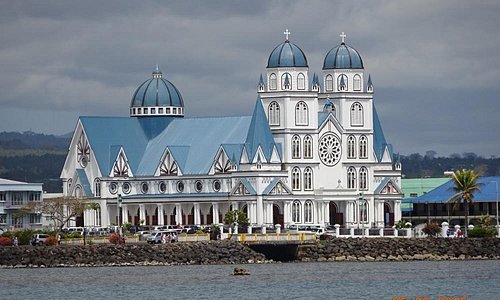
1. Apia: Apia is the capital city of Samoa and serves as a cultural, economic, and political hub for the country. Here are some key features and attractions of Apia: Mulinu'u Peninsula: This historic area is home to important government buildings, including the Parliament House (Fale Fono) and the official residence of the Head of State (O le Ao o le Malo). The peninsula also holds historical significance as the traditional seat of Samoan chieftains. Robert Louis Stevenson Museum: Dedicated to the famous Scottish author Robert Louis Stevenson, who spent the last years of his life in Samoa, this museum offers insights into his life and work. His former residence, known as Vailima, is also a popular attraction. Fugalei Fresh Produce Market: This bustling market is a great place to experience the local culture and sample fresh fruits, vegetables, and other produce. It's an ideal spot to interact with locals and get a taste of everyday life in Samoa. Apia Park: This multi-purpose sports stadium is a central venue for various events, including rugby matches and cultural gatherings. It can accommodate a large number of people and showcases the significance of sports in Samoan culture. Cultural Sites and Churches: Apia features several churches with stunning architecture, reflecting the strong Christian faith of the Samoan people. One notable church is the Immaculate Conception Cathedral, known for its impressive design. Local Crafts and Souvenirs: In and around Apia, you can find numerous shops and markets selling traditional Samoan crafts, clothing, jewelry, and souvenirs. These items provide insight into the local artistry and culture. Apia Park Fish Market: For a taste of Samoa's seafood culture, the fish market at Apia Park is a must-visit. It's a vibrant place where you can find a variety of freshly caught seafood. Nightlife and Restaurants: Apia offers a range of dining options, from local eateries serving Samoan cuisine to international restaurants. The city also has some bars and entertainment venues where you can experience the local nightlife. Apia combines modern amenities with traditional elements, making it a fascinating destination for travelers seeking a blend of cultural experiences, historical insights, and local flavor. Keep in mind that my information is based on data available up to September 2021, so I recommend checking with recent sources for the latest updates on attractions and activities in Apia.

2. To Sua Ocean Trench: The To Sua Ocean Trench is a natural swimming pool located in Lotofaga village on the southern coast of Upolu island in Samoa. "To Sua" means "big hole" in the Samoan language, and this unique attraction lives up to its name. Here's what you need to know about the To Sua Ocean Trench: Natural Wonder: The To Sua Ocean Trench is a large, deep hole in the ground formed by volcanic activity. It is essentially a large sinkhole filled with crystal-clear saltwater, creating a stunning and inviting swimming spot. Swimming and Relaxation: Visitors can access the trench through a series of ladders and platforms that lead down into the water. The trench is surrounded by lush tropical gardens and offers a serene and picturesque environment for swimming and relaxation. Surrounding Area: The trench is part of a larger park area that also features other natural attractions, including blowholes and lava fields. Visitors can explore the rugged coastal landscape and take in the scenic beauty of the area. Cultural Significance: The To Sua Ocean Trench is not only a natural wonder but also holds cultural significance in Samoan tradition. It serves as a reminder of the power and beauty of nature, and it has become a symbol of Samoa's unique landscape. Visiting Tips: The trench is a popular tourist destination, so it's recommended to arrive early in the day to avoid crowds. Visitors should also be prepared for steep stairs and ladders leading down into the trench. It's advisable to bring swimwear, water shoes, and sunscreen. Entrance Fee: There is an entrance fee to access the To Sua Ocean Trench, which helps with the maintenance and preservation of the site. Photography: The trench's mesmerizing beauty and clear blue waters make it a favorite spot for photography. Visitors often capture stunning images of the trench and its surroundings. Experience: Swimming in the To Sua Ocean Trench is a unique and memorable experience, allowing visitors to enjoy the natural beauty of Samoa in a truly remarkable setting. Please note that conditions and availability might have changed since my last update in September 2021. For the most current information, including entrance fees, hours of operation, and visitor guidelines, it's a good idea to check with local tourism authorities or recent travel resources.


3. Papase'ea Sliding Rocks: The Papase'ea Sliding Rocks is another fascinating natural attraction located in Samoa. Here's what you need to know about this unique site: Natural Waterslide: The Papase'ea Sliding Rocks are a series of smooth volcanic rock formations that create a natural waterslide. The rocks are naturally shaped and provide a fun and exhilarating experience as visitors can slide down them into the cool freshwater pools below. Location: The Papase'ea Sliding Rocks are situated in the village of Papase'ea, which is located on Upolu island in Samoa. The site is surrounded by lush tropical vegetation, creating a picturesque and relaxing environment. Adventure and Recreation: The sliding rocks offer a fun and adventurous activity for visitors of all ages. It's a great way to cool off and enjoy a unique natural water feature while immersing yourself in the beauty of Samoa's landscape. Safety and Precautions: While sliding down the rocks can be a thrilling experience, it's important to exercise caution and follow any posted safety guidelines. The rocks can be slippery, so wearing appropriate swimwear and footwear is advisable. Visitors should also be mindful of water depth and take care to avoid injury. Local Culture: Like many natural attractions in Samoa, the Papase'ea Sliding Rocks also hold cultural significance. They are often considered a part of the local folklore and are valued as a natural gift from the environment. Accessibility: The site can be reached by a short hike through the forest, and there are pathways and viewing platforms that provide easy access to the sliding rocks. Visitors can spend time exploring the area, sliding down the rocks, and enjoying the natural surroundings. Entrance Fee: There might be an entrance fee to access the Papase'ea Sliding Rocks, which typically helps with the maintenance and preservation of the site. Visiting Tips: To make the most of your visit, consider bringing swimwear, water shoes, sunscreen, and insect repellent. It's a good idea to check with local authorities or tourism offices for the latest information on operating hours, entrance fees, and any recommended safety measures. As with any natural attraction, conditions and information may have changed since my last update. For the most current and accurate details about the Papase'ea Sliding Rocks, I recommend checking with local sources or recent travel resources before planning your visit.


4. Piula Cave Pool: The Piula Cave Pool is another captivating natural attraction located in Samoa. Here's what you need to know about this unique site: Natural Freshwater Pool in a Cave: The Piula Cave Pool is a freshwater spring that flows into an underground cave, creating a beautiful and serene swimming spot. The pool is surrounded by lush vegetation and volcanic rock formations, making it a picturesque and tranquil setting. Location: The Piula Cave Pool is situated near the Piula Theological College on the northern coast of Upolu island in Samoa. It's a popular destination for both tourists and locals seeking a refreshing swim and a unique natural experience. Cultural Significance: The pool holds cultural significance in Samoan tradition and is often used for baptisms and other ceremonies. It's considered a sacred site, and visitors are encouraged to show respect and mindfulness while enjoying the natural beauty of the area. Swimming and Relaxation: The clear and cool freshwater of the Piula Cave Pool offers a refreshing escape from the tropical heat. Visitors can swim in the pool, relax by the water's edge, and enjoy the peaceful ambiance of the surroundings. Accessibility: The Piula Cave Pool is easily accessible, with paved pathways and steps leading down to the pool area. The site is well-maintained and visitor-friendly, making it suitable for individuals of various ages. Visiting Tips: It's a good idea to bring swimwear, towels, sunscreen, and water shoes. Be respectful of the cultural significance of the site and adhere to any guidelines or regulations provided by local authorities. Entrance Fee: There might be an entrance fee to access the Piula Cave Pool, which typically contributes to the upkeep and preservation of the site. Relaxing Environment: The Piula Cave Pool provides a peaceful and serene environment, making it an ideal spot for relaxation, meditation, 

5. Savai'i: Savai'i is the largest and westernmost island in Samoa, and it offers a more laid-back and traditional experience compared to the bustling capital of Apia on Upolu island. Here's what you need to know about Savai'i: Natural Beauty: Savai'i is known for its stunning natural landscapes, including lush rainforests, volcanic craters, pristine beaches, and clear waters. It's a paradise for nature enthusiasts and those seeking a more remote and untouched environment. Volcanic Landscape: One of the highlights of Savai'i is its volcanic terrain. The island is home to the Saleaula Lava Fields, where visitors can see the remains of a village covered by lava from a volcanic eruption in the early 20th century. The Alofaaga Blowholes are also a popular attraction, where powerful waves create spectacular natural geysers. Cultural Heritage: Savai'i offers a chance to experience traditional Samoan culture and customs. The island has preserved many of its ancient cultural sites, including historical villages, traditional meeting houses (fale), and archaeological sites. Outdoor Activities: Visitors to Savai'i can engage in a variety of outdoor activities, such as snorkeling, diving, hiking, and exploring the island's natural wonders. The island's laid-back atmosphere and abundance of natural beauty make it a haven for relaxation and exploration. Traditional Way of Life: Savai'i is less developed than Upolu and retains a more traditional way of life. The island's communities are known for their strong communal bonds and adherence to cultural practices, providing a unique opportunity to experience authentic Samoan culture. Manase Beach: This popular beach on Savai'i's northwest coast is known for its white sand and clear blue waters. It's a great place for swimming, snorkeling, and soaking up the sun. Local Markets and Crafts: Savai'i's local markets offer a chance to purchase traditional Samoan crafts, artwork, and handmade souvenirs. It's a good opportunity to support local artisans and take home a piece of Samoan culture. Ferry Access: Savai'i is accessible by ferry from Upolu. The ferry ride provides scenic views of the ocean and the islands, adding to the overall travel experience. Accommodation: Savai'i offers a range of accommodation options, from budget-friendly guesthouses to upscale resorts. Many accommodations are situated in picturesque settings, providing an opportunity to wake up to stunning views. Remember that conditions and information may have changed since my last update. For the most current and accurate details about visiting Savai'i, including transportation options, accommodations, and local attractions, I recommend checking with local sources or recent travel resources before planning your trip.


Wednesday, August 9, 2023

Welcome to Fiji (Viti)

 Welcome to Fiji 

Fiji is a country located in the South Pacific Ocean. It consists of an archipelago of more than 300 islands, of which approximately 110 are inhabited. The two largest islands are Viti Levu and Vanua Levu. The capital city of Fiji is Suva, which is situated on the southeastern coast of Viti Levu. Here are some key points about Fiji: Geography and Climate: Fiji is known for its stunning tropical landscapes, pristine beaches, and crystal-clear waters. The climate is tropical, with a wet season (November to April) and a dry season (May to October). The country can experience tropical cyclones during the wet season. Culture and People: Fijian culture is a mix of indigenous traditions and influences from various immigrant communities, including Indian, Chinese, European, and other Pacific Island cultures. The population is ethnically diverse, with indigenous Fijians being the largest ethnic group, followed by Indo-Fijians. Economy: Tourism and agriculture, including sugar production and fishing, are significant contributors to Fiji's economy. The country is a popular destination for tourists seeking tropical getaways, water sports, and cultural experiences. Languages: English is the official language, and Fijian and Hindi are also widely spoken. Tourism: Fiji is renowned for its luxurious resorts, beautiful coral reefs, and vibrant marine life. Snorkeling, scuba diving, surfing, and other water sports are popular activities for visitors. History: Fiji has a complex history of indigenous settlement, European exploration, and colonization. It was a British colony from the late 19th century until it gained independence in 1970. Political System: Fiji is a parliamentary republic. Its political history has been marked by periods of political instability, including military coups. Efforts have been made to establish stable governance and maintain democratic processes. Cuisine: Fijian cuisine features a mix of traditional ingredients and flavors, with a focus on seafood, tropical fruits, and root crops. A popular traditional dish is "lovo," which involves cooking food in an underground oven. Natural Beauty: Fiji is renowned for its breathtaking landscapes, including lush rainforests, waterfalls, and volcanic peaks. The country is part of the Pacific "Ring of Fire," resulting in volcanic activity on some of its islands. Cultural Experiences: Visitors to Fiji can immerse themselves in local culture by attending traditional ceremonies, participating in kava-drinking rituals, and enjoying dance performances showcasing Fijian traditions. Fiji's unique blend of natural beauty, cultural diversity, and warm hospitality makes it a sought-after destination for travelers from around the world.

Fiji offers a variety of stunning destinations that attract visitors from all over the world. While opinions on the top visited places can vary, here are five popular and highly regarded destinations in Fiji: 

1. Nadi: Nadi is a vibrant and popular destination in Fiji, located on the western side of the main island, Viti Levu. It serves as the entry point for many international visitors due to its international airport, Nadi International Airport. Here are some highlights and information about Nadi: Gateway to Fiji: Nadi is often the first stop for travelers arriving in Fiji, as it is home to the country's main international airport. It offers convenient access to other parts of Fiji, including the nearby Mamanuca and Yasawa Islands. Market and Shopping: Nadi offers a range of markets and shops where you can purchase local crafts, souvenirs, fresh produce, and other goods. The Nadi Handicraft Market is a great place to explore Fijian arts and crafts. Sabeto Hot Springs and Mud Pool: Located a short drive from Nadi, the Sabeto Hot Springs and Mud Pool provide a relaxing and rejuvenating experience. Visitors can soak in natural thermal springs and apply therapeutic mud on their skin. Garden of the Sleeping Giant: This botanical garden, founded by actor Raymond Burr, is known for its extensive collection of orchids and lush tropical plants. It's a peaceful and beautiful spot for a leisurely stroll. Temples and Religious Sites: Nadi is home to various religious sites, including the Sri Siva Subramaniya Swami Temple, which is one of the largest Hindu temples in the Southern Hemisphere. The Nadi Mosque is another notable religious landmark. Local Cuisine: You'll have the opportunity to taste traditional Fijian cuisine and international dishes at restaurants and eateries in Nadi. Don't miss the chance to try "kava," a traditional Fijian drink made from the root of the kava plant. Beaches: While Nadi itself doesn't have the best swimming beaches, nearby coastal areas offer beautiful stretches of sand. Wailoaloa Beach is a popular spot for beachside relaxation and water sports. Adventure Activities: Nadi and its surroundings offer a range of adventure activities, including jet skiing, parasailing, snorkeling, and scuba diving. You can explore the underwater world of the Mamanuca Islands or take a scenic flight over Fiji's islands. Cultural Experiences: Nadi provides opportunities to engage with Fijian culture through traditional dance performances, village visits, and interactions with locals. Accommodation: Nadi offers a range of accommodations, from luxury resorts to budget-friendly options. Denarau Island, located nearby, is known for its upscale resorts and golf courses. Nadi's convenient location, cultural attractions, and access to natural beauty make it a popular starting point for travelers exploring Fiji's diverse offerings.

2. Denarau Island: Denarau Island is a popular resort destination located near Nadi on the main island of Viti Levu in Fiji. It's known for its luxurious accommodations, beautiful beaches, golf courses, and a wide range of recreational activities. Here are some key highlights and information about Denarau Island: Resort Haven: Denarau Island is home to several upscale resorts, offering a range of accommodation options from luxury hotels to private villas. These resorts often feature world-class amenities, including swimming pools, spas, restaurants, and entertainment options. Golf Courses: The island boasts championship golf courses designed by renowned architects. Golf enthusiasts can enjoy scenic views and challenging rounds of golf in a tropical paradise. Port Denarau: This bustling marina and shopping complex is the gateway to the nearby Mamanuca and Yasawa Islands. It's a hub for various water activities and offers a selection of restaurants, cafes, shops, and boutiques. Water Activities: Denarau Island is a hub for water-based adventures. Visitors can indulge in activities such as snorkeling, scuba diving, fishing, kayaking, and jet skiing. Many resorts offer equipment rental and guided tours. Family-Friendly: Denarau Island is well-suited for families, offering activities and facilities catering to both children and adults. Some resorts have kids' clubs, family pools, and child-friendly entertainment options. Cultural Experiences: While Denarau Island is largely a resort area, it's still possible to engage with Fijian culture through traditional dance performances, craft demonstrations, and cultural presentations offered by the resorts. Day Trips: From Denarau, you can easily arrange day trips to nearby islands, including the Mamanucas and Yasawas, for snorkeling, island hopping, and exploring remote beaches. Shopping and Dining: Port Denarau is a popular spot for shopping, dining, and entertainment. You can find a variety of dining options ranging from local Fijian cuisine to international flavors. Beaches: Denarau Island features several beautiful beaches, although some areas may not be ideal for swimming due to tidal conditions. Nonetheless, the island offers opportunities for beachside relaxation and leisurely strolls. Island Cruises: Many cruises depart from Denarau Island, offering experiences such as sunset cruises, day trips to nearby islands, and multi-day sailing adventures. Denarau Island's combination of luxury, recreation, and easy access to nearby attractions makes it a sought-after destination for travelers looking to indulge in a tropical paradise while enjoying a wide range of activities and amenities.

3. Coral Coast: The Coral Coast is a picturesque and popular region located on the southwestern coast of the main island of Viti Levu in Fiji. Known for its stunning coral reefs, beautiful beaches, and lush landscapes, the Coral Coast offers a mix of natural beauty and cultural experiences. Here are some highlights and information about the Coral Coast: Scenic Beauty: The Coral Coast is renowned for its breathtaking landscapes, including pristine beaches, turquoise waters, and lush tropical vegetation. It offers stunning coastal and ocean views, making it a popular destination for relaxation and photography. Coral Reefs: The region is named after the vibrant coral reefs that line the coastline. These reefs are home to a diverse array of marine life, making the Coral Coast a fantastic destination for snorkeling and scuba diving. Sigatoka Sand Dunes National Park: This park is home to Fiji's first national park and offers a unique opportunity to explore sand dunes that are estimated to be thousands of years old. The park features hiking trails, archaeological sites, and panoramic views of the coastline. Kula Eco Park: This wildlife park is dedicated to the conservation of Fiji's native flora and fauna. Visitors can see indigenous birds, reptiles, and other animals, as well as learn about Fiji's ecosystem and biodiversity. Cultural Experiences: The Coral Coast provides opportunities to engage with Fijian culture through village visits, traditional ceremonies, and cultural presentations. Many resorts offer cultural activities and performances for guests. Navua River Adventures: Visitors to the Coral Coast can take adventurous trips up the Navua River. This excursion often includes river rafting, visits to remote villages, waterfall swimming, and an immersive experience of Fijian culture. Tavuni Hill Fort: This historic site showcases the remains of an ancient Fijian hill fort, providing insight into the area's rich cultural heritage and traditional defensive structures. Accommodation: The Coral Coast offers a range of accommodation options, including luxury resorts, boutique hotels, and budget-friendly lodges. Many of these accommodations provide beachfront access and stunning views. Golf Courses: The Coral Coast features golf courses with scenic views of the ocean and surrounding landscapes, providing golfers with an enjoyable and picturesque experience. Local Cuisine: Visitors can savor Fijian cuisine and international dishes at resorts, local eateries, and restaurants along the Coral Coast. Seafood, tropical fruits, and traditional Fijian dishes are often featured on menus. Whether you're interested in exploring natural wonders, experiencing Fijian culture, or simply enjoying the beauty of the coastline, the Coral Coast offers a diverse range of attractions and activities for travelers seeking a memorable and enriching experience. 

4. Mamanuca Islands: The Mamanuca Islands are a group of stunning and idyllic islands located off the western coast of the main island of Viti Levu in Fiji. Known for their white sandy beaches, crystal-clear waters, and vibrant marine life, the Mamanuca Islands are a popular destination for travelers seeking a tropical paradise experience. Here's an overview of the Mamanuca Islands: Island Hopping: The Mamanuca Islands consist of about 20 islands, each with its own unique charm. Visitors often enjoy island hopping to explore different islands and their individual offerings. Beaches and Water Activities: The islands are surrounded by breathtaking beaches with powdery white sand and turquoise waters. Snorkeling and scuba diving are popular activities, allowing you to explore colorful coral reefs and swim alongside tropical fish and other marine life. Resorts and Accommodation: Many of the Mamanuca Islands are home to luxurious resorts, providing visitors with a range of accommodations, from beachfront bungalows to overwater villas. These resorts offer various amenities such as spas, restaurants, water sports, and organized activities. Surfing: Some of the islands have excellent surf breaks that attract surfers from around the world. Cloudbreak and Restaurants are two famous surf spots known for their challenging waves. Yachting and Sailing: The Mamanuca Islands are a popular destination for yachts and sailboats, offering calm waters and stunning anchorages. Many tourists also enjoy sailing trips to explore the islands' beauty. Castaway Island: Made famous by the movie "Cast Away," this island offers a tranquil setting and is known for its relaxed atmosphere, beautiful beach, and snorkeling opportunities. Tokoriki Island: Known for its luxurious resorts and romantic ambiance, Tokoriki Island is a favorite among couples and honeymooners. Monuriki Island: This uninhabited island gained fame as the filming location for the movie "Cast Away," starring Tom Hanks. It's a popular spot for day trips and picnics. Cultural Experiences: While the Mamanuca Islands are primarily known for their natural beauty, some resorts offer cultural activities and performances to provide visitors with insights into Fijian traditions and customs. Sunsets and Views: The islands offer spectacular sunset views over the ocean, providing a perfect backdrop for romantic evenings and memorable vacation moments. The Mamanuca Islands offer a dreamy tropical escape where you can unwind, explore marine life, and enjoy a range of activities, all set against a backdrop of unparalleled natural beauty. Whether you're looking for adventure, relaxation, or a mix of both, the Mamanuca Islands have something to offer for every type of traveler.

5. Yasawa Islands: The Yasawa Islands are a stunning and remote group of islands located to the northwest of the main island of Viti Levu in Fiji. Known for their pristine beaches, turquoise waters, and rugged landscapes, the Yasawa Islands offer a more untouched and tranquil escape compared to some of Fiji's more developed tourist areas. Here's an overview of the Yasawa Islands: Natural Beauty: The Yasawa Islands are characterized by their breathtaking natural beauty, including white sandy beaches, clear waters, coral reefs, and lush greenery. The islands offer opportunities for hiking, exploring caves, and enjoying stunning viewpoints. Island Hopping: The Yasawa Islands consist of about 20 main islands, each with its own unique charm. Island hopping is a popular activity, allowing you to discover different islands, their landscapes, and local communities. Snorkeling and Diving: The islands are surrounded by vibrant coral reefs teeming with marine life. Snorkelers and divers can explore these underwater ecosystems, encountering colorful fish, coral formations, and possibly even sharks and rays. Remote and Relaxing: The Yasawa Islands are known for their remote and serene atmosphere. The absence of major developments and crowds contributes to a sense of tranquility and relaxation. Cave Tours: The Yasawa Islands are home to fascinating limestone caves, some of which can be explored through guided tours. The Sawa-i-Lau Caves, for example, are a popular attraction offering an otherworldly experience. Cultural Interaction: The Yasawa Islands provide opportunities to engage with local Fijian communities and learn about their traditions and way of life. Many resorts and villages offer cultural activities and performances. Luxury and Budget Options: While the Yasawa Islands are less developed than some other tourist areas, there are both luxury resorts and budget-friendly accommodations available, providing a range of options for travelers. Blue Lagoon: The iconic Blue Lagoon, known for its stunning turquoise waters, is a popular attraction and a must-visit spot in the Yasawa Islands. Sunsets and Stargazing: With minimal light pollution, the Yasawa Islands offer incredible opportunities for stargazing. The clear night skies provide a mesmerizing backdrop for watching stars and constellations. Island Castaway Experience: Some of the islands offer the chance to experience a "castaway" adventure, where you can stay in simple accommodations and disconnect from modern distractions. The Yasawa Islands are a paradise for travelers seeking an authentic and tranquil tropical getaway. Whether you're interested in exploring underwater wonders, unwinding on pristine beaches, or immersing yourself in Fijian culture, the Yasawa Islands offer a unique and unforgettable experience.


Saturday, August 5, 2023

Welcome to Laos

 Welcome to Laos 

Laos, officially known as the Lao People's Democratic Republic, is a landlocked country located in Southeast Asia. It is known for its stunning landscapes, rich cultural heritage, and laid-back atmosphere. Here's an overview of Laos:  Natural Beauty: Laos is characterized by its lush jungles, majestic mountains, and serene rivers. The Mekong River, which flows through the country, plays a significant role in its geography and culture.  Luang Prabang: This UNESCO World Heritage-listed city is a cultural and spiritual center in Laos. Luang Prabang is known for its well-preserved architecture, ancient temples, and a blend of traditional Lao and colonial French influences.  Buddhism and Temples: Buddhism is a central aspect of Lao culture, and the country is dotted with ornate temples and monasteries. The Pha That Luang in Vientiane, often considered the national symbol, is a revered Buddhist stupa.  Vientiane: The capital city of Laos, Vientiane, offers a mix of modern and traditional elements. Visitors can explore temples, markets, and cultural sites, as well as experience the city's laid-back atmosphere.  Kuang Si Waterfalls: Located near Luang Prabang, these cascading turquoise waterfalls are a popular attraction. Visitors can swim in the cool pools and enjoy the beautiful surroundings.  Plain of Jars: The Plain of Jars is an archaeological site with mysterious megalithic stone jars scattered across the landscape. The purpose and origins of these jars remain a subject of research and speculation.  Bolaven Plateau: This highland region is known for its coffee plantations, waterfalls, and ethnic villages. It offers a refreshing change of scenery and is a great place for trekking and exploring.  Slow Pace of Life: Laos is often associated with a relaxed and unhurried way of life. Travelers often appreciate the slower pace, which allows for a deeper connection with the local culture.  Cuisine: Lao cuisine is influenced by neighboring countries and features flavorful dishes like sticky rice, larb (minced meat salad), 

One of the most visited and iconic places in Laos is Luang Prabang. Luang Prabang, a UNESCO World Heritage-listed city, offers a blend of rich cultural heritage, stunning natural beauty, and a serene atmosphere. Here's why Luang Prabang is highly popular among travelers:  


1. Cultural Charm: Luang Prabang is renowned for its well-preserved architecture, which features a mix of traditional Lao and colonial French influences. The city's historic temples, royal palaces, and old French villas create a unique and charming ambiance.  

2. Ancient Temples: The city is home to numerous ancient temples and monasteries, each with its own distinct architectural style and cultural significance. The Wat Xieng Thong temple, with its intricate mosaics and gilded carvings, is a particularly notable landmark.  

3. Morning Alms Giving: One of the most cherished traditions in Luang Prabang is the daily morning alms giving, or "tak bat," where saffron-robed monks walk through the streets to collect offerings from locals and tourists.  

4. Kuang Si Waterfalls: Located a short drive from Luang Prabang, the Kuang Si Waterfalls are a stunning natural attraction. The multi-tiered falls culminate in turquoise pools where visitors can swim and relax.  Mekong River Cruises: The Mekong River flows through Luang Prabang, and taking a sunset cruise on the river is a popular activity. The calm waters offer picturesque views of the city and surrounding landscapes.  

5. Night Market: The Luang Prabang Night Market is famous for its handicrafts, textiles, artwork, and local products. It's a great place to shop for souvenirs and experience Lao culture.  

6. Phousi Hill: A climb up Phousi Hill rewards visitors with panoramic views of Luang Prabang and its surroundings. It's a popular spot to watch the sunrise or sunset.  

7. Culinary Experiences: Luang Prabang offers a range of Lao and international cuisine. Visitors can try local delicacies, participate in cooking classes, and explore the city's diverse dining options.  

8. Eco-Tourism and Trekking: The surrounding area of Luang Prabang is ideal for eco-tourism activities, including trekking, biking, and exploring ethnic minority villages.  Laid-Back Atmosphere: Luang Prabang's relaxed and unhurried pace allows travelers to immerse themselves in the local way of life and appreciate the city's cultural and natural beauty.  Please note that while Luang Prabang is a popular destination, conditions and information may have changed since my last update in September 2021. It's recommended to check recent travel resources and official sources for the most up-to-date information about visiting Luang Prabang and Laos, especially considering any developments that may have occurred since that time.     User most visite

Welcome to Myanmar

 Myanmar, also known as Burma, is a country located in Southeast Asia. It shares borders with several countries, including China, Thailand, Laos, Bangladesh, and India. The country has a diverse cultural heritage, with various ethnic groups and languages spoken across its regions. Key points about Myanmar: History: Myanmar has a rich history that dates back to ancient times. It has been influenced by various cultures and empires, including Indian, Chinese, and Southeast Asian civilizations. The country was a British colony from the 19th century until it gained independence in 1948. Ethnic Diversity: Myanmar is home to a multitude of ethnic groups, with the Bamar (or Burman) people being the largest ethnic group. Other significant ethnic groups include the Shan, Karen, Rakhine, Chin, and Kachin, among others. Buddhism: Buddhism is the predominant religion in Myanmar, and the country is home to numerous Buddhist temples and pagodas. The Shwedagon Pagoda in Yangon is one of the most famous religious sites in the country. Political Challenges: Myanmar has faced political challenges and conflicts for decades. The military has played a significant role in the country's governance, often through direct military rule. This has led to human rights abuses and tensions between different ethnic groups. Aung San Suu Kyi: Aung San Suu Kyi is a prominent political figure in Myanmar. She was awarded the Nobel Peace Prize for her nonviolent struggle for democracy and human rights in the country. However, her international reputation has been marred by her handling of the Rohingya crisis. Rohingya Crisis: Myanmar's treatment of the Rohingya minority has drawn international attention and criticism. The Rohingya people, a Muslim minority group, have faced persecution and violence, leading to a significant refugee crisis in neighboring Bangladesh. Economy: Myanmar's economy is largely agrarian, with agriculture being a major sector. The country has rich natural resources, including oil, natural gas, and precious minerals. Economic sanctions and political instability have impacted its economic growth. Tourism: Myanmar's natural beauty, historical sites, and cultural heritage have made it an attractive destination for tourists. However, political issues and human rights concerns have influenced the tourism industry. Recent Developments: Please note that my knowledge is current only up until September 2021. Since then, there may have been significant developments in Myanmar's political, social, and economic landscape that I am not aware of. It's important to recognize that the situation in Myanmar is complex and multifaceted, with ongoing challenges and changes. For the most up-to-date and accurate information, I recommend referring to recent news sources and reputable references.


As of my last knowledge update in September 2021, Myanmar has a number of popular tourist destinations known for their cultural, historical, and natural attractions. Here are five of the top visited places in Myanmar: 

1. Bagan: Bagan is one of the most iconic and historically significant destinations in Myanmar. It is renowned for its vast collection of ancient temples, pagodas, and stupas, making it a UNESCO World Heritage Site and a popular tourist destination. Here's some more information about Bagan: Historical Significance: Bagan was the capital of the Pagan Kingdom, which flourished between the 9th and 13th centuries. During this time, thousands of religious structures were constructed, including temples, pagodas, and monasteries. Bagan was a center of Buddhist scholarship and learning. Temples and Pagodas: The Bagan Archaeological Zone features over 2,000 well-preserved temples and pagodas, although there were once many more. Each structure has unique architectural features and designs. Some of the most famous temples include Ananda Temple, Shwezigon Pagoda, and Thatbyinnyu Temple. Sunrise and Sunset Views: Bagan is renowned for its breathtaking sunrise and sunset views over the temple-studded landscape. Many tourists opt for hot air balloon rides at dawn to witness the panoramic views of the temples and the Irrawaddy River. Cultural Exploration: Exploring Bagan allows visitors to delve into Myanmar's rich cultural and religious heritage. The temples and murals offer insights into the artistic and spiritual traditions of the region. Accessibility: Bagan is easily accessible by air, road, and river. Nyaung U Airport serves as the main gateway for domestic flights, and buses connect Bagan to various cities across Myanmar. The Irrawaddy River also offers a scenic route for river cruises. Conservation and Tourism: Bagan has faced challenges related to conservation and sustainable tourism. Efforts are being made to preserve the historical structures and prevent further damage. Visitors are encouraged to be respectful of the cultural heritage and follow guidelines to minimize impact. Local Life: Beyond the temples, visitors can explore local villages, markets, and traditional workshops to experience the daily life of the people living in the vicinity of Bagan. Travel Tips: When visiting Bagan, it's important to dress modestly and remove your shoes before entering religious sites. The best time to visit is during the cooler, dry season from November to February. Keep in mind that travel conditions and information may have changed since my last update in September 2021. For the most current and detailed information about visiting Bagan, including entry requirements, transportation, and local regulations, I recommend checking with official tourism websites or recent travel guides.

2. Yangon: Yangon, also known as Rangoon, is the largest city and former capital of Myanmar (Burma). It's a bustling metropolis with a mix of colonial architecture, cultural landmarks, and vibrant street life. Here's more information about Yangon: Shwedagon Pagoda: One of the most iconic landmarks in Yangon is the Shwedagon Pagoda. This massive golden stupa is a major religious site and a symbol of Myanmar. It's believed to be over 2,600 years old and is covered in gold leaf, with diamonds and other precious stones adorning its spire. Colonial Architecture: Yangon is known for its colonial-era architecture, reflecting its history as a British colonial capital. The Yangon City Hall, High Court, and other buildings are examples of this architectural style. Bogyoke Aung San Market: Formerly known as Scott Market, this bustling market is a popular destination for shopping. It offers a wide range of goods, including textiles, handicrafts, jewelry, and gemstones. Sule Pagoda: Located at the heart of Yangon, the Sule Pagoda is a historic pagoda that has been a focal point for both religious and political activities. Its unique octagonal shape sets it apart from other pagodas. Chinatown: Yangon's vibrant Chinatown is a lively area filled with markets, street food stalls, and traditional Chinese temples. It's especially bustling during festivals like Chinese New Year. National Museum: The Yangon National Museum offers a glimpse into Myanmar's history, culture, and art. It houses a collection of artifacts, sculptures, paintings, and historical exhibits. Kandawgyi Lake: This large lake is a peaceful escape from the city's hustle and bustle. Visitors can take leisurely strolls along the lake's shores and enjoy scenic views of the Shwedagon Pagoda. Cultural Diversity: Yangon is ethnically diverse, and its neighborhoods reflect this diversity. Little India and the Muslim quarter are just a couple of examples of neighborhoods where you can experience different cultures and cuisines. Street Food: Yangon offers a variety of delicious street food options, allowing visitors to sample local dishes and flavors. Mohinga, a traditional Myanmar breakfast soup, is a must-try. Transportation: Yangon has a mix of transportation options, including taxis, buses, and a recently introduced circular train that provides a unique way to explore the city and its suburbs. Remember that conditions and information may have changed since my last update in September 2021. Always refer to recent travel guides and official sources for the most up-to-date information about visiting Yangon, including entry requirements, transportation options, and local regulations.

3. Inle Lake: Inle Lake is a picturesque freshwater lake located in the Shan Hills of Myanmar. It is famous for its unique ecosystem, traditional fishing techniques, and distinctive way of life of the local Intha people. Here's more information about Inle Lake: Scenic Beauty: Inle Lake is renowned for its stunning natural beauty. Surrounded by rolling hills and mountains, the lake itself is tranquil and serene. The picturesque landscapes, with floating gardens and stilted villages, make it a popular destination for travelers seeking a peaceful retreat. Traditional Fishing: The Intha people who inhabit the region have developed a unique style of fishing. They use a technique called "leg-rowing," where fishermen stand on one leg at the back of their boats and wrap the other leg around an oar to propel the boat forward while keeping their hands free for fishing. Floating Gardens: Inle Lake is home to floating gardens, where vegetables and fruits are grown on rafts made of woven water hyacinth and mud. These gardens are tended by the Intha people and are a fascinating example of innovative agricultural practices. Local Crafts: The region around Inle Lake is known for its traditional crafts, particularly silk weaving and handcrafted items. Visitors can explore workshops and markets to see artisans at work and purchase locally made souvenirs. Phaung Daw Oo Pagoda: This important religious site is located on the lake and houses five gilded Buddha images. During the annual Phaung Daw U Festival, these images are placed on a royal barge and paraded around the lake, attracting thousands of devotees and tourists. Indein Village: Indein is a village on the western shores of the lake known for its ancient pagodas. A cluster of weathered stupas and structures, some of which date back to the 17th century, create a unique and atmospheric sight. Ecological Diversity: Inle Lake is home to a variety of bird species, aquatic life, and plant species. The lake and its surrounding wetlands are important for biodiversity conservation. Boat Tours: Exploring Inle Lake is best done by boat. Local boatmen offer guided tours that take you through the floating gardens, stilt villages, and various attractions around the lake. Cultural Experiences: Interacting with the Intha people provides visitors with insights into their traditional way of life. You can learn about local customs, cuisine, and daily routines by engaging with the community. Travel Tips: Inle Lake can be visited throughout the year, but the best time is during the dry season from October to March when the weather is more pleasant. Be sure to respect local customs and traditions, and consider staying in one of the charming lakeside accommodations for an immersive experience. As with any travel information, it's important to verify the current status, entry requirements, and local guidelines before planning a visit to Inle Lake, especially if there have been changes since my last update in September 2021. 

4. Mandalay: Mandalay is the second-largest city in Myanmar and holds significant cultural and historical importance. It was the last royal capital of the Burmese kingdom before British colonization. Here's more information about Mandalay: Royal Palace: The Mandalay Royal Palace is a reconstruction of the original palace that was built during the Konbaung Dynasty. The palace complex is surrounded by a large moat and a high wall. Visitors can explore the palace grounds, which include impressive wooden structures and cultural artifacts. Mahamuni Buddha Temple: This temple houses the revered Mahamuni Buddha image, which is covered in layers of gold leaf by devotees. It's a significant pilgrimage site and a central place for Buddhist worship. Mandalay Hill: Mandalay Hill offers panoramic views of the city and the Irrawaddy River. Many visitors ascend the hill to watch the sunrise or sunset and to enjoy the peaceful atmosphere. Kuthodaw Pagoda and the World's Largest Book: Kuthodaw Pagoda is known for its collection of stone tablets that together form the "world's largest book." Each tablet is inscribed with a page of the Tripitaka (Buddhist scriptures). Shwenandaw Monastery: This beautifully carved teak wood monastery was originally part of the Mandalay Royal Palace and is the only surviving structure from the original palace complex. It's known for its intricate woodwork and historical significance. U Bein Bridge: While not in Mandalay itself (it's located in nearby Amarapura), the U Bein Bridge is a popular side trip. It's a teakwood bridge that spans Taungthaman Lake and is known for its picturesque sunsets. Local Crafts: Mandalay is a hub for traditional crafts such as gold leaf making, stone carving, and silk weaving. Visitors can witness these crafts being practiced in workshops throughout the city. Cultural Experiences: Exploring the local markets, interacting with monks, and observing the daily lives of Mandalay's residents provide rich cultural experiences. Cultural Dance Performances: Mandalay is known for its traditional dance performances that showcase Myanmar's rich cultural heritage. Many hotels and cultural centers offer these performances to visitors. Transportation: Mandalay is well-connected by air, road, and rail. The city's airport, Mandalay International Airport, serves domestic and international flights. As always, it's advisable to check with recent travel resources and official sources for the most up-to-date information about visiting Mandalay, including any changes in entry requirements or travel conditions, especially considering the period since my last update in September 2021.

5. Ngapali Beach: Ngapali Beach is a stunning and relatively undiscovered gem located on the Bay of Bengal in Myanmar. Known for its pristine beaches, clear blue waters, and relaxed atmosphere, Ngapali is a popular destination for travelers seeking a beach getaway. Here's more information about Ngapali Beach: Beautiful Beaches: Ngapali Beach boasts long stretches of soft white sand and turquoise waters. The calm and clear sea makes it a great spot for swimming, sunbathing, and water activities. Peaceful Ambience: Compared to some of the more crowded beach destinations in Southeast Asia, Ngapali maintains a serene and tranquil environment, making it an ideal place for relaxation and rejuvenation. Local Fishing Villages: Nearby fishing villages offer opportunities to observe the traditional way of life of local fishermen. You can witness their daily routines, traditional fishing techniques, and vibrant markets. Water Activities: Ngapali offers a range of water sports and activities, including snorkeling, scuba diving, kayaking, and sailing. The coral reefs around the area are rich in marine life and provide excellent diving opportunities. Sunset Views: The sunsets at Ngapali Beach are breathtaking. Many beachfront hotels and restaurants offer perfect vantage points for enjoying the vibrant colors of the setting sun. Thandwe: The nearby town of Thandwe serves as the gateway to Ngapali Beach. It's worth exploring to experience local culture, markets, and to visit the nearby hilltop pagoda, Shwe Nan Daw Kyaung. Local Cuisine: Fresh seafood is a highlight of Ngapali's culinary offerings. You can enjoy a variety of local dishes, including delicious seafood curries and other Myanmar delicacies. Accommodation: Ngapali offers a range of accommodations, from luxury resorts to boutique hotels and guesthouses. Many of these establishments are situated along the coastline, providing easy access to the beach. Travel Tips: Ngapali Beach is best visited during the dry season, which typically runs from October to April. The monsoon season, from May to September, can bring heavy rainfall and limited activities. Sustainable Tourism: As with any travel destination, it's important to practice responsible and sustainable tourism to preserve the natural beauty and cultural integrity of the area. Respect local customs, minimize waste, and support environmentally friendly initiatives. Please note that travel conditions and information may have changed since my last update in September 2021. It's advisable to consult recent travel guides and official sources for the most current information about visiting Ngapali Beach, especially considering any developments that may have occurred since that time.


Welcome to Budapest

Welcome to Budapest  Budapest is the capital and largest city of Hungary, home to about 1.7 million people (around 2.5–3 million in the metr...